

Best Areas to Stay in Paris: Where to Stay by Neighborhood
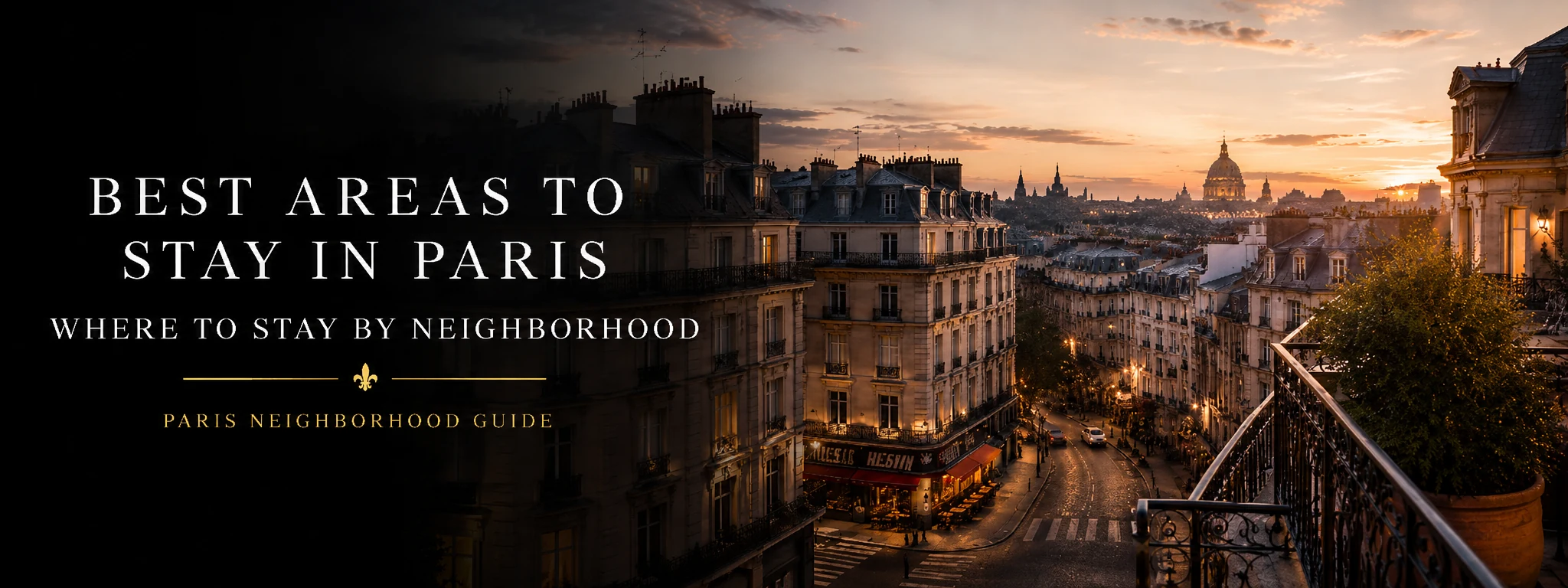
Introduction
Choosing a hotel in Paris is often presented as a question of comfort, price or star rating. Booking websites encourage travellers to compare room sizes, breakfast options, cancellation policies and guest reviews, creating the impression that these are the factors that will determine whether a stay is successful. While all of these elements certainly matter, they are rarely what visitors remember once they return home. Long after the holiday has ended, very few people can recall the colour of the carpet in their room or whether the breakfast buffet offered ten different pastries. What they remember is the atmosphere outside the hotel, the cafés where they stopped each morning, the streets they walked through every evening and how easily they were able to enjoy the city without constantly thinking about transport.
That is why we have always believed that choosing the right neighbourhood is even more important than choosing the right hotel.
Over the years, we have welcomed visitors from every corner of the world, and one conversation comes up again and again. Many travellers proudly tell us that they found a luxury hotel at an excellent price, only to discover after arriving that they spend nearly two hours every day travelling back and forth to the places they actually wanted to visit. Others choose a simple three-star hotel in the heart of Saint-Germain-des-Prés or near the Eiffel Tower and later describe their stay as unforgettable, not because the hotel itself was extraordinary, but because Paris seemed to begin the moment they stepped outside the front door.
This is one of the greatest differences between Paris and many other major cities.
The experience is not limited to the monuments.
It is found in the streets that connect them.
Read More
A short walk to a museum may become the highlight of your morning because you pass an open-air market, discover a small bakery or stop for coffee on a quiet terrace that was never mentioned in any guidebook. Returning to your hotel after dinner becomes a pleasure rather than another journey because the streets remain lively, beautifully illuminated and full of local life. These are the moments that transform a holiday into something memorable, and they depend far more on your neighbourhood than on the number of stars displayed above the hotel entrance.
It is also important to understand that there is no single “best” area for everyone. The perfect neighbourhood for a couple celebrating a honeymoon may not be the ideal choice for a family travelling with young children. A visitor coming to Paris for the first time often has very different priorities from someone returning for the fourth or fifth visit. Some travellers dream of waking up within sight of the Eiffel Tower, while others would rather spend their evenings surrounded by restaurants, bookshops and small independent boutiques. Neither choice is wrong, provided it reflects the type of experience you hope to enjoy.
Throughout this guide, we will not simply describe a list of neighbourhoods or rank the twenty arrondissements from best to worst. Paris is far too diverse for such a simplistic approach. Instead, we will explain the character of each area, the atmosphere you can expect, the type of traveller most likely to enjoy it and, just as importantly, the few limitations that are worth considering before making your reservation.
Our objective is not to help you find the most expensive hotel or the highest-rated property on a booking website.
Our objective is to help you choose the part of Paris that will feel right for you.
Because once you have chosen the right neighbourhood, everything else becomes easier. You spend less time on public transport, discover more of the city on foot, enjoy your evenings without worrying about the journey back to the hotel and experience Paris at a much more natural pace. In our experience, that single decision has a greater influence on the quality of a stay than almost any other choice you will make while planning your trip.
Many travellers begin looking for a hotel by comparing prices, star ratings or guest reviews, believing these are the most reliable indicators of a successful stay. Although these factors are certainly important, they rarely determine how much you will actually enjoy Paris. The neighbourhood surrounding your hotel will influence every part of your day, from the moment you leave after breakfast until you return in the evening. It will affect how much time you spend walking, how often you need public transport, where you have dinner, how safe you feel after dark and even whether you decide to stop for an extra coffee simply because the atmosphere invites you to stay a little longer.
A great neighbourhood is therefore not necessarily the one with the greatest number of famous monuments. It is the one that allows your days to unfold naturally without constantly checking a map or planning your next journey. The best areas combine several qualities that visitors often underestimate before arriving. They offer pleasant streets where walking becomes enjoyable, a good selection of restaurants and cafés within a few minutes of the hotel, reliable public transport for longer journeys and enough activity during the evening to make returning on foot feel comfortable and enjoyable. When these elements come together, sightseeing becomes less about moving from one attraction to another and more about experiencing the city itself.
Read More
Walking is perhaps the most important characteristic of an excellent neighbourhood. Paris is one of the few major capitals where spending an entire day on foot is not only possible but often preferable. A well-located hotel allows you to discover museums, gardens, cafés, markets and historic streets without feeling that every activity requires another Metro journey. Instead of spending time underground, you experience the architecture, the neighbourhood life and the atmosphere that have made Paris one of the world’s most admired cities.
Restaurants and cafés also deserve more attention than many visitors give them when booking accommodation. Most travellers imagine themselves eating near famous monuments, yet the meals they remember most often take place close to their hotel, where they discover local bistros, neighbourhood bakeries and small cafés visited mainly by residents. Staying in an area with a lively dining scene makes every evening more relaxed because you can simply walk a few minutes instead of travelling across the city in search of dinner.
Public transport remains important, but it should support your visit rather than define it. A good neighbourhood offers easy access to the Metro or buses when needed while allowing you to spend much of the day exploring on foot. The objective is not to eliminate public transport altogether but to reduce the number of unnecessary journeys. The less time you spend changing Metro lines, the more time you have to enjoy Paris itself.
Safety and atmosphere are equally important. The most enjoyable neighbourhoods remain active throughout the day and into the evening, with cafés, restaurants and local residents creating a welcoming environment. This does not necessarily mean they are crowded or noisy. Quite the opposite. Some of the best districts combine elegance with a calm residential character, allowing visitors to enjoy peaceful mornings while still finding lively terraces and restaurants after sunset.
Finally, every traveller should remember that no neighbourhood is perfect for everyone. A family travelling with young children will often appreciate different surroundings from a couple celebrating a honeymoon or a visitor discovering Paris alone. The best neighbourhood is therefore not the one that appears most frequently on social media or in travel magazines, but the one that matches the way you intend to experience the city. Choosing that neighbourhood carefully is one of the most important decisions you will make before arriving in Paris, because it influences every day of your stay far more than the hotel itself.
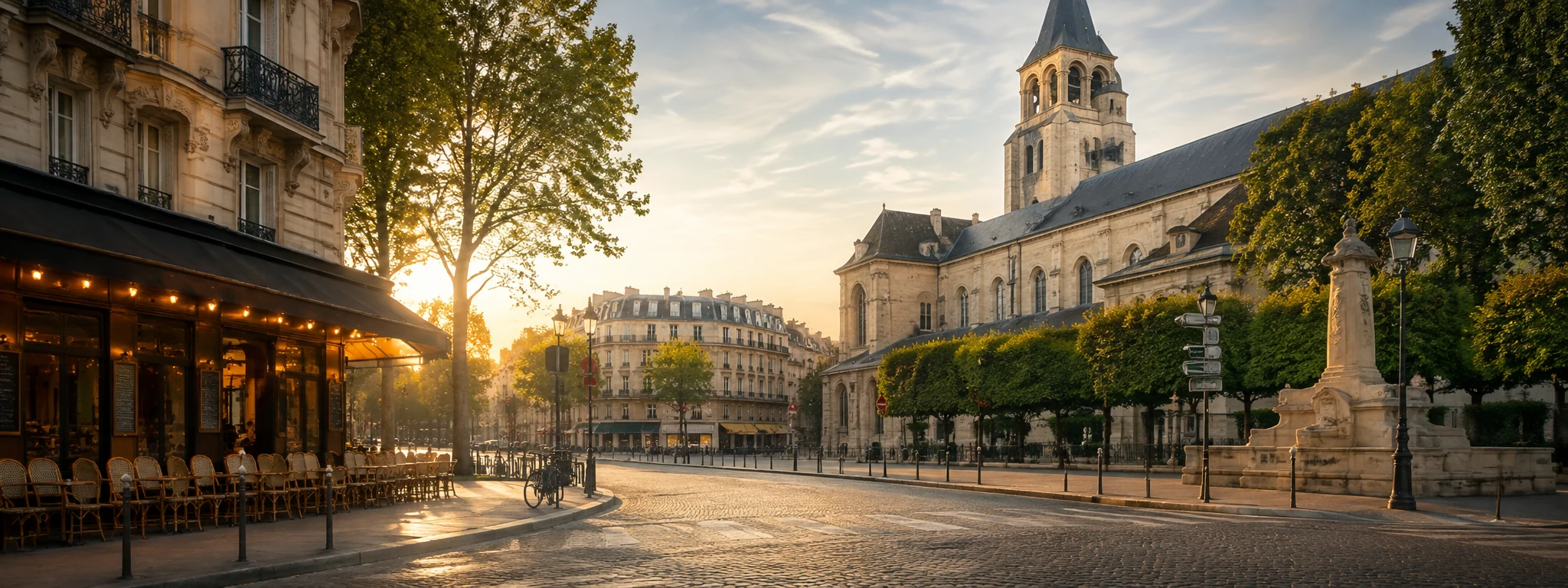
There is a reason why Saint-Germain-des-Prés appears in almost every conversation about the best places to stay in Paris. It is not simply because of its history, its elegant architecture or its famous cafés, but because very few neighbourhoods manage to combine so many qualities within such a small area. If someone asked us to recommend only one district for a first visit to Paris, this would almost certainly be our first suggestion. Not because it contains the city’s greatest number of attractions, but because it allows visitors to experience Paris in a way that feels effortless, balanced and authentic from the very first morning.
The atmosphere here is very different from that of the busy shopping streets around the Opéra or the constant crowds surrounding the Eiffel Tower. Saint-Germain-des-Prés has remained a lively neighbourhood without losing its identity. Local residents still shop in traditional bakeries, independent bookshops continue to line the streets and café terraces remain full throughout the day, creating the impression that daily Parisian life unfolds naturally around you rather than being staged for tourists. Even visitors staying only a few nights quickly feel part of the neighbourhood because everything is within easy walking distance.
One of the greatest advantages of staying here is that your sightseeing often begins without any planning. After breakfast, you can simply leave the hotel and start walking. Within a few minutes you may find yourself beside the Seine, crossing one of Paris’ historic bridges towards the Louvre, continuing to Notre-Dame Cathedral or wandering through the Latin Quarter. The Luxembourg Gardens, the Musée d’Orsay and countless small streets filled with galleries, delicatessens and cafés all lie close enough to discover naturally during the course of the day. Instead of moving from one attraction to another by Metro, your itinerary develops almost by itself as one beautiful street leads effortlessly into the next.
Read More
Evenings are equally enjoyable. Saint-Germain-des-Prés is one of those rare districts where there is no need to search for somewhere to eat. Traditional French bistros, elegant brasseries, wine bars, international restaurants and Michelin-starred establishments sit comfortably alongside small neighbourhood cafés that have welcomed generations of Parisians. Whether you are looking for a relaxed dinner after a day of sightseeing or celebrating a special occasion, the neighbourhood offers remarkable variety without requiring another journey across the city. Afterwards, walking back to the hotel through lively, well-lit streets often becomes one of the most memorable moments of the day.
Public transport is excellent, but many visitors are surprised by how little they actually use it. Several Metro stations serve the area, making it easy to reach Montmartre, the Champs-Élysées or the Eiffel Tower whenever necessary. Yet because so many major attractions are already within walking distance, public transport often becomes a convenience rather than a necessity. This is one of the principal reasons why we recommend Saint-Germain-des-Prés so frequently to first-time visitors. Spending less time underground means spending more time discovering the city itself.
The neighbourhood is particularly well suited to couples, first-time visitors, senior travellers and anyone who enjoys walking. Families also appreciate its calm atmosphere, numerous cafés and relatively flat streets compared with some other parts of Paris. Luxury travellers will find some of the city’s finest boutique hotels, while visitors choosing more modest accommodation still benefit from exactly the same exceptional location. Whatever your budget, the greatest luxury here is not necessarily the hotel itself, but the ability to experience Paris naturally from the moment you step outside.
Like every popular neighbourhood, Saint-Germain-des-Prés also has a few disadvantages. Hotel prices are generally higher than in less central districts, particularly during spring, summer and the Christmas season. Rooms in historic buildings are sometimes smaller than visitors expect, and the most sought-after hotels are often fully booked several months in advance. Restaurants around the busiest streets can become lively in the evening, although the atmosphere remains elegant rather than noisy. For most travellers, however, these are relatively small compromises when compared with the advantages offered by the location.
If your objective is to discover Paris at a relaxed pace, spend less time using public transport and more time enjoying the city’s cafés, museums, architecture and neighbourhood life, it is difficult to recommend a better place to stay. Saint-Germain-des-Prés represents the Paris that many visitors imagine long before they arrive: elegant without feeling formal, lively without becoming overwhelming, historic without appearing frozen in time. It is a neighbourhood that encourages you to slow down, to walk without a destination and to understand why so many people leave Paris already planning their next visit.
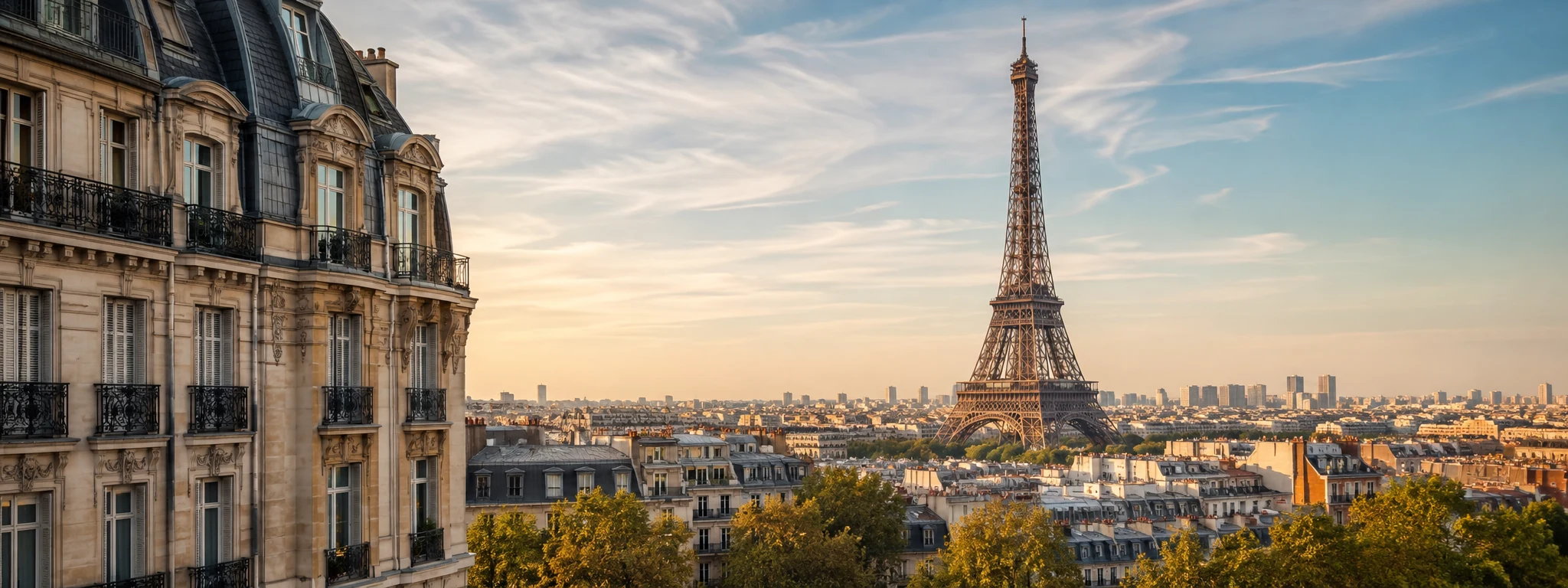
For many travellers, visiting Paris has been a lifelong dream, and that dream often begins with a single image: the Eiffel Tower rising above the rooftops of one of the world’s most beautiful cities. It is therefore perfectly understandable that many visitors immediately start looking for a hotel nearby. While choosing accommodation solely because it is close to a famous monument is not always the best strategy, the 7th arrondissement is one of the rare exceptions where the monument and the neighbourhood complement each other perfectly. Staying here is not simply about admiring the Eiffel Tower every day; it is about enjoying one of the most elegant, practical and pleasant districts in Paris, where sightseeing naturally blends with everyday Parisian life.
The 7th arrondissement has long been considered one of the finest places to stay in Paris, and it is no coincidence that it is also one of the neighborhoods most frequently recommended by Rick Steves in his travel guides. This part of the city offers exactly what many first-time visitors hope to find: elegant streets, a relaxed atmosphere, excellent restaurants, beautiful local markets and easy access to many of Paris’ most famous landmarks. Rather than spending valuable time travelling across the city, visitors can simply leave their hotel and begin exploring on foot, discovering museums, cafés, gardens and historic streets at a comfortable pace. After welcoming international travellers for more than twenty years, we have reached the same conclusion. Few neighborhoods combine convenience, charm and quality of life as successfully as the 7th arrondissement, making it one of the safest recommendations for anyone visiting Paris for the first time.
Unlike some of the busier tourist districts, the 7th arrondissement has managed to preserve a calm, residential atmosphere despite its international reputation. Many embassies, ministries and prestigious institutions are located here, giving the area a refined character that visitors notice almost immediately. Wide boulevards, immaculate streets and elegant Haussmann buildings create an impression of space and tranquillity that is surprisingly rare in the centre of a major European capital. Even during the busiest months of the year, the neighbourhood rarely feels overwhelming, allowing visitors to enjoy Paris at a slower and more relaxed pace.
Read More
One of the greatest pleasures of staying here is that the Eiffel Tower becomes part of your daily surroundings rather than a destination visited once before moving on to the next attraction. Early in the morning, before the crowds arrive, a short walk towards the Champ de Mars or the Trocadéro offers some of the most beautiful views in the city. Later in the evening, after dinner, you can admire the illuminated tower as you stroll back to your hotel, experiencing a side of Paris that many day visitors never have the opportunity to enjoy. Seeing the Eiffel Tower under different light conditions, rather than during a single hurried visit, often becomes one of the highlights of an entire stay.
The neighbourhood also offers much more than its most famous landmark. Rue Cler, one of Paris’ best-known market streets, perfectly illustrates why the 7th arrondissement remains such a favourite among visitors. Traditional bakeries, artisan cheese shops, fruit and vegetable stalls, wine merchants, cafés and small delicatessens create a lively atmosphere from early morning until late afternoon. Buying fresh pastries for breakfast or selecting a few local products for a picnic in the Champ de Mars quickly becomes part of everyday life. Unlike the heavily commercialised streets surrounding some monuments, Rue Cler has retained much of its authentic Parisian character and continues to be frequented by local residents as much as by visitors.
Culture enthusiasts will also find themselves exceptionally well located. Les Invalides, with Napoleon’s Tomb and one of France’s finest military museums, lies only a short walk away. The magnificent Rodin Museum, whose sculpture garden is among the most beautiful in Paris, is equally close. Crossing the Seine naturally leads towards the Musée d’Orsay, the Place de la Concorde and eventually the Louvre. Entire days can easily be spent exploring this part of the city without ever entering the Metro, something that many first-time visitors greatly appreciate once they realise how enjoyable Paris is on foot.
Families often discover that the 7th arrondissement is far more practical than they expected. The wide pavements make walking with children considerably easier, while the Champ de Mars provides one of the largest green spaces in central Paris where children can play or simply take a break between sightseeing visits. Restaurants generally offer a relaxed atmosphere, and because the neighbourhood is less crowded than many other tourist districts, moving around with strollers or young children tends to be much less stressful. Couples, meanwhile, are drawn to the romantic atmosphere created by elegant streets, charming cafés and evening walks along the Seine with the Eiffel Tower sparkling in the background.
Accommodation in the 7th arrondissement reflects the character of the neighbourhood itself. Rather than large modern hotel complexes, visitors will mostly find charming boutique hotels occupying traditional Parisian buildings, alongside a selection of luxury establishments offering exceptional service. Even smaller three- and four-star hotels benefit from one of the city’s finest locations, allowing guests to enjoy the same remarkable surroundings regardless of their budget. This is one of the reasons why the district appeals to such a wide variety of travellers.
Naturally, popularity comes at a price. Hotels in the 7th arrondissement are generally more expensive than those located in less central areas, particularly during spring, summer and the Christmas season. Accommodation should ideally be booked several months in advance if you hope to stay in one of the neighbourhood’s most sought-after properties. Restaurants immediately surrounding the Eiffel Tower also tend to charge higher prices than those located just a few streets away. Fortunately, exploring a little farther from the monument quickly reveals excellent neighbourhood bistros and cafés where the quality remains high while prices become considerably more reasonable.
If your vision of Paris includes elegant architecture, peaceful streets, excellent food, beautiful parks, world-class museums and unforgettable views of the Eiffel Tower, few neighbourhoods are likely to match your expectations better than the 7th arrondissement. It combines many of the qualities first-time visitors hope to find while avoiding many of the inconveniences associated with more crowded tourist districts. More than simply a place to stay, it offers an opportunity to experience Paris in a way that feels relaxed, authentic and remarkably easy from the moment you leave your hotel each morning.
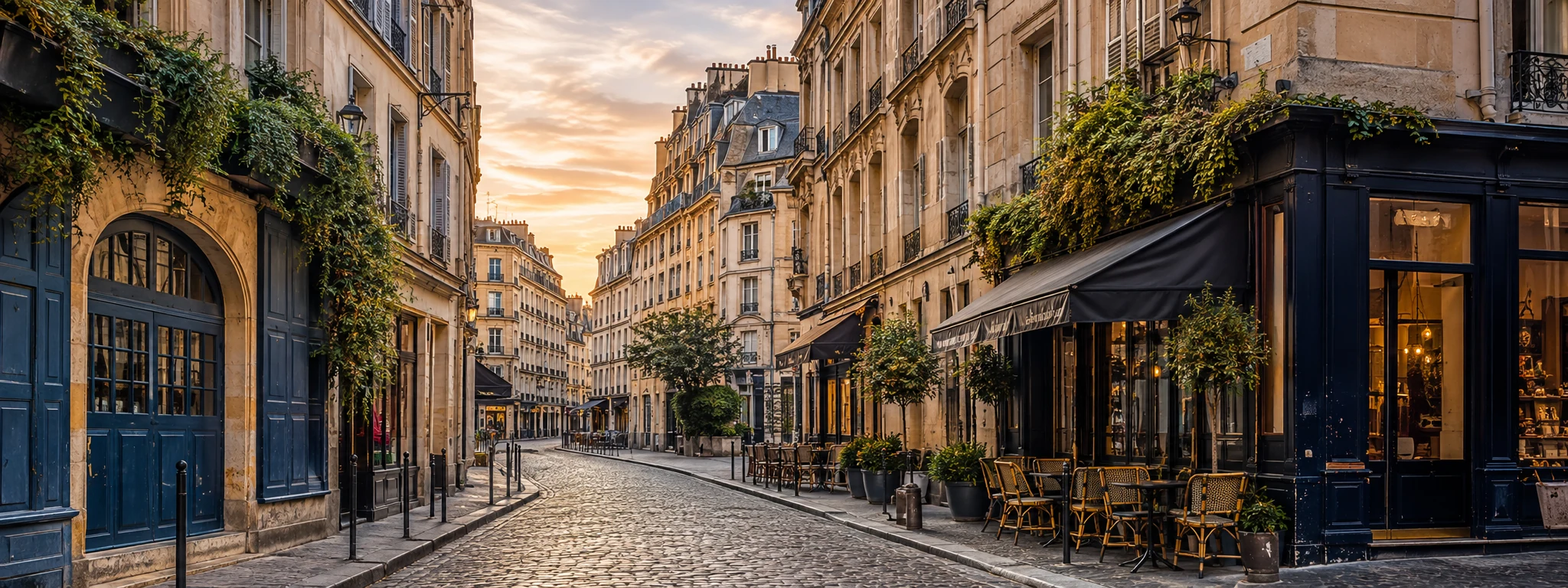
If Saint-Germain-des-Prés represents the elegant and literary side of Paris, Le Marais reveals a completely different personality. Vibrant, creative and constantly evolving, this historic district has become one of the city’s most popular neighbourhoods without losing the character that first made it special. Walking through Le Marais is very different from strolling along the grand boulevards of the 7th arrondissement. Here, narrow medieval streets suddenly open onto beautiful hidden courtyards, centuries-old mansions stand beside contemporary art galleries, and fashionable boutiques share the same blocks as traditional bakeries and family-owned cafés. It is a neighbourhood where history and modern Paris exist side by side, creating an atmosphere unlike anywhere else in the city.
One of the reasons Le Marais attracts so many visitors is that it offers an extraordinary variety of experiences within a relatively compact area. During the morning, the streets remain calm enough to enjoy breakfast on a terrace before browsing independent bookshops or designer boutiques. By lunchtime, cafés and restaurants begin filling with both local residents and visitors, while the afternoon brings a lively energy as shoppers, museum lovers and photographers explore the neighbourhood. In the evening, the district transforms once again, with wine bars, restaurants and small squares creating an atmosphere that remains animated long after many other parts of Paris have become quiet.
For first-time visitors, Le Marais offers an excellent location from which to discover much of central Paris on foot. Notre-Dame Cathedral is only a short walk away, the Seine is never far, and the Louvre can easily be reached without using public transport. The famous Place des Vosges, often considered one of the most beautiful squares in Paris, provides a peaceful contrast to the busy shopping streets surrounding it. Simply wandering without a destination often becomes the most rewarding way to discover the district, because many of its greatest treasures are found unexpectedly rather than following a carefully planned itinerary.
Read More
Shopping is another reason why Le Marais enjoys such an outstanding reputation. Unlike the luxury boutiques of Avenue Montaigne or the large department stores near Opéra, the neighbourhood specialises in independent fashion, concept stores, home décor, artisan workshops and small designer labels. Visitors looking for something unique rather than internationally recognised luxury brands often find themselves spending much longer here than they originally intended. Even travellers with no interest in shopping generally enjoy exploring the streets because every corner seems to reveal another interesting storefront or beautifully restored historic building.
The restaurant scene is equally impressive. Le Marais is one of the most diverse dining districts in Paris, offering everything from traditional French bistros to excellent Italian, Middle Eastern, Japanese and contemporary international cuisine. It is also one of the city’s best areas for casual lunches, pastries and excellent falafel, reflecting the neighbourhood’s rich cultural history. Food lovers rarely struggle to find somewhere appealing, regardless of their budget or culinary preferences.
Public transport is readily available, although many visitors discover they use it less than expected. Several Metro stations surround the district, making it easy to reach almost every part of Paris. Nevertheless, much of Le Marais is best appreciated on foot. The streets are relatively short, traffic is limited in many areas, and every walk offers another opportunity to discover hidden architecture, local boutiques or charming cafés that are easily overlooked when travelling underground.
Le Marais appeals particularly to couples, younger travellers, food lovers, shoppers and visitors returning to Paris for a second or third stay. Its lively atmosphere, beautiful architecture and remarkable restaurant scene create a neighbourhood full of energy without becoming overwhelming. Families also enjoy the district, particularly around Place des Vosges, although the narrower streets and larger crowds during weekends require a little more patience than in quieter residential areas.
Like every neighbourhood in Paris, Le Marais also has a few limitations that should be considered before making your reservation. Although it enjoys a central location, it is not the most practical base for every itinerary. If your priority is spending several days around the Eiffel Tower, Champ de Mars, Les Invalides, the Champs-Élysées or Trocadéro, you should expect to use the Metro or bus regularly, as these attractions are located on the opposite side of the city. The journeys are straightforward and well connected by public transport, but unlike visitors staying in the 7th arrondissement, you will not simply walk to these landmarks every morning.
The same applies to travellers planning excursions to Versailles, Giverny or other destinations on the western side of Paris. While connections are generally excellent, they often require one or more changes, making the journey slightly longer than from neighbourhoods closer to those departure points. This is particularly worth considering if you intend to join one of our small-group tours with hotel pickup. Most of our guided tours depart from the western side of Paris, where the majority of our hotel pickups are organised. Guests staying in Le Marais are, of course, always welcome to join our tours, but depending on the itinerary, a nearby meeting point may sometimes be more practical than hotel pickup. If guided excursions are an important part of your stay, choosing accommodation closer to the western districts of Paris can make the beginning of your day both easier and more comfortable.
The atmosphere itself may also not suit every traveller. One of Le Marais’ greatest strengths is its lively character, yet this is also one of its few disadvantages. During weekends, public holidays and throughout the summer, many streets become extremely busy with shoppers, visitors and people enjoying the cafés and restaurants. Those looking for a quieter, more residential atmosphere may feel more comfortable in Saint-Germain-des-Prés or the 7th arrondissement, where evenings tend to be calmer and pedestrian traffic less intense.
Accommodation reflects the age and history of the neighbourhood. Many hotels occupy beautiful historic buildings full of charm and character, but these properties often offer smaller rooms than visitors expect. Some older buildings have narrow staircases, limited lift access or no lift at all, and modern facilities can vary from one hotel to another. These characteristics are part of the authentic charm of Le Marais, but they may not suit travellers who value spacious rooms or maximum comfort above everything else.
Despite these few limitations, Le Marais remains one of the finest places to stay in Paris for visitors who enjoy lively streets, outstanding restaurants, independent shopping and a neighbourhood full of history and personality. It offers a completely different experience from Saint-Germain-des-Prés or the 7th arrondissement, yet shares the same essential quality that defines the city’s best districts: the freedom to leave your hotel, start walking and allow Paris to reveal itself naturally. For many travellers, those unexpected discoveries become the memories they treasure most long after returning home.
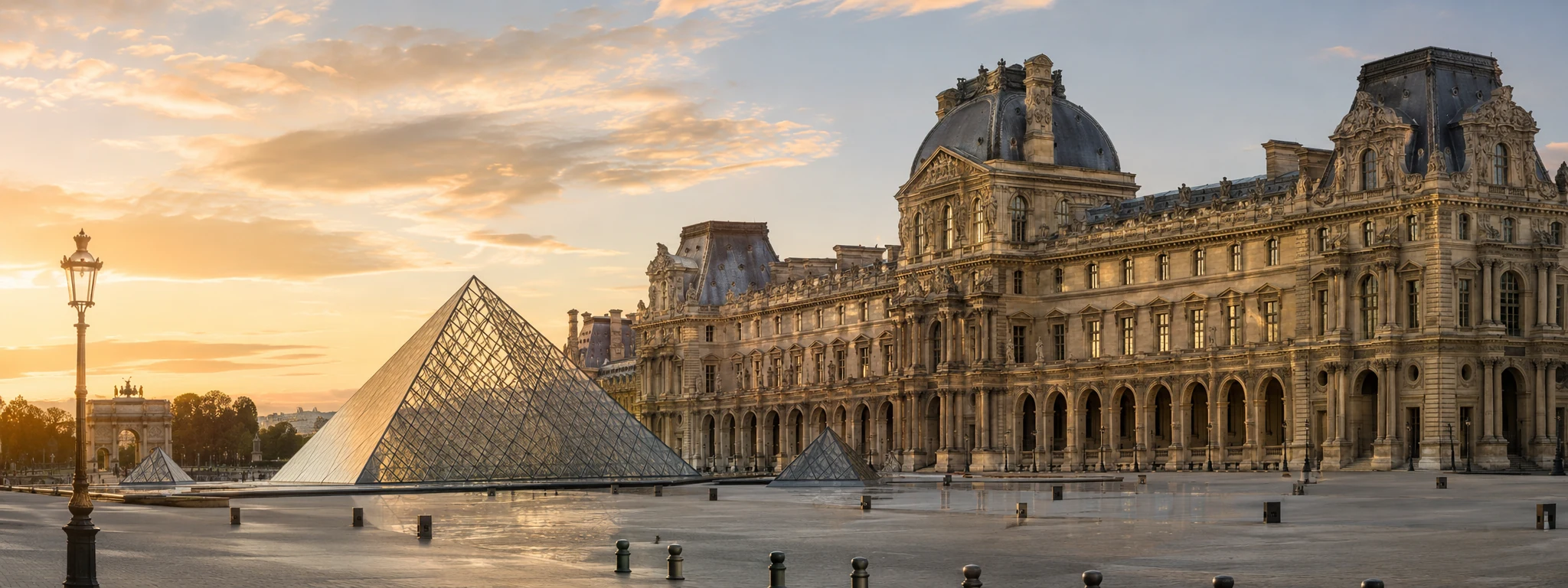
If your idea of the perfect stay in Paris is being surrounded by world-famous landmarks while remaining within easy walking distance of many of the city’s most important museums, gardens and shopping streets, the 1st arrondissementdeserves serious consideration. As the historical heart of Paris, this district offers one of the most central locations in the entire city. Staying here means waking up just a few minutes from the Louvre Museum, strolling through the Tuileries Garden before breakfast or reaching the banks of the Seine without ever thinking about public transport. Few neighbourhoods allow visitors to experience so many of Paris’ iconic places simply by opening the hotel door and beginning to walk.
The Louvre naturally dominates the district, but reducing the area to its famous museum would be a mistake. This part of Paris is filled with elegant streets, beautiful squares and historic buildings that have shaped the city’s history for centuries. The Palais Royal, with its peaceful gardens and arcades, provides a welcome escape from the crowds, while Place Vendôme showcases some of the world’s finest luxury jewellers and fashion houses. Just beyond, Rue Saint-Honoré attracts visitors interested in designer boutiques, while Les Halles offers a completely different atmosphere with modern shopping, restaurants and lively public spaces. Few neighbourhoods offer such variety within such a compact area.
One of the greatest advantages of staying in the 1st arrondissement is the amount of sightseeing that can be done entirely on foot. The Louvre, Musée de l’Orangerie, Tuileries Garden, Place de la Concorde, the Seine, Notre-Dame Cathedral and even Saint-Germain-des-Prés are all within comfortable walking distance. Visitors who enjoy discovering cities on foot often realise they can spend several days exploring central Paris while using the Metro only occasionally. This not only saves time but also allows a much deeper appreciation of the city’s architecture, cafés and everyday atmosphere.
Read More
The location also makes travelling to other parts of Paris particularly easy. Several Metro and RER stations serve the district, providing excellent connections to Montmartre, the Eiffel Tower, the Champs-Élysées and the Latin Quarter whenever needed. Whether your plans involve museums, shopping or guided tours, the 1st arrondissement provides one of the most convenient starting points in the capital.
For visitors planning to join one of our small-group tours, this neighbourhood is also particularly practical. Thanks to its central location and its easy access to the western side of Paris, hotel pickup is generally straightforward for many of our excursions, including Versailles, Giverny and other day trips. Guests staying here usually benefit from short transfer times before leaving Paris, allowing more time to enjoy the destination itself.
The 1st arrondissement is especially well suited to first-time visitors who wish to maximise their sightseeing time, culture enthusiasts planning several museum visits and travellers who appreciate elegant surroundings combined with excellent transport connections. Luxury travellers will find some of Paris’ finest hotels, while visitors choosing more modest accommodation still benefit from one of the city’s most prestigious locations.
There are, however, a few aspects worth considering before booking your hotel. Because this is one of the most visited districts in Paris, certain streets around the Louvre and Rue de Rivoli become extremely busy during the middle of the day, particularly in spring and summer. The atmosphere changes considerably once the museums close, becoming quieter than neighbourhoods such as Saint-Germain-des-Prés or Le Marais, where cafés and restaurants remain lively until much later in the evening. Travellers looking for a vibrant nightlife may therefore find other districts more appealing.
Hotel prices are naturally among the highest in Paris, reflecting the exceptional location. Historic buildings also mean that rooms are sometimes smaller than visitors expect, particularly in boutique hotels occupying older properties. Finding spacious family rooms can be more challenging than in some newer districts, and booking well in advance is strongly recommended, especially during peak tourist seasons.
For visitors whose priority is to discover Paris’ greatest museums, monuments and historic streets with as little travelling as possible, few neighbourhoods can rival the 1st arrondissement. It offers an extraordinary combination of history, elegance and convenience, allowing visitors to experience many of the city’s greatest treasures entirely on foot. If your ideal holiday begins with opening the curtains and finding yourself in the very heart of historic Paris, this district is likely to exceed your expectations.
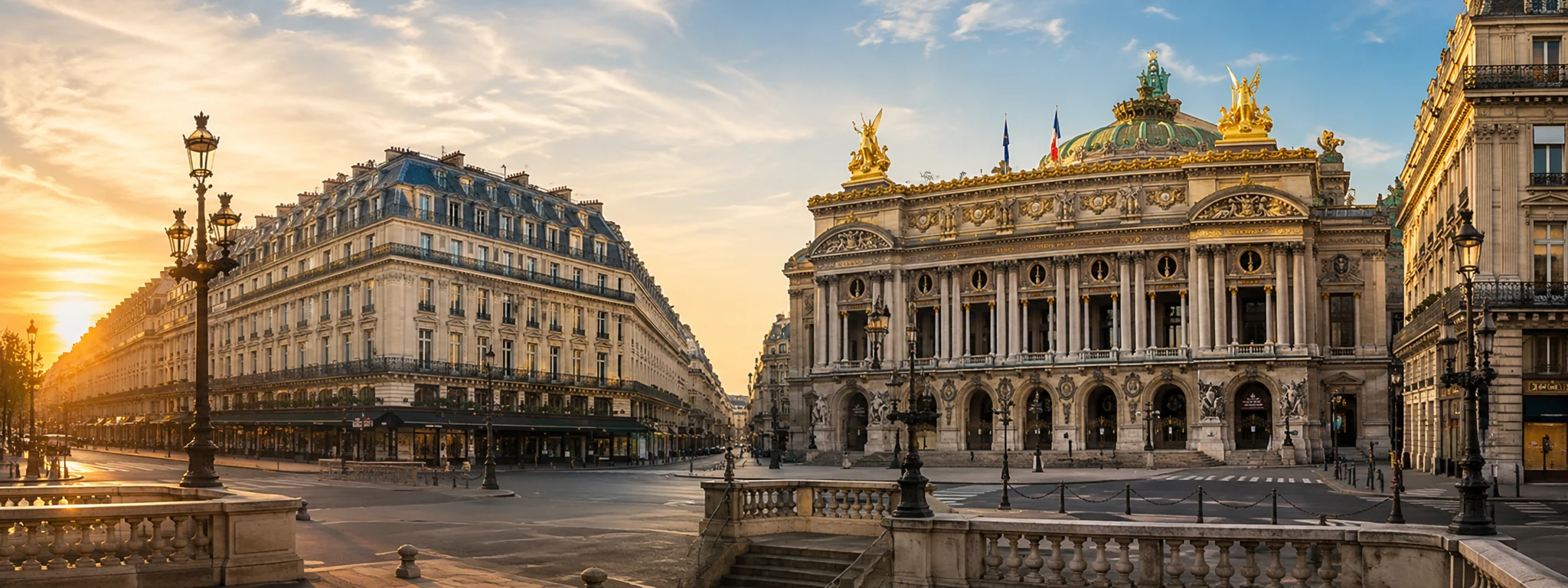
For travellers looking for the perfect balance between sightseeing, shopping, restaurants and excellent transport connections, the 9th arrondissement is often one of the smartest choices in Paris. While it may not enjoy the international fame of Saint-Germain-des-Prés or the Eiffel Tower district, it consistently surprises visitors with how practical and enjoyable it is as a place to stay. This is a neighbourhood where Paris feels energetic without becoming overwhelming, elegant without being excessively formal, and lively from morning until late in the evening.
The magnificent Palais Garnier, one of the world’s most beautiful opera houses, naturally dominates the district and gives the neighbourhood much of its identity. Surrounding it are elegant Haussmann boulevards lined with cafés, theatres, traditional brasseries and some of the largest department stores in Europe. Visitors quickly realise that almost everything they need is within walking distance. Whether you are looking for breakfast, shopping, a museum, a concert or simply a pleasant terrace to watch Parisian life unfold, the 9th arrondissement offers remarkable variety without requiring long journeys across the city.
One of the district’s greatest strengths is its central position. From Opéra, visitors can comfortably walk to the Louvre, Place Vendôme, the Tuileries Garden, Place de la Concorde and even the Champs-Élysées. Montmartre is also close enough to reach on foot for those who enjoy walking, while excellent Metro and RER connections make every other part of Paris easily accessible. This flexibility explains why so many experienced travellers choose the 9th arrondissement. It allows them to adapt their plans each day without feeling restricted by transport.
Shopping enthusiasts will probably find no better location. The famous Galeries Lafayette and Printemps department stores attract visitors from around the world, offering everything from luxury fashion and cosmetics to gourmet food and panoramic rooftop views over Paris. Smaller boutiques, speciality shops and historic covered passages complete the experience, making the neighbourhood one of the city’s most important shopping destinations. Even travellers with little interest in fashion usually enjoy wandering through the magnificent architecture of these historic stores.
Read More
The restaurant scene is equally diverse. Traditional Parisian cafés stand alongside modern bistros, international restaurants and elegant brasseries serving everything from quick lunches to refined evening meals. Because the district welcomes both local office workers and international visitors, there is an excellent choice for almost every budget. Unlike some purely tourist areas, many restaurants remain popular with Parisians themselves, helping the neighbourhood retain a genuine local atmosphere.
Another major advantage of the 9th arrondissement is its exceptional public transport network. Several Metro lines intersect here, together with the RER and numerous bus routes, making it one of the easiest districts from which to explore the rest of the capital. Visitors planning several different activities each day often appreciate this flexibility, particularly if their itinerary includes museums, shopping, evening performances or day trips outside Paris.
This location is also particularly convenient for guests joining one of our small-group tours. Thanks to its proximity to the western districts of Paris and its excellent transport connections, hotel pickup is available from many hotels in the area, allowing visitors to join our Versailles, Giverny and other guided excursions with minimal travelling before departure. For travellers combining independent sightseeing with organised day tours, the 9th arrondissement offers an excellent balance between convenience and accessibility.
Despite its many advantages, the neighbourhood is not without a few limitations. Because it is one of Paris’ busiest commercial districts, the area around the department stores becomes particularly crowded during afternoons, weekends and the Christmas shopping season. Traffic can also be heavier than in more residential neighbourhoods, and some streets remain lively until late in the evening. Visitors seeking a quieter, village-like atmosphere may feel more comfortable in Saint-Germain-des-Prés or the 7th arrondissement.
Hotels vary considerably, ranging from elegant boutique properties to large international chains. While this diversity offers accommodation for almost every budget, room sizes in older buildings can still be relatively compact, and prices increase significantly during major events, fashion weeks and holiday periods. Booking several months in advance is often advisable if you wish to stay in one of the district’s most popular hotels.
For first-time visitors who want to combine sightseeing, shopping, dining and excellent transport in one convenient location, the 9th arrondissement represents one of the most balanced choices in Paris. It may not have the quiet elegance of Saint-Germain-des-Prés or the iconic views of the Eiffel Tower district, but it offers something equally valuable: the freedom to experience many different sides of Paris without spending your holiday travelling from one end of the city to the other. It is a lively, practical and remarkably well-connected neighbourhood that continues to appeal to visitors returning to Paris year after year.
One of the questions we are asked most often is, “What is the best area to stay in Paris?” The honest answer is that there is no single neighbourhood that suits everyone. The best location depends on the type of trip you are planning, the places you hope to visit and the atmosphere you would like to experience during your stay. A couple celebrating a honeymoon will naturally have different priorities from a family travelling with children, while someone visiting Paris for the first time may look for convenience rather than nightlife or shopping.
Rather than choosing the most famous neighbourhood, we recommend selecting the one that best matches the way you intend to explore the city. After welcoming international visitors for more than twenty years, these are the recommendations we most frequently make.
| If you are… | We Recommend | Why |
| First-time visitor | Saint-Germain-des-Prés (6th) | The best overall balance of central location, restaurants, museums, cafés and walkability. Many major attractions can be reached on foot, making it an excellent introduction to Paris. |
| Looking for Eiffel Tower views | 7th Arrondissement | Elegant, safe and peaceful, with the Eiffel Tower, Rue Cler, Les Invalides and the Champ de Mars all nearby. Perfect for visitors who want to experience the classic image of Paris. |
| Shopping lovers | 9th Arrondissement (Opéra) | Home to Galeries Lafayette, Printemps and countless boutiques, while remaining well connected to the rest of the city. |
| Food lovers | Le Marais | One of Paris’ finest neighbourhoods for cafés, bakeries, wine bars and international restaurants, with a lively atmosphere throughout the day and evening. |
| Museum enthusiasts | 1st Arrondissement | The Louvre, Palais Royal, Musée de l’Orangerie and many other cultural attractions are within walking distance. |
| Luxury travellers | 7th or 8th Arrondissement | Home to many of Paris’ finest hotels, elegant avenues, luxury boutiques and exceptional restaurants. |
| Families | 7th Arrondissement | Wide pavements, quieter streets, parks and excellent access to major attractions make it particularly comfortable for families with children. |
| Couples | Saint-Germain-des-Prés | Romantic cafés, beautiful streets, the Seine and countless restaurants create one of the most charming atmospheres in Paris. |
| Senior travellers | Saint-Germain-des-Prés or the 7th Arrondissement | Both neighbourhoods allow extensive sightseeing on foot while reducing the need for frequent Metro journeys. |
| Visitors joining our guided tours | 7th, 8th, 16th or 17th Arrondissements | Most of our hotel pickups for Versailles, Giverny and other small-group tours take place in western Paris, making these areas especially convenient. Guests staying elsewhere may sometimes be offered a nearby meeting point depending on the tour. |
Read More
Although each neighbourhood has its own personality, one recommendation remains remarkably consistent. If this is your first visit to Paris, choosing accommodation in Saint-Germain-des-Prés or the 7th arrondissement will usually provide the most balanced experience. Both neighbourhoods allow visitors to spend more time walking, less time using public transport and more time enjoying the cafés, museums and atmosphere that make Paris such a memorable destination.
Visitors returning for a second or third trip often make different choices. By then, the famous monuments have already been seen, and the priority becomes discovering local restaurants, quieter streets or neighbourhoods with a stronger residential character. That is where districts such as Le Marais or Opéra become particularly attractive.
Ultimately, there is no perfect neighbourhood for everyone. There is only the neighbourhood that best matches yourtravel style. Taking a few extra minutes to think about how you want to experience Paris will almost always have a greater impact on your holiday than choosing between two hotels with similar ratings.
One of the questions we are frequently asked is whether there are neighbourhoods in Paris that should be avoided. The answer is more nuanced than many visitors expect. Paris is a large capital with twenty very different arrondissements, each offering its own atmosphere, history and character. Very few areas should be considered “bad” places to stay, and we would never describe an entire neighbourhood that way. However, there are districts that may simply be less practical for a first visit, especially if your goal is to discover the city’s most famous landmarks within a limited number of days.
Many first-time visitors naturally imagine themselves spending most of their time around the Eiffel Tower, the Louvre, Notre-Dame Cathedral, Montmartre or the Champs-Élysées. Choosing accommodation far from these areas often means spending considerably more time using public transport every day. Although Paris has an excellent Metro network, travelling forty-five minutes each morning and again each evening quickly reduces the amount of time available for sightseeing. The money saved on accommodation does not always compensate for the additional travelling and the loss of flexibility throughout the day.
The La Défense business district is a good example. Modern hotels are often spacious, comfortable and competitively priced, making them attractive at first glance. The district itself is impressive, with contemporary architecture, shopping centres and excellent transport connections. For business travellers, it is one of the best places to stay in the Paris region. For tourists, however, it offers a very different experience from the historic Paris that most visitors expect. Every sightseeing day begins with a journey into the city centre before the visit itself can even start. If this is your first time in Paris, staying in one of the historic central neighbourhoods will almost certainly provide a more rewarding experience.
Read More
The same observation applies to several districts located around the outer edges of Paris. Areas close to Porte de la Villette, Porte de Bagnolet, Porte d’Italie or Bercy often offer attractive hotel prices, particularly for international chains with larger rooms. These hotels are not necessarily poor choices, but they are better suited to visitors travelling by car, attending exhibitions, concerts or business meetings rather than those hoping to spend every day exploring the historic centre on foot.
Some travellers also choose accommodation near major railway stations such as Gare du Nord, Gare de l’Est or Gare de Lyon because they believe this will make arriving and departing easier. If your itinerary includes an early morning train or only one night in Paris before continuing your journey, this can indeed be practical. For a holiday of several days, however, staying near a station rarely offers the same atmosphere as neighbourhoods such as Saint-Germain-des-Prés, the 7th arrondissement or Le Marais. Railway stations are designed for transport rather than sightseeing, and although many surrounding areas are perfectly safe, they generally lack the charm, cafés and relaxed environment that most visitors hope to enjoy during their stay.
This is also an important point for guests planning to join one of our small-group tours. Most of our hotel pickups are organised in the western districts of Paris, where many visitors stay while exploring the city’s main attractions. Choosing accommodation in neighbourhoods such as the 6th, 7th, 8th, 16th or 17th arrondissement usually makes hotel pickup simpler and reduces the amount of time spent collecting guests before the tour begins. Visitors staying farther east are always welcome to join our excursions, but depending on the itinerary, a nearby meeting point may sometimes be more practical than hotel pickup. Considering this before booking your accommodation can make your sightseeing days considerably more comfortable.
Our recommendation is therefore very simple. If this is your first visit to Paris, avoid choosing a hotel based only on price. Saving a small amount each night may seem attractive when comparing hotels online, but the additional travelling, the reliance on public transport and the reduced flexibility often outweigh the financial advantage. A well-located hotel allows you to enjoy Paris from the moment you leave your room each morning, making it much easier to experience the cafés, museums, gardens and neighbourhood life that define the city.
Once you have already visited Paris and become familiar with its transport system, these outer districts become much easier to appreciate. Returning visitors often enjoy discovering quieter residential neighbourhoods that first-time tourists would never consider. For a first stay, however, choosing one of the central neighbourhoods recommended in this guide remains, in our experience, the decision that most consistently leads to a smoother, more enjoyable and far less stressful visit.
After welcoming international visitors for more than twenty years, we have learned that choosing the right neighborhood is rarely about finding the most famous address or the most luxurious hotel. The best location is the one that allows you to enjoy Paris naturally, without spending a large part of your holiday travelling from one attraction to another. Every visitor has different expectations, but one principle remains remarkably consistent: the easier it is to walk, the richer your experience usually becomes.
For a first visit, our recommendation is clear. Saint-Germain-des-Prés remains the most balanced choice for the majority of travellers. It offers an exceptional combination of beautiful streets, cafés, restaurants, museums and easy access to many of Paris’ most famous landmarks. You can spend entire days exploring on foot, enjoying the atmosphere of the city instead of constantly checking Metro maps or transport schedules. It is the neighborhood we recommend most often because it consistently provides visitors with the type of Paris they have imagined long before arriving.
If seeing the Eiffel Tower every day has always been part of your dream, the 7th arrondissement is probably the finest alternative. Elegant, peaceful and exceptionally well maintained, it combines world-famous landmarks with a genuine residential atmosphere. Families, couples and first-time visitors often appreciate the calm streets, excellent restaurants and the opportunity to enjoy the Eiffel Tower during both the day and the evening without travelling across the city. It is also one of the most convenient locations for joining many of our small-group tours, thanks to its position within our main hotel pickup area.
Read More
Visitors whose priorities include shopping, restaurants and a lively atmosphere may feel more at home in Le Marais or the 9th arrondissement. Both districts are full of energy and offer excellent dining opportunities, while remaining well connected to the rest of Paris by public transport. They require slightly more Metro or bus journeys if your itinerary focuses heavily on the Eiffel Tower or the western side of the city, but they reward visitors with a vibrant local atmosphere that many people quickly come to love.
The 1st arrondissement remains one of the best options for travellers who want to be surrounded by history. Staying close to the Louvre, the Tuileries Garden and the Seine means many of Paris’ greatest landmarks are only a pleasant walk away. It is an ideal choice for museum lovers and anyone hoping to discover the historic heart of the capital at a relaxed pace.
Whatever neighborhood you choose, we encourage you not to make your decision based solely on the nightly room rate. A hotel that costs a little more but saves you one or two hours of travelling every day often represents far better value than a cheaper property located far from the places you actually want to visit. Time is one of the most valuable parts of any holiday, and once it has been spent on unnecessary journeys, it cannot be recovered.
If you are planning to join our guided excursions, this is another factor worth considering before making your reservation. Most of our hotel pickups are organised from the western side of Paris, including neighborhoods such as the 6th, 7th, 8th, 16th and 17th arrondissements. Visitors staying in these districts generally enjoy the convenience of direct hotel pickup, while those staying elsewhere may occasionally be asked to meet at one of our nearby meeting points, depending on the tour. Choosing a hotel within the pickup area can therefore make the beginning of your excursion even more comfortable.
Ultimately, there is no perfect neighborhood for every traveller, but there is almost always a neighborhood that perfectly matches the way you want to experience Paris. Choosing wisely at the beginning of your trip will influence every day that follows. It determines how much you walk, how often you use public transport, where you enjoy dinner, how easily you return to your hotel in the evening and, perhaps most importantly, how much of the real Paris you discover between the famous landmarks. In our experience, no other decision has such a lasting impact on the quality of a stay.
Choosing where to stay in Paris often raises many questions, especially for first-time visitors. Over the years, these are the questions we have been asked most frequently by international travellers.
What is the best area to stay in Paris for a first visit?
For most first-time visitors, we recommend Saint-Germain-des-Prés or the 7th arrondissement. Both neighborhoods offer an excellent balance between sightseeing, restaurants, safety and walkability. Many of Paris’ most famous attractions can be reached on foot, allowing you to spend less time using public transport and more time enjoying the city itself.
Is it better to stay near the Eiffel Tower?
It depends on what you expect from your trip. Staying near the Eiffel Tower is an excellent choice if seeing the monument every day is part of your dream. The 7th arrondissement is elegant, peaceful and well connected. However, if your priority is nightlife, shopping or a wider variety of restaurants, neighborhoods such as Saint-Germain-des-Prés, Le Marais or Opéra may suit you better.
Which neighborhood has the best restaurants?
Saint-Germain-des-Prés and Le Marais are among the best choices for visitors who enjoy dining out. Both offer everything from traditional Parisian cafés and classic French bistros to Michelin-starred restaurants and international cuisine.
Which area is best for shopping?
The 9th arrondissement, around Galeries Lafayette and Printemps, is one of Paris’ premier shopping districts. Luxury shoppers may also enjoy the 1st and 8th arrondissements, particularly around Place Vendôme and Avenue Montaigne.
Which neighborhood is best for families?
The 7th arrondissement is one of the best choices for families. Wide pavements, quieter streets, green spaces such as the Champ de Mars and easy access to many attractions make it particularly comfortable for parents travelling with children.
Read More
Which neighborhood is best for couples?
Many couples choose Saint-Germain-des-Prés because of its romantic atmosphere, beautiful streets, cafés and restaurants. Evening walks along the Seine and the neighborhood’s relaxed elegance create one of the most memorable experiences in Paris.
Is it worth paying more for a central hotel?
In most cases, yes. A centrally located hotel allows you to spend far less time travelling each day. The extra cost is often compensated by the convenience of walking to restaurants, museums and major attractions instead of relying on public transport several times a day.
Which neighborhood is closest to the main attractions?
The 1st arrondissement offers the most central location for visitors interested in museums and historic landmarks. The Louvre, the Tuileries Garden, the Seine and Notre-Dame are all within comfortable walking distance.
Which areas are most convenient for joining your guided tours?
If you plan to join one of our small-group tours with hotel pickup, the 6th, 7th, 8th, 16th and 17th arrondissements are generally the most convenient. Most of our hotel pickups take place on the western side of Paris, helping reduce transfer times before the tour begins. Guests staying elsewhere are always welcome to join our tours, although a nearby meeting point may sometimes be offered depending on the itinerary.
Should I choose a hotel based only on the price?
Probably not. Saving a small amount each night may appear attractive when comparing hotels online, but staying farther from the places you plan to visit often results in longer journeys, greater transport costs and less flexibility throughout your stay. Choosing the right neighborhood almost always has a greater impact on the quality of your visit than choosing the cheapest hotel.
Our Final Suggestion
If you are still undecided, choose the neighborhood that best matches the way you want to experience Paris rather than the hotel with the lowest price or the highest star rating. The right location allows you to enjoy the city naturally, discover more on foot and return home with memories of Paris itself—not of the time spent travelling across it.

CONTACT
- 18 Rue José-Maria de Heredia
75007 Paris, France
Phone: +33 9 52 06 02 59 - Office Hours: Monday–Saturday, 8:00 AM–3:00 PM (April–October)
- Contact Us

✓ Licensed French Travel Agency
✓ Licensed VTC Private Transport Operator
✓ Licensed LOTI Transport Operator
✓ Atout France Registered (IM075120025)
✓ APST Financial Guarantee
✓ Fully Insured by Hiscox
✓ Secure Online Payment
✓ Recommended by Rick Steves
