
COMPLETE GUIDE TO VISITING THE LOUVRE
PLAN YOUR VISIT
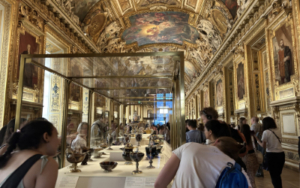
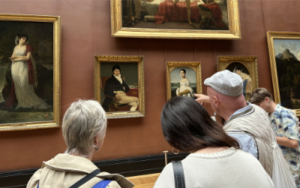
Before your first visit, it is highly recommended to plan your itinerary in advance to make the most of your time at the Louvre. As one of the world’s largest and most visited museums, the Louvre houses vast collections ranging from antiquities to celebrated European masterpieces. Preparing ahead will help you focus on the galleries, artworks, and museum areas that interest you most. Whether you are visiting for a few hours or a full day, good planning will make your experience smoother, richer, and far more enjoyable.

PARIS REGION
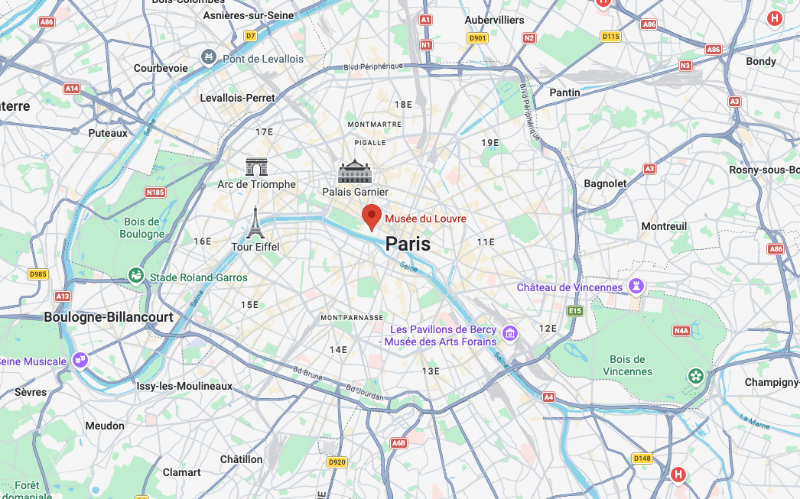
The Louvre Museum is located in the heart of Paris, in the 1st arrondissement, on the Right Bank of the Seine. It is one of the most famous museums in the world and one of the most visited cultural sites in France. The museum is surrounded by several major landmarks, including the Tuileries Garden, the Seine, Rue de Rivoli, and the Palais-Royal area.
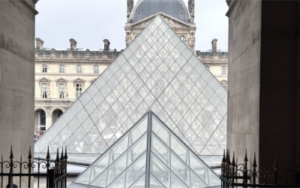
Because of its central location, the Louvre is easy to reach from most parts of Paris. It can usually be accessed in 15 to 30 minutes from many central neighborhoods, depending on the starting point and the transportation used, such as the metro, bus, taxi, or on foot. The museum complex also includes the Cour Napoléon, the Louvre Pyramid, and the underground Hall Napoléon entrance area.
Because of its size and the richness of its collections, the Louvre is often visited as a half-day or full-day museum experience in central Paris.
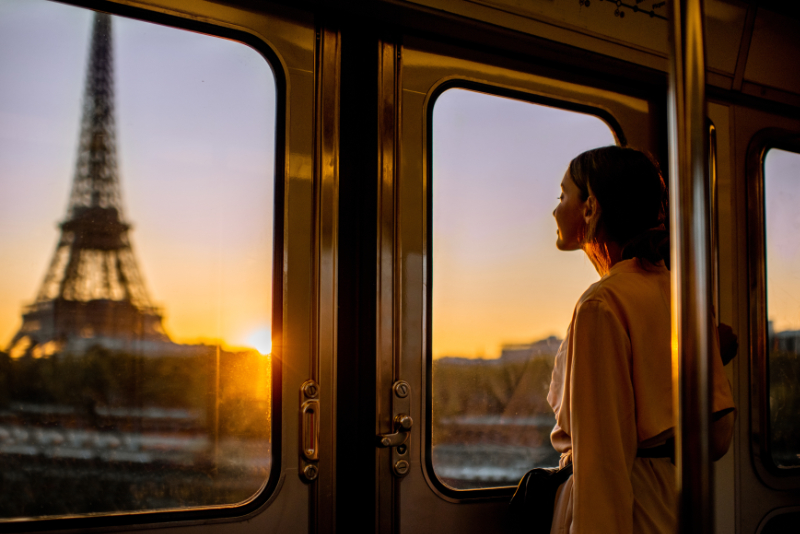
Getting to the Louvre by Metro
The Louvre is easy to reach by metro. The nearest stations are Palais-Royal / Musée du Louvre on lines 1 and 7, and Pyramides on line 14. These stations provide quick access to the museum from many areas of Paris.
Read More
TAKE THE METRO TO THE LOUVRE
The easiest way to reach the Louvre is by metro. The closest station is Palais-Royal / Musée du Louvre, served by lines 1 and 7.
The journey is usually quick from most central areas of Paris.
Several metro stations and connections make access easy, including:
Palais-Royal / Musée du Louvre
Pyramides
Tuileries
Louvre-Rivoli
ARRIVAL AT THE LOUVRE
The most convenient station is Palais-Royal / Musée du Louvre, which is located just a short walk from the museum.
From the station, it usually takes about 5 to 10 minutes on foot to reach the Louvre entrances, depending on which access point you use.
BUY TICKETS BEFORE BOARDING
Metro tickets can be purchased at:
ticket machines in metro stations
ticket counters
the Île-de-France Mobilités app
A single metro ride in Paris is usually inexpensive, and many visitors use a standard city transport ticket or pass.
AVOID PEAK HOURS
The metro and the Louvre entrances can become very crowded, especially:
in the morning
during summer tourist season
on weekends
on public holidays
If possible, try to arrive early in the morning or later in the afternoon.
BE CAREFUL WITH PICKPOCKETS
As in many busy tourist areas, pickpockets sometimes operate in metro stations, trains, and around major landmarks.
Visitors should:
keep bags closed
avoid carrying unnecessary valuables
keep wallets and phones secure
CHECK THE BEST STATION FOR YOUR ROUTE
Depending on where you are coming from, different stations may be convenient, but the most useful are:
Palais-Royal / Musée du Louvre
Pyramides
Tuileries
These stations all provide easy access to the museum area.
PLAN YOUR RETURN TRIP
At the end of the day, many visitors leave the Louvre at the same time.
Because of this:
metro platforms can be crowded
waiting times may increase
some nearby stations may feel very busy
Planning your return route in advance can make the journey easier.

Going to the Louvre by Taxi or Ride-Hailing
A taxi or ride-hailing service is a direct and comfortable way to reach the Louvre, especially for visitors traveling with children, luggage, or limited time. The museum is centrally located in Paris and can easily be reached by car from most parts of the city.
However, visitors should be aware that traffic in central Paris can sometimes be heavy. In some cases, drivers may take longer routes due to traffic conditions or road restrictions, which can increase the final fare.
Read More
TRAVEL TIME
A taxi or Uber can be a convenient way to reach the Louvre from many parts of central Paris. Travel time is usually short, but it depends heavily on traffic and your pickup point. In central Paris, a car ride to the Louvre can be quick, though congestion is often heavier in the morning and late afternoon.
PRICE
There is no single fixed fare for a ride to the Louvre within Paris. The final price can vary depending on:
traffic conditions
pickup location in Paris
time of day
the type of service booked
For that reason, it is best to check the estimated fare in the app before booking. Taxi fare calculators and Uber’s own price-estimate tool both note that prices vary according to distance, time, and current conditions.
PICKUP LOCATION
One of the main advantages of taxis and ride-share services such as Uber is that they can pick you up directly at your hotel or accommodation in Paris.
This can make the journey easier for visitors who do not want to use the metro or who are carrying bags, traveling with children, or visiting in bad weather.
ARRIVAL AT THE LOUVRE
The Louvre states that the drop-off area for taxis is at the Carrousel roundabout. The museum also notes that the closest pick-up area is at Place André Malraux. Depending on the entrance in use, visitors can then walk a short distance to the museum access points.
RETURNING AFTER YOUR VISIT
Returning later in the day can be less convenient, especially when many visitors leave the museum at similar times. Traffic in central Paris may slow the journey, and ride availability can vary depending on demand.
Planning your return transportation in advance can make the trip easier.
USEFUL TO KNOW
The Louvre’s main entrance is the Pyramid, and at peak times the museum may also direct visitors to the Carrousel or Porte des Lions entrances. That means the best drop-off strategy is usually to arrive near the main museum access area rather than aiming for one exact doorway.
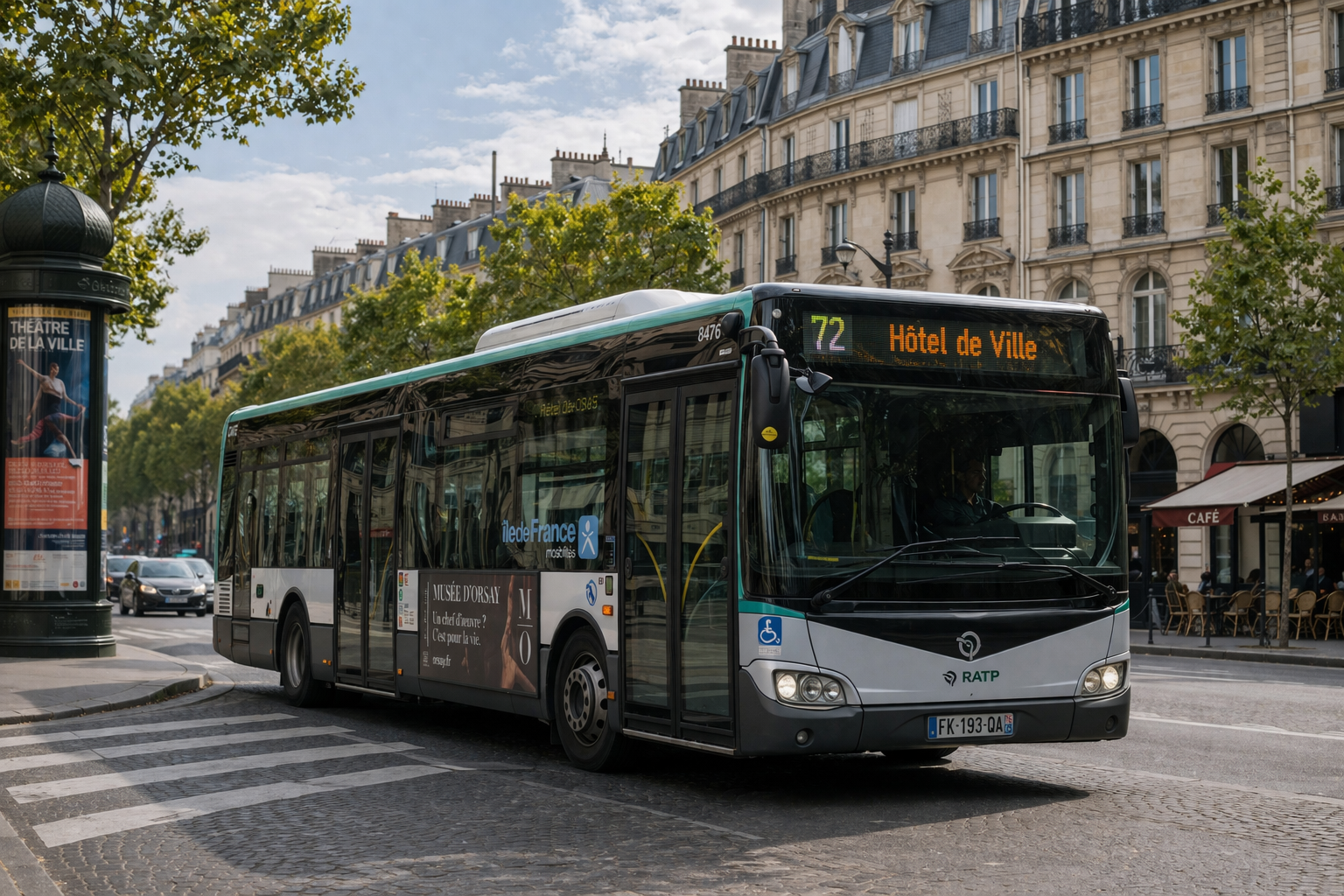
Getting to the Louvre by Bus
Several bus lines stop near the Louvre, including 21, 27, 39, 67, 68, 69, 72, 74, 85, and 95, making bus travel a convenient option from different parts of Paris.
Read More
TAKE THE BUS TO THE LOUVRE
Taking the bus is another practical way to reach the Louvre from many parts of Paris. The museum’s official directions page lists a Louvre stop on Quai François-Mitterrand, and the museum’s main access area remains around the Pyramid / Carrousel / Porte des Lions entrances depending on current opening conditions.
TRAVEL TIME
Bus travel time depends more on traffic than the metro. From central Paris, the journey can be convenient, but it may take longer during rush hour because buses share the road with normal city traffic. The Louvre is centrally located, so bus access works best when you are already staying or traveling within central Paris.
PRICE
A bus ride to the Louvre usually uses the standard Paris public transport fare system. Tickets can be bought at ticket machines, sales points, or through the Île-de-France Mobilités / RATP tools depending on the type of ticket or pass you use.
ARRIVAL AT THE LOUVRE
The most useful point to know is the Louvre bus stop at Quai François-Mitterrand, which is listed on the museum’s official access page. From there, visitors can walk a short distance to the museum entrances. The Louvre also notes that entrance conditions can vary, so it is worth checking which entrance is open before arrival.
WHY TAKE THE BUS?
For some visitors, the bus is easier than the metro because it avoids stairs, platforms, and underground transfers. It can also be a comfortable option for travelers who want to see more of Paris above ground on the way to the museum. This can be especially useful for families, older visitors, or anyone who prefers a simpler route. This is an inference based on how Paris buses operate and on the Louvre’s central street-level access.
AVOID PEAK HOURS
Buses in Paris can become slower and more crowded:
in the morning
in the late afternoon
on weekends
during the high tourist season
If possible, try to arrive earlier in the day, when both the roads and the museum access areas are usually easier to manage.
BE CAREFUL WITH PERSONAL BELONGINGS
As in other busy parts of Paris, visitors should remain careful with bags, wallets, and phones when using public transport and when arriving in crowded tourist areas around the Louvre. The museum itself also applies security procedures at the entrances.
PLAN THE RETURN TRIP
At the end of the day, roads and nearby transport stops can feel busier as many visitors leave central Paris at the same time. Planning the return trip in advance can make the journey easier, especially if you want to avoid waiting in traffic or searching for the right stop after your visit.
Best time to visit the Louvre
The Louvre is the most visited museum in the world, welcoming millions of visitors every year. Because of its popularity, choosing the right moment to visit can make a significant difference in your experience and allow you to explore its galleries in a more comfortable atmosphere.
For the best conditions, it is recommended to visit the museum early in the morning when it opens at 9:00 AM, or later in the evening during extended opening hours. These time slots are generally quieter and allow visitors to enjoy the museum’s masterpieces before the largest crowds arrive.
Weekdays are usually preferable to weekends, as Saturdays and Sundays attract both tourists and local visitors. Many travel guides also suggest choosing Monday, Wednesday, or Thursday mornings, when the museum tends to be less crowded than later in the day.
The time of year can also influence your visit. Winter months such as January and February, as well as quieter periods like early spring or autumn, often offer a more relaxed experience with shorter queues and fewer visitors. Summer, on the other hand, is typically the busiest season due to international tourism.
Planning ahead is strongly recommended. Booking tickets online, arriving early, and deciding which galleries or masterpieces you want to see first will help you make the most of your time inside one of the greatest museums in the world.
READ GUIDE
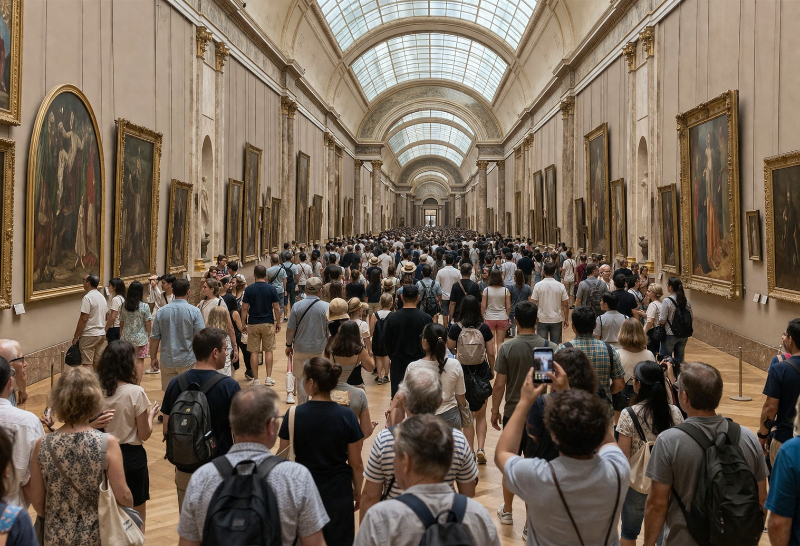

Is the Louvre suitable for seniors?
The Louvre is one of the largest museums in the world and welcomes millions of visitors every year. For senior visitors, the experience can be fascinating, but it is important to plan the visit carefully because the museum is very large and exploring it often involves a significant amount of walking.
Fortunately, the Louvre provides seating areas and benches in many galleries, allowing visitors to take short breaks while exploring the collections. Some quieter rooms also offer places to sit and rest near the artworks. However, seating is not available in every gallery, so visitors should be prepared to walk between certain sections before finding a place to rest.
For additional comfort, the museum also offers helpful services such as free folding stools, walking sticks, and wheelchairs, which can be borrowed from the visitor assistance area located under the Pyramid entrance. These facilities make it easier for visitors with reduced mobility to enjoy the museum at their own pace.
To make the visit more enjoyable, seniors are advised to wear comfortable shoes, plan shorter routes through selected galleries, and take regular breaks in seating areas or museum cafés. Focusing on a few sections rather than trying to see the entire museum in one visit is often the best way to fully appreciate the Louvre.

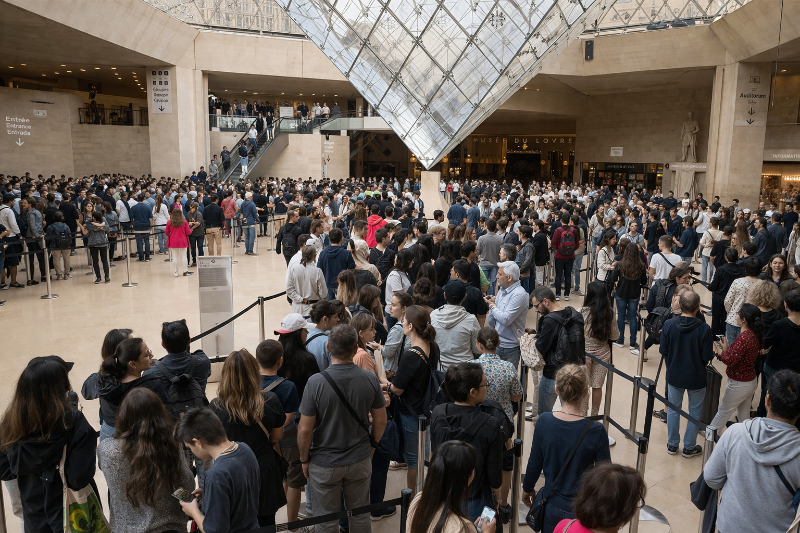
Louvre Skip-the-Line Tickets: What You Should Really Know
Many Louvre tours and tickets are advertised as “skip-the-line” access. However, it is important to understand that true skip-the-line tickets do not actually exist at the Louvre Museum.
The Louvre operates mainly with a timed-entry reservation system. When you buy your ticket online or book a guided tour, you select a specific entry time. This allows you to enter the museum at your scheduled time without waiting in the long lines for purchasing tickets on site.
Visitors with a reservation usually use a dedicated entrance line for ticket holders, which is why these tickets are often described as “skip-the-line.” In reality, the system simply provides priority access compared to visitors who have not booked in advance.
It is also important to note that all visitors must pass through security screening, so a short wait may still occur even with a reserved ticket.
To enjoy a smoother visit, it is strongly recommended to book a timed entry ticket in advance, especially during peak tourist seasons, since the Louvre is the most visited museum in the world.
Practical Information for Visiting the Louvre
The Louvre Museum is one of the largest museums in the world and includes several wings, floors, and galleries to explore. Understanding how the museum is organized can help visitors plan their visit and make the experience more enjoyable.
Read More
The Palace of Versailles
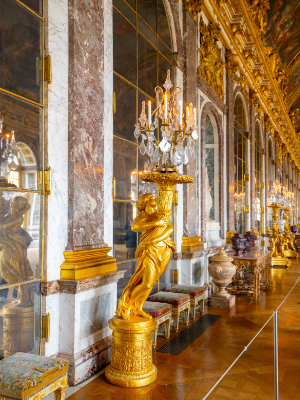
The Palace of Versailles is the main attraction of the estate. Inside the palace, visitors can discover the famous Hall of Mirrors, the Royal Apartments, and the Royal Chapel.
The palace usually opens at 9:00 AM and is closed on Mondays.
Because Versailles receives a very large number of visitors, the palace can become very crowded, especially during the middle of the day.
The Gardens of Versailles
The Gardens of Versailles, designed by landscape architect André Le Nôtre, cover more than 800 hectares and form one of the most famous formal gardens in the world.
Visitors can explore:
- the fountains
- the groves
- the Grand Canal
- the large perspectives extending from the palace
The gardens usually open around 8:00 AM and remain accessible until the evening depending on the season.
From April to October, the gardens host the famous Musical Gardens and Musical Fountain Shows.
The Trianon Palaces
The Versailles estate also includes the Grand Trianon and the Petit Trianon, which were used as more private residences by the kings and queens of France.
The Grand Trianon, built by Louis XIV, served as a retreat away from the formal life of the royal court.
The Petit Trianon later became closely associated with Queen Marie-Antoinette, who used it as a private residence.
Nearby, visitors can also discover Marie-Antoinette’s Hamlet, a charming village designed to resemble a peaceful countryside setting.
These areas usually open later in the day, often around 12:00 PM.
Getting Around the Gardens
Because the Versailles estate is extremely large, several options are available for visitors who prefer not to walk long distances.
The Little Train
Visitors can take the Petit Train de Versailles, a small tourist train that connects the main areas of the estate.
The train usually stops at:
- the Palace
- the Grand Canal
- the Grand Trianon
- the Petit Trianon
This is one of the easiest ways to reach the Trianon area without walking through the entire gardens.
Bike Rental
Visitors can also rent bicycles in the gardens. Cycling is a popular way to explore Versailles because the estate includes many wide paths and long perspectives.
Bikes allow visitors to reach areas such as the Grand Canal and the Trianon palaces more quickly.
Golf Cart Rental
Another option is renting a small electric golf cart. These vehicles allow visitors to explore the gardens more comfortably and are particularly useful for reaching distant areas of the estate.
Golf carts can usually carry 2 to 4 people and are available for rent near the main entrance of the gardens.
Time Needed for the Visit
Because the Versailles estate is so large, visitors often spend:
- 2 to 3 hours visiting the palace
- additional time exploring the gardens
- half a day or a full day if visiting the Trianon area
Planning enough time for the visit helps visitors enjoy the palace and gardens more comfortably.
- Arrive early in the morning to avoid the largest crowds, especially during the high tourist season. The Louvre opens at 9:00 AM and the first 30 to 45 minutes are significantly less crowded than the rest of the day.
- Book tickets in advance online at louvre.fr. Walk-up queues at the pyramid entrance can exceed 90 minutes in peak season. A timed entry ticket allows you to use the dedicated pre-booked lane and skip the general queue entirely.
- Enter through the Richelieu Passage on the rue de Rivoli side or through the Carrousel du Louvre underground mall if you want to avoid the main pyramid queue entirely — both are less crowded than the central entrance.
- Wear comfortable shoes. The Louvre covers over 60,000 square metres of exhibition space across three wings — Denon, Sully, and Richelieu — and most visitors walk between 4 and 6 kilometres during a standard visit.
- Plan your visit around a specific section rather than attempting to see everything. The permanent collection contains over 35,000 works across 8 departments. Choosing two or three areas in advance produces a significantly more rewarding experience than covering the galleries at a run.
- The Louvre is closed every Tuesday. It is open on all other days of the year, including most public holidays. Check louvre.fr for any exceptional closures before travelling.
- Visiting on Wednesday or Friday evening is one of the most underused options the Louvre offers — the museum stays open until 9:45 PM on those nights, and the galleries are noticeably less crowded from 6:00 PM onward than at any point during the day.
- Keep your personal belongings secure, particularly in crowded areas around the Mona Lisa in the Denon wing and in the main hall beneath the pyramid, where visitor density is at its highest.