COMPLETE GUIDE TO VISITING THE EIFFEL TOWER
PLAN YOUR VISIT

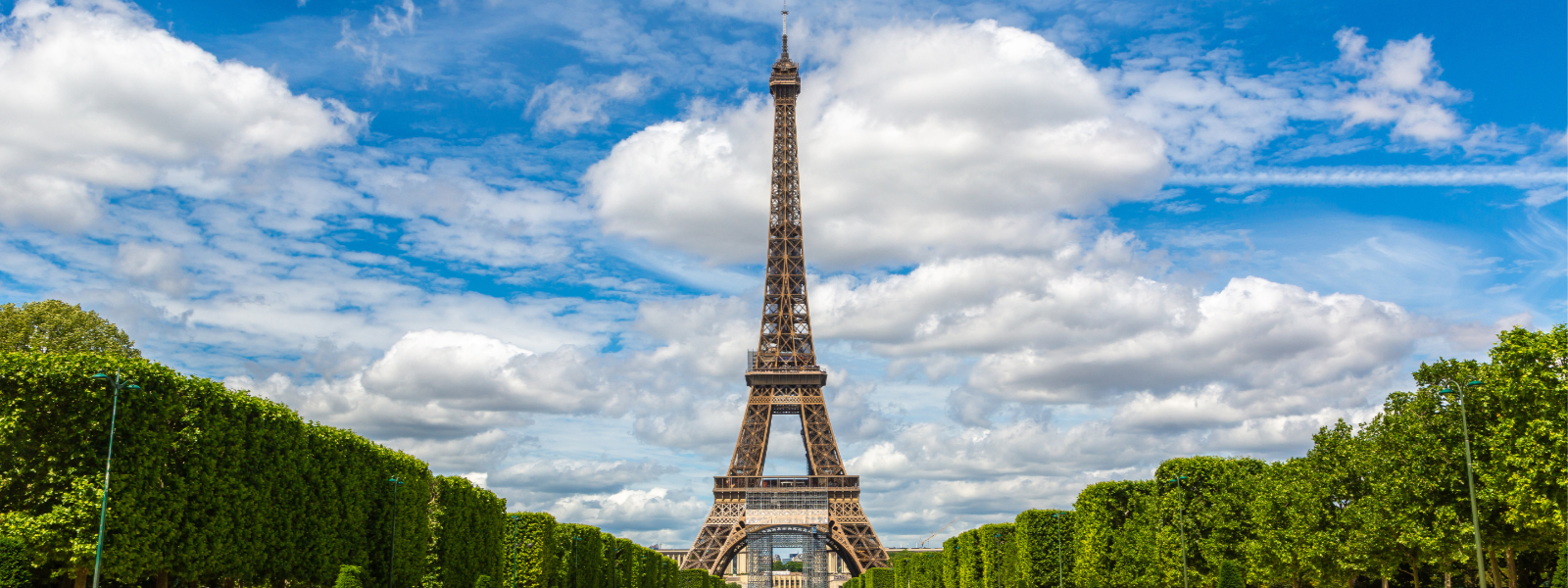
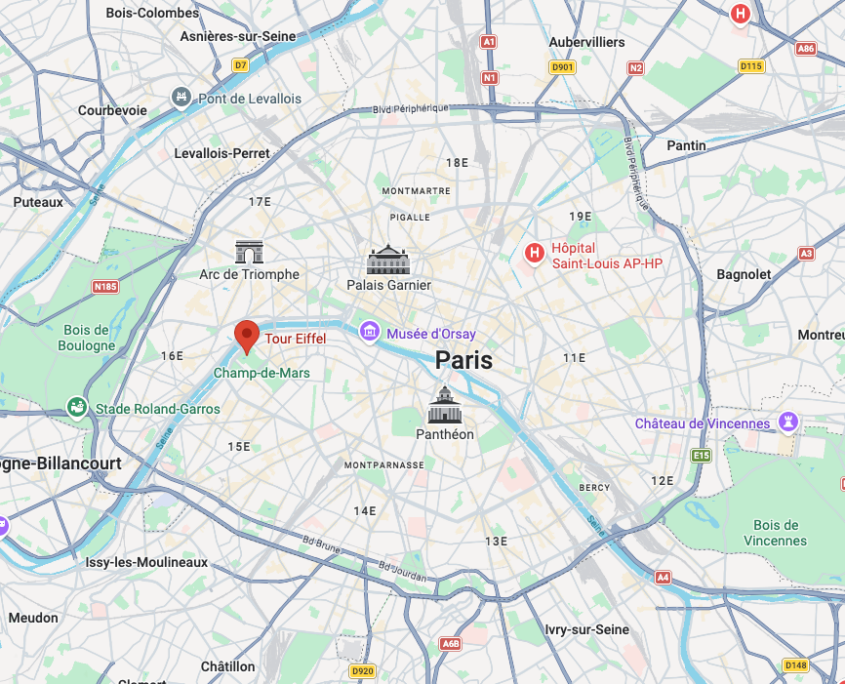
The Eiffel Tower is located in western Paris, in the 7th arrondissement, on the Left Bank of the Seine. It is one of the most famous landmarks in the world and one of the most visited monuments in France. The Tower is surrounded by several major Paris landmarks, including the Champ-de-Mars, the Seine, the Pont d’Iéna, the Trocadéro, and the École Militaire area.
Because of its central location, the Eiffel Tower is easy to reach from many parts of Paris. It can usually be accessed in 15 to 30 minutes from a large number of central neighbourhoods, depending on the starting point and the transportation used, such as the metro, RER, bus, taxi, bicycle, or on foot. The wider site also includes the esplanade, the approaches from the Champ-de-Mars and Trocadéro, and the riverfront setting that shapes the visitor experience.
Because of its scale, its layered access system, and its position within a broader urban setting, the Eiffel Tower is often experienced as a half-day visit in western Paris.
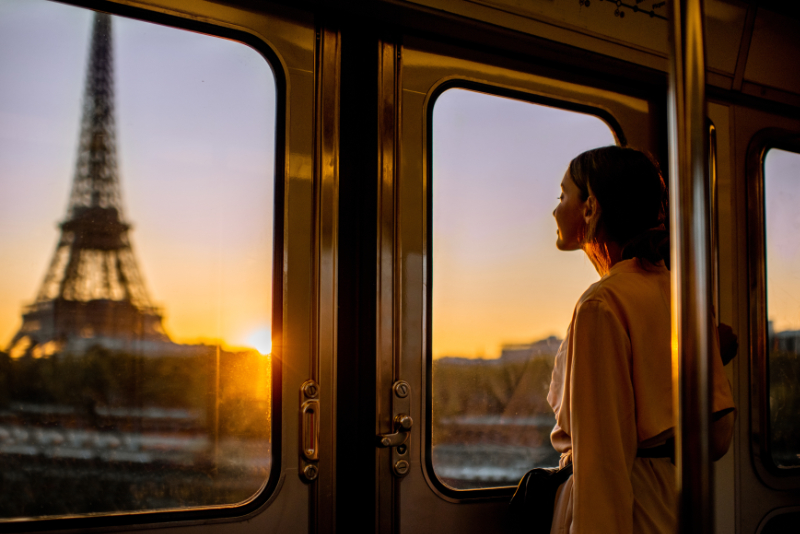
Getting to the Eiffel Tower by Metro
The Eiffel Tower is easy to reach by metro. The nearest stations are Bir-Hakeim on line 6, Trocadéro on line 9, and École Militaire on line 8. These stations offer different approaches to the monument, with Bir-Hakeim and Trocadéro among the most commonly used options for visitors arriving on foot.
Read More
The easiest way to reach the Eiffel Tower is by metro. The closest stations are Bir-Hakeim, served by line 6, and Trocadéro, served by line 9.
The journey is usually quick from most central areas of Paris.
Several metro stations and connections make access easy, including:
Bir-Hakeim
Trocadéro
École Militaire
La Motte-Picquet – Grenelle
The most convenient station is Bir-Hakeim, which is located just a short walk from the monument.
From the station, it usually takes about 5 to 10 minutes on foot to reach the Eiffel Tower entrances, depending on which pillar entrance or checkpoint you use.
Metro tickets can be purchased at:
ticket machines in metro stations
ticket counters
the Île-de-France Mobilités app
A single metro ride in Paris is usually inexpensive, and many visitors use a standard city transport ticket or pass.
The metro and the Eiffel Tower entrances can become very crowded, especially:
in the morning
during summer tourist season
on weekends
on public holidays
If possible, try to arrive early in the morning or later in the evening.
As in many busy tourist areas, pickpockets sometimes operate in metro stations, trains, and around major landmarks.
Visitors should:
keep bags closed
avoid carrying unnecessary valuables
keep wallets and phones secure
Depending on where you are coming from, different stations may be convenient, but the most useful are:
Bir-Hakeim
Trocadéro
École Militaire
These stations all provide easy access to the Eiffel Tower area.
At the end of the day, many visitors leave the Eiffel Tower at the same time.
Because of this:
metro platforms can be crowded
waiting times may increase
some nearby stations may feel very busy
Planning your return route in advance can make the journey easier.
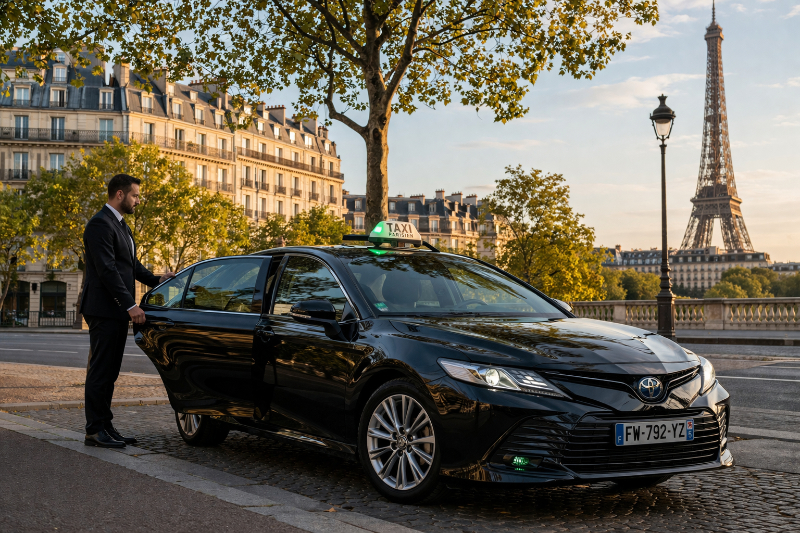
Getting to the Eiffel Tower by Taxi
The Eiffel Tower is also easy to reach by taxi. Drop-off on Avenue Gustave Eiffel places visitors just a short walk from the security checkpoint, making it one of the most direct options from many parts of Paris.
Read More
A taxi or Uber can be one of the easiest ways to reach the Eiffel Tower from many parts of central Paris. The journey is often fairly short, but actual travel time depends heavily on traffic, your pickup point, and the time of day. In practice, rides are usually slower in the morning and late afternoon, when central Paris is more congested.
There is no single fixed fare for reaching the Eiffel Tower by taxi or ride-share within Paris. The final cost usually depends on several factors, including:
traffic conditions
pickup location in Paris
time of day
the type of service booked
For that reason, it is usually best to check the estimated fare in the app before booking. This gives a more useful indication than any general average, especially during busy periods.
One of the main advantages of taxis and ride-share services such as Uber is that they can pick you up directly at your hotel or accommodation in Paris.
This can make the journey easier for visitors who do not want to use the metro, who are traveling with children, or who are carrying bags or visiting in poor weather.
In practice, taxis and ride-share services usually drop visitors a short walk from the security checkpoint rather than directly beneath the Tower itself. Avenue Gustave Eiffel is often one of the most practical approach points, depending on traffic and access conditions on the day.
Returning later in the day can be less convenient, especially when large numbers of visitors leave the Eiffel Tower area at similar times. Traffic may slow the journey, and ride availability can vary depending on demand. There is also a taxi rank near the Tower, but it is often busy, particularly later in the day.
Planning your return transportation in advance can make the trip much easier.
The Eiffel Tower has several entrances and access points, and the most practical drop-off area may vary depending on your ticket type and the conditions on the day. In most cases, it is better to arrive near the main access area than to aim for one exact gate.
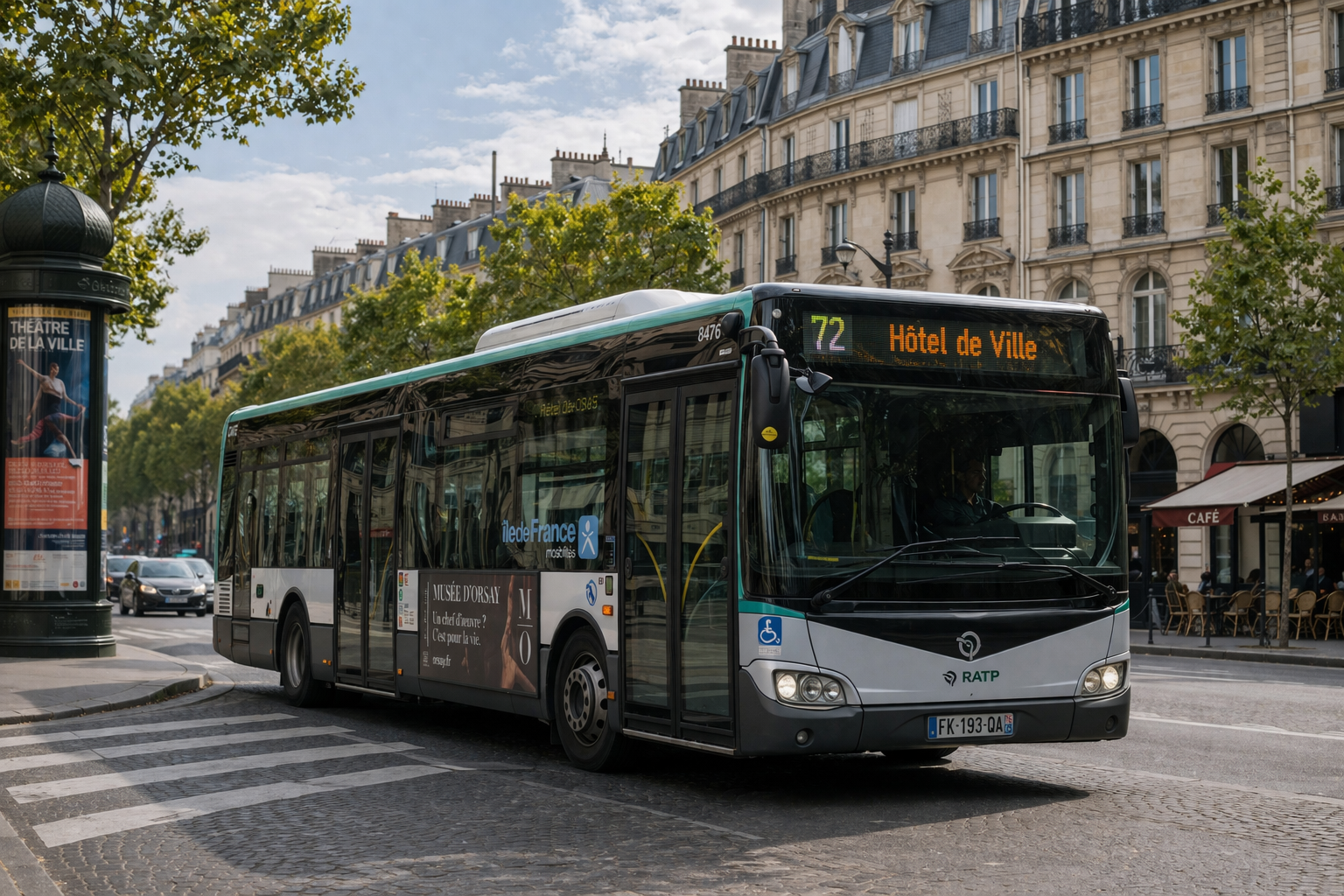
Getting to the Eiffel Tower by Bus
Several bus lines stop near the Eiffel Tower, including 42, 69, 72, 82, and 87, making bus travel a convenient option from different parts of Paris.
Read More
Taking the bus is another practical way to reach the Eiffel Tower from many parts of Paris. The monument’s official access information lists several nearby bus lines, including routes that stop a short walk from the entrances.
Bus travel time depends more on traffic than the metro. From central Paris, the journey can be convenient, but it may take longer during rush hour because buses share the road with normal city traffic. The Eiffel Tower is centrally located enough that bus access works best when you are already staying or traveling within central Paris.
A bus ride to the Eiffel Tower usually uses the standard Paris public transport fare system. Tickets can be bought at ticket machines, sales points, or through the Île-de-France Mobilités / RATP tools depending on the type of ticket or pass you use.
Several bus stops place visitors within a short walk of the Eiffel Tower. The most useful nearby stops usually include Tour Eiffel, Monttessuy, Champ de Mars, or Pont d’Iéna, depending on the line you take. From there, visitors can walk a few minutes to the monument’s access areas.
For some visitors, the bus is easier than the metro because it avoids stairs, platforms, and underground transfers. It can also be a comfortable option for travellers who want to see more of Paris above ground on the way to the monument.
This can be especially useful for families, older visitors, or anyone who prefers a simpler and more direct street-level route.
Buses in Paris can become slower and more crowded:
in the morning
in the late afternoon
on weekends
during the high tourist season
If possible, try to arrive earlier in the day, when both the roads and the monument’s access areas are usually easier to manage.
As in other busy parts of Paris, visitors should remain careful with bags, wallets, and phones when using public transport and when arriving in crowded tourist areas around the Eiffel Tower. Security checks are also part of the entry process.
At the end of the day, roads and nearby transport stops can feel busier as many visitors leave the Eiffel Tower area at the same time. Planning the return trip in advance can make the journey easier, especially if you want to avoid waiting in traffic or searching for the right stop after your visit.
Best time to visit the Eiffel Tower
The Eiffel Tower is one of the most visited monuments in the world, welcoming millions of visitors every year. Because of its popularity, choosing the right moment to visit can make a significant difference in your experience and allow you to enjoy the monument in a more comfortable atmosphere.
For the best conditions, it is generally recommended to visit early in the morning, shortly after opening, or later in the evening, when the light is softer and the atmosphere often feels calmer. These time slots usually offer a more pleasant experience than the busiest hours in the middle of the day.
Weekdays are usually preferable to weekends, as Saturdays and Sundays attract both tourists and local visitors. Many travellers also find that Tuesday, Wednesday, or Thursday mornings tend to feel more manageable than peak afternoon periods.
The time of year can also influence your visit. Winter months and quieter periods such as early spring or autumn often provide a more relaxed experience with shorter queues and fewer visitors. Summer, by contrast, is usually the busiest season, especially during late morning and sunset hours.
Planning ahead is strongly recommended. Booking tickets online, arriving a little early, and deciding in advance whether you want to visit the summit or only the second floor will help you make the most of your time at one of the world’s most iconic landmarks.
READ GUIDE

Is the Eiffel Tower suitable for seniors?
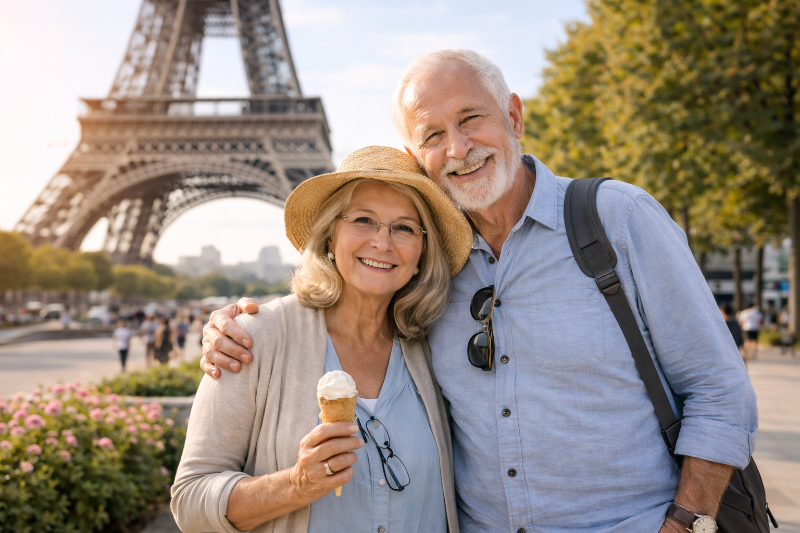
The Eiffel Tower is one of the most visited monuments in the world and welcomes millions of visitors every year. For senior visitors, the experience can be highly rewarding, but it is important to plan the visit carefully because access often involves security checks, waiting time, and a significant amount of standing and walking.
Fortunately, the monument offers lift access, which makes the visit much easier for many seniors than a stairs-based experience. Many visitors choose the lift to the second floor, which often provides the best balance between comfort, views, and overall accessibility. The summit can also be rewarding, but it usually involves more time, more waiting, and a longer visit overall.
For additional comfort, it is usually best to visit at quieter times, such as early in the morning or on calmer weekdays. Comfortable shoes, warm layers in cooler weather, and realistic expectations about queues can make a significant difference. Seniors who prefer a gentler pace often enjoy the visit more when they focus on one level rather than trying to do everything at once.
With a little preparation, visiting the Eiffel Tower can be a very enjoyable experience for senior travellers. The key is to choose the right ticket, avoid the busiest periods, and allow enough time to enjoy the views without turning the visit into an unnecessary physical effort.
Eiffel Tower Skip-the-Line Tickets: What You Should Really Know
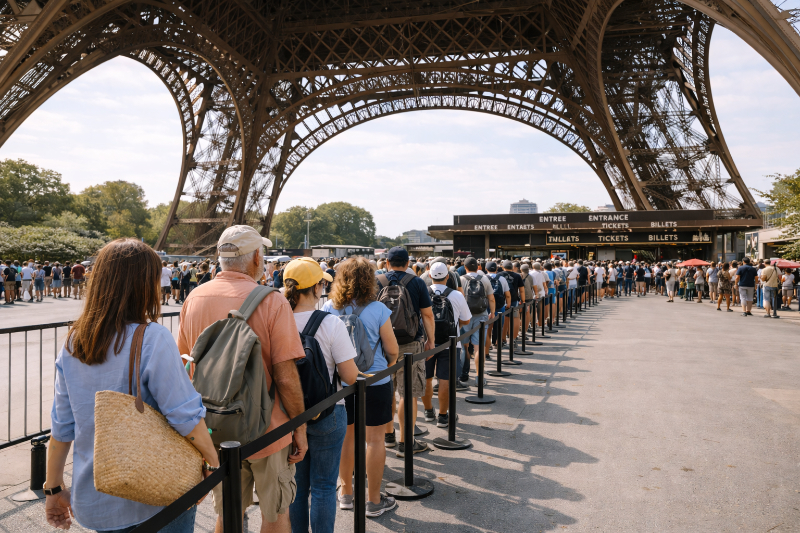
Many Eiffel Tower tickets and tours are advertised as “skip-the-line” access. However, it is important to understand that true skip-the-line access does not usually mean a completely queue-free visit at the Eiffel Tower.
The Eiffel Tower works with a timed-entry reservation system for many tickets. When you book online, you select a specific access time. This helps organise entry and can reduce uncertainty compared with arriving without a reservation.
Visitors with a reservation generally use the ticket-holder access flow, which is why these tickets are often described as “skip-the-line.” In practice, this usually means structured entry rather than immediate access. Visitors may still need to wait at security, ticket control, and lift queues.
It is also important to note that all visitors must pass through security screening, and summit visitors may face an additional wait for the upper lift even after entering the monument.
To enjoy a smoother visit, it is strongly recommended to book a timed ticket in advance, especially during weekends, peak tourist seasons, and sunset hours. At the Eiffel Tower, a reserved ticket improves the experience, but it does not remove every queue.
Practical Information for Visiting the Louvre
The Eiffel Tower is one of the most visited monuments in the world and includes several levels, access options, and viewpoints to experience. Understanding how the monument is organized can help visitors plan their visit more effectively and make the experience more enjoyable.
Read More
The Esplanade and Main Access Area
The Eiffel Tower begins at the esplanade, the main ground-level access area beneath and around the monument. This is where visitors pass through security, approach the different pillar entrances, and begin the ascent.
Because the Tower welcomes a very large number of visitors every year, this first access area can become crowded, especially during the middle of the day and in peak tourist season.
The First Floor
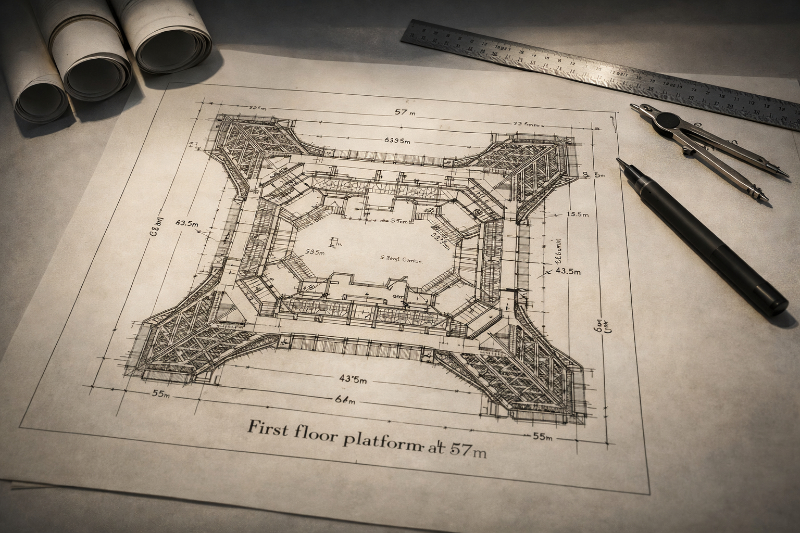
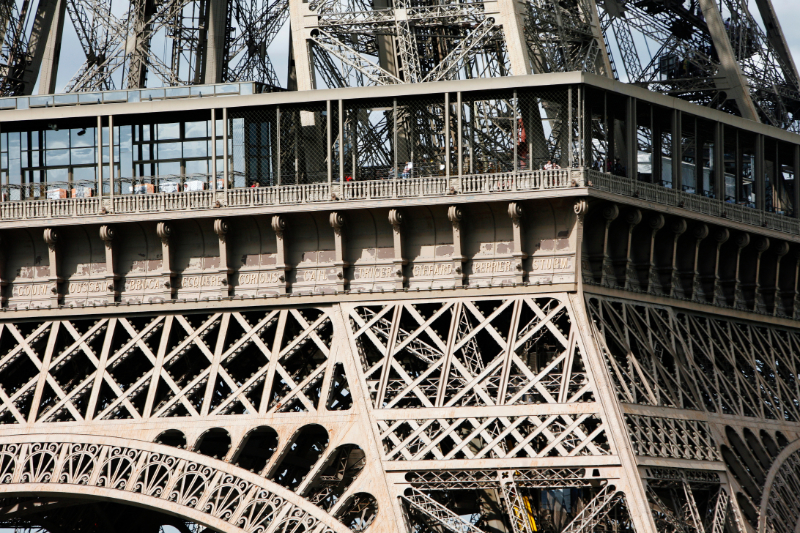
The first floor is often the most overlooked level of the Eiffel Tower, but it offers one of the most distinctive experiences of the monument itself.
Visitors can discover:
The first floor is included in visits that go beyond the ground level and is usually reached on the way to the upper levels.
The Second Floor
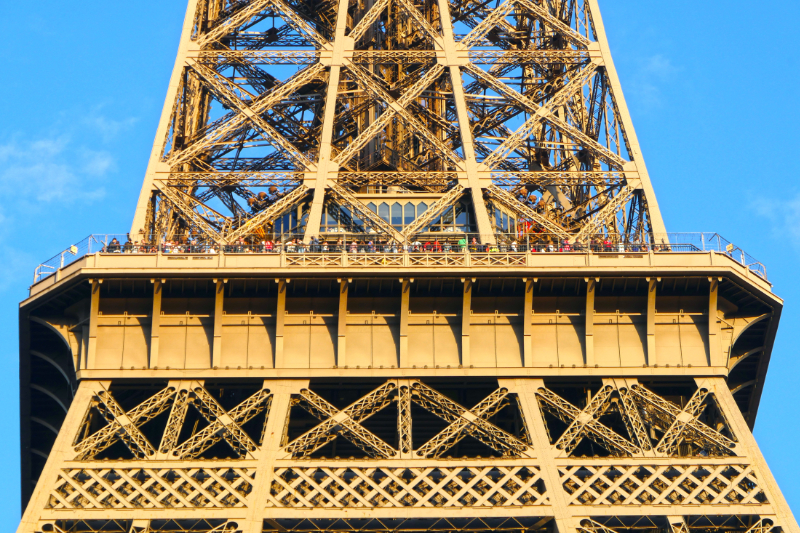
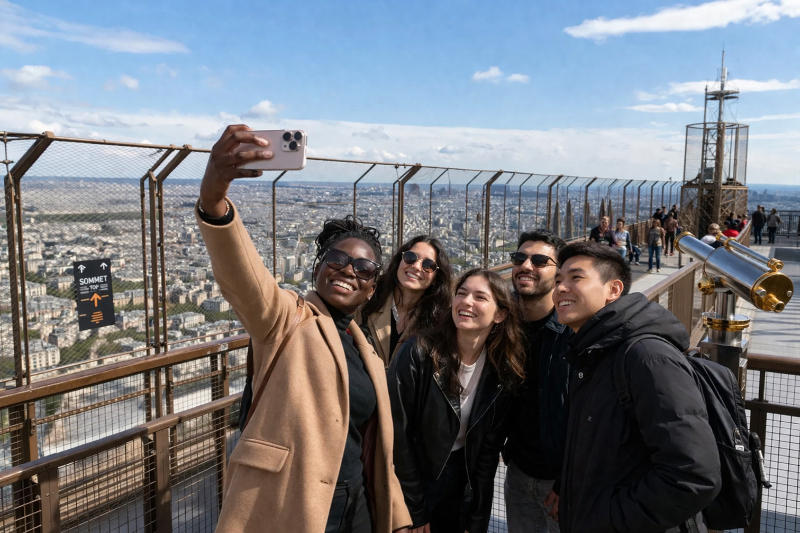
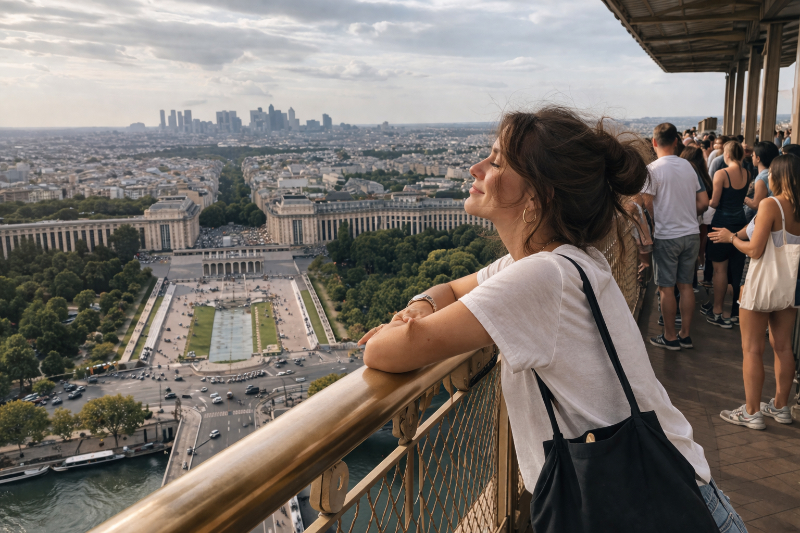
The second floor is for many visitors the most important level of the Eiffel Tower. It offers wide panoramic views across Paris and is often considered the best balance between altitude, visibility, and overall comfort.
From here, visitors can enjoy some of the Tower’s most famous perspectives over the city, including views toward the Seine, the Trocadéro, Montmartre, and central Paris.
The second floor can be reached by lift or, for some tickets, by stairs.
The Summit
The summit is the highest public level of the Eiffel Tower and offers the most elevated experience of the monument.
From the summit, visitors can discover:
The summit is accessible only by lift from the second floor and may close independently in bad weather or high winds.
Getting Around the Tower
Because the Eiffel Tower is organised vertically rather than horizontally, the visit depends on the type of ticket selected and the level you want to reach.
The Lifts
Most visitors use the lifts, which provide access to the second floor and, for summit ticket holders, to the upper lift continuing to the top.
Lift access is the simplest option for many visitors and is the only way to reach the summit.
The Stairs
Visitors can also choose the stairs to the second floor, which offer a more physical and more structural experience of the monument.
This option is popular with visitors who want a different rhythm and a closer understanding of the Tower’s iron framework.
How the Visit Changes by Ticket Type
At the Eiffel Tower, the ticket is not only about price. It also changes the visit itself.
Visitors may choose between:
Each option creates a different pace, level of effort, and overall experience of the monument.
Time Needed for the Visit
Because of the queues, the security checks, and the different levels of access, visitors often spend:
Planning enough time for the visit usually makes the experience far more comfortable and enjoyable.