
Please note that all tips, observations, and cultural insights shared here reflect personal experience and general guidance. They do not represent every Parisian or every situation. These suggestions are meant to help travelers, not to generalize or speak on behalf of the entire population.
Paris Lifestyle Guide – Experience the Spirit of Paris
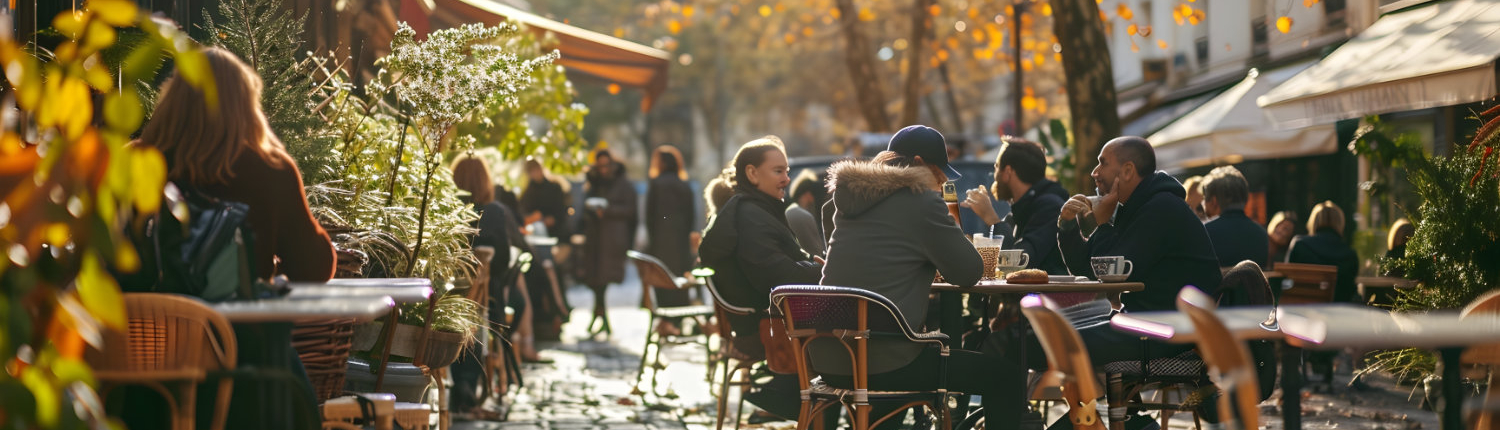
In Paris, the way people move through public space is neither an aesthetic choice nor an obsession with efficiency. It is the result of gradual learning, shaped by years of life in a dense city where streets, sidewalks, and passageways were never designed for contemporary flows. When you live here, you quickly understand that movement is not neutral and that every gesture has immediate consequences for others.
With experience, you see that attention to one’s own movement becomes a form of quiet politeness. In a place where space is limited, stopping abruptly, hesitating too long, or drifting without clear intention creates tension—not out of malice, but because it disrupts a fragile collective balance. This is not something learned from rules, but through repetition, through daily friction with the city’s reality.
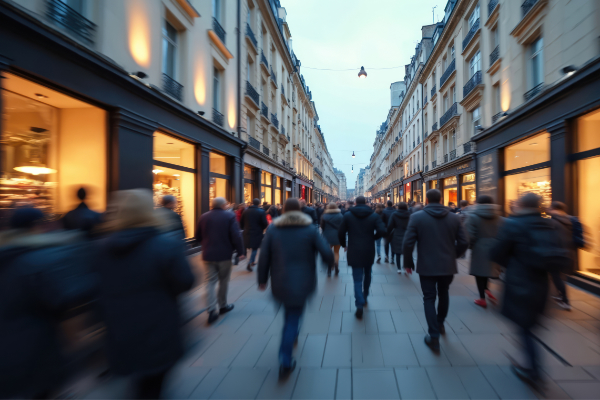
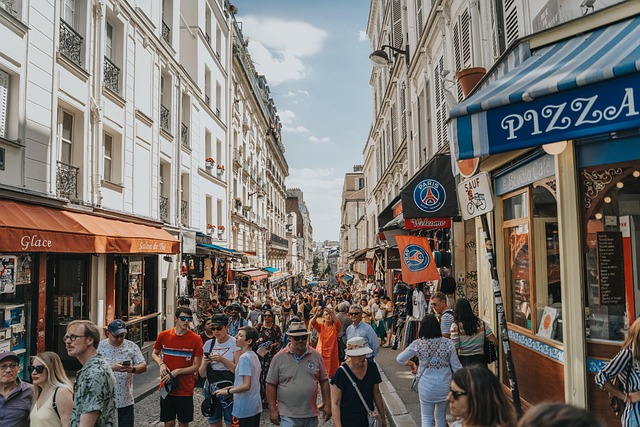
Parisians often walk fast, but rarely out of constant stress. They walk fast because the city imposes that rhythm. Sidewalks are narrow, flows are continuous, and distances are often deceptive. Over time, the body adapts. The stride becomes more assured, more direct not to dominate space, but to move through it without adding unnecessary obstruction.
This does not mean the movement is always fluid or graceful. There are days of fatigue, irritation, impatience. People bump, sigh, complain. These moments are part of reality. But behind these rough edges remains an implicit rule we see again and again on the ground: be readable. In a dense city, helping others understand where you are going and how you are moving is a form of consideration.
Public space in Paris imposes this discipline without ever stating it. From childhood, people learn that blocking a passage, drifting without awareness, or breaking a flow without reason immediately affects others. This is not experienced as rigidity, but as a necessity of coexistence. The city works because everyone constantly adjusts their place and their movement.
Over the years, these adjustments become instinctive. Reading the crowd, anticipating a trajectory, adapting your pace happens without conscious thought. This knowledge is not theoretical. It is physical. It lives in how you walk, turn, stop, and restart.
Of course, this balance is never perfect. It breaks, corrects itself, gets tired. But at its best, Paris conveys a simple and deeply collective idea: moving with intention allows others to do the same, and makes shared life possible despite density, noise, and daily pressure.
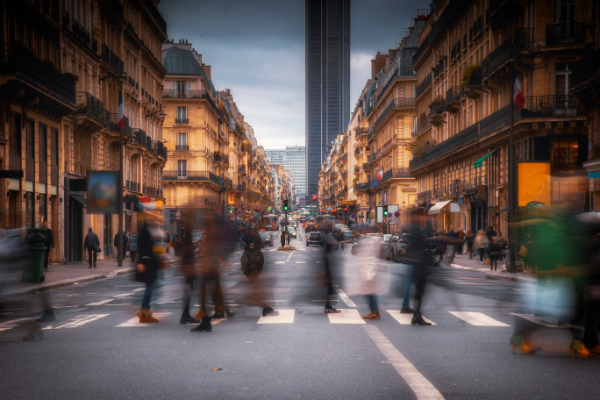
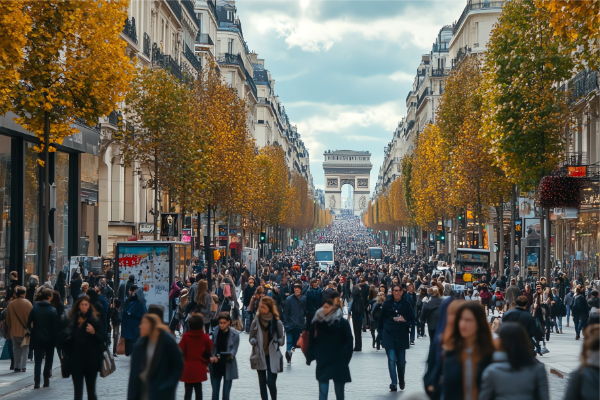
In a city where movement is almost constant, stopping is never entirely trivial. In Paris, stopping is not seen as a neutral gesture, but as a break in the collective flow, which is why it is rarely done without a reason, even an unspoken one. With time and experience, you notice that some interruptions are naturally accepted, while others immediately trigger irritation or confusion.
Parisians develop early a form of discernment in their relationship to attention. Not everything deserves to be noticed, and not everything deserves a reaction. In an environment saturated with visual, sonic, and human stimuli, this ability to filter becomes essential to preserve inner balance and avoid constant exhaustion.
This does not mean Parisians are indifferent to their surroundings. Quite the opposite. They stop often, but selectively. A carefully composed shop window, a conversation that catches the ear, a particular light on a façade or a sidewalk can be enough to create a pause. These moments are not actively searched for; they impose themselves when they resonate.
This relationship to stopping reveals a mature relationship to attention. Knowing when to stop matters as much as knowing when to continue. With experience, you understand that trying to notice everything is another way of seeing nothing, and that choosing what deserves your time protects the quality of presence.
Of course, not every day allows for that availability. Some days are too full, too fast, too heavy. Sometimes you move through the city without noticing anything, absorbed by obligations or fatigue. Those days are also part of Parisian reality.
But even when attention is dulled, the reflex remains in the background. In calmer moments, stopping becomes possible again. And in its simplest forms, that pause acts like an anchor, a way of returning to the present.
This is neither romanticism nor aesthetic posturing. It is an urban survival strategy. In a city that never truly slows down, knowing how to stop at the right moment helps you stay connected without being overwhelmed.
The relationship to time in Paris is marked by a constant contradiction that you only truly understand by watching it over the long term. Parisians often complain about not having enough time, being late, running through overfilled days. Complaining about time is part of daily life, almost part of the shared language. Yet at the same time, certain moments are protected with a determination that can surprise those unfamiliar with the codes.
With experience, you see that time in Paris is not managed in a strictly rational or efficient way. It is negotiated. Professional obligations impose a fast pace, but that pace coexists with pauses that are not seen as optional. Lunch, for example, remains a structuring moment in the day. Shortening it too much or eliminating it entirely often creates discomfort, even under pressure.
Conversations follow a similar logic. It is rare for an exchange to be cut off abruptly without explanation. Ending a discussion too quickly can feel unfinished, almost impolite. This attention to shared time reflects a desire to preserve spaces where life is not lived only under the rule of urgency.
This coexistence of hurry and slowness can look paradoxical. You see people rush to work, then settle for a long meal. You see them move quickly through tasks, then linger over a coffee without watching the clock. This is not inconsistency, but a daily attempt to maintain balance.
Time here is not lived as a resource to optimize at all costs, but as a material to work with. Some moments are compressed, others stretched. The choice is not always conscious, and not always successful, but it reflects an implicit hierarchy of priorities.
Of course, this balance is fragile. Sometimes pressure wins, pauses disappear, and the day becomes mechanical. These moments exist, and they are increasingly common. But even then, the ideal remains as a reference point.
This relationship to time is not about perfection. It is about continuity. By protecting certain rituals, even imperfectly, Parisians try to preserve a form of humanity within constraint, where everything could otherwise become purely functional.
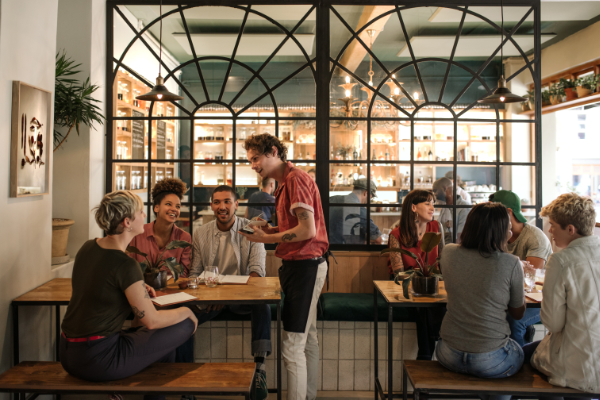

In Paris, politeness is rarely demonstrative. It is not designed to create immediate warmth or spontaneous friendliness, but to allow daily interactions to happen without friction in a context of constant proximity. When you observe the city over time, you understand that these small rituals are not decorative they are structural.
In a space where contacts are numerous, quick, and often anonymous, politeness first serves to recognize the other as a legitimate presence. Saying “bonjour” is not a sign of enthusiasm, nor an invitation to conversation. It is a simple signal that the interaction is framed, respectful, and will not slip into confrontation.
Through experience, you notice how strongly the absence of these markers is felt. A request made without “bonjour” can seem abrupt or even aggressive, not because it lacks kindness, but because it breaks the implicit balance of the exchange. This gap is often at the root of many misunderstandings with visitors.
This does not mean Parisians are always polite in tone or manner. Fatigue, pressure, and impatience are part of daily life. But even when the smile disappears, the structure remains. These minimal codes allow the city to function without every interaction becoming emotionally charged.
Parisian politeness is therefore functional before it is emotional. It does not aim to create deep connection in every exchange, but to maintain a form of neutral goodwill. This restraint can be mistaken for coldness when you do not know it, when in fact it is primarily a way of protecting each person’s space.
Over time, you understand that this discretion does not exclude warmth. It channels it. Once the frame is set, the relationship can evolve, deepen, and become more personal. But nothing is forced. Politeness creates stable ground without demanding immediate emotional intimacy.
When it disappears, interaction becomes unbalanced instantly. And when it is respected even mechanically it allows exchanges to remain human without becoming invasive. In Paris, this quiet politeness is not optional. It is a daily necessity.
In Paris, language holds a central place in social life, but it is not used in an expansive or performative way. With time and observation, you understand that words are considered to carry weight and consequences. Speaking is not trivial, and that is precisely why silence is widely accepted.
In everyday exchanges, speaking too long or too loudly can feel intrusive. This does not mean Parisians lack opinions or emotions, but that they value measure. Speech is often used to clarify, to specify, or to move an idea forward, rather than to occupy space.
Through experience, you see that listening is valued as much as speaking. Knowing when to step in and when to stop contributes to credibility. Silence is not necessarily a void to fill, but a moment of reflection, observation, or restraint.
Parisian conversations can be lively, sometimes even sharp. Disagreement is common, and debate is part of the culture. However, even when exchanges become animated, a certain control is still expected. Losing control weakens a point more than it strengthens it.
This preference for restraint creates a conversational style that favors precision over enthusiasm. What matters is less emotional intensity than the accuracy of an argument. A well-formulated idea, placed at the right moment, will carry more weight than a long, emphatic speech.
Of course, this norm is not always respected. Fatigue, irritation, or daily tensions can raise voices. These slips exist and are part of reality. But even then, the ideal of measure remains as an implicit reference.
Over time, you understand that this way of speaking and listening aims to preserve a space where everyone can exist without dominating. In Paris, speech is not a tool for performance. It is a form of balance.
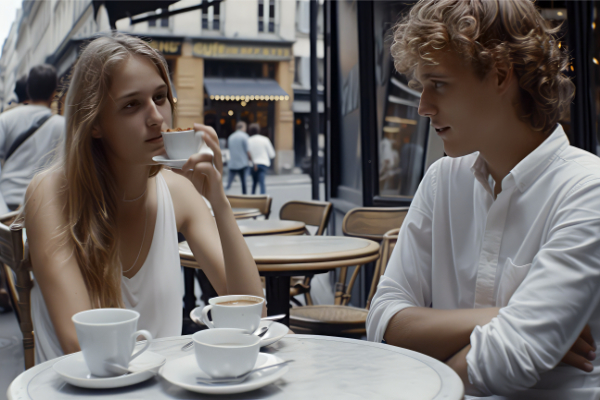
The balance often associated with Parisian attitude is neither innate nor automatic. It is not a matter of temperament, but of gradual learning imposed by constant proximity to others. Living in Paris means being repeatedly placed in situations where you have to adjust your place, your behavior, and your intensity.
With experience, you see that this balance is built through trial and error. It is about finding a way to exist without imposing yourself, to be present without dominating space, and to keep distance without becoming cold. None of this is natural at first. It is learned over time, sometimes consciously, often through simple adaptation.
The density of the city forces this constant search for justness. Too much confidence can be read as arrogance. Too much reserve as indifference. Between the two lies a fragile, shifting zone that you learn to recognize by observing how others respond.
This constant adjustment can produce grace when balance is found, but also friction when fatigue or pressure takes over. Misunderstandings exist, tensions too. They are part of collective life and remind us that balance is never permanently secured.
Over time, you understand that this search for measure is not meant to smooth personalities or erase differences. It allows very different people to coexist in a restricted space. Balance does not eliminate contrasts; it makes them livable.
This social skill, learned slowly and imperfectly, shapes how Parisians stand, speak, and interact. It explains both certain discreet forms of elegance and certain visible forms of tension.
In Paris, balance is not an abstract ideal. It is a daily necessity, constantly renegotiated, that allows collective life to continue despite density, fatigue, and constraint.
Effortless. Considered. Never Guaranteed. Style as a Byproduct of Life, Not a Goal
Parisian style is often presented as an aesthetic mystery, almost as an inborn talent or a natural sophistication. When you observe reality over time, you understand that it is more accurately a side effect of a very specific way of life. In Paris, much of life is lived in public space, under the repeated gaze of the same strangers, in streets, transport, cafés, and neighborhood shops.
In this context, clothing cannot be a costume designed for a single occasion. It has to last, adapt to changes in rhythm, weather, and circumstance. With experience, you see that this constraint creates a form of visual continuity. Clothing choices aim less to impress than to carry a person through the day without rupture.
Style becomes pragmatic before it becomes aesthetic. Clothes must allow long walks, comfortable sitting, and movement from one appointment to another without needing a change. This demand for function naturally limits excess and favors sober, coherent, durable silhouettes.
What is often perceived as elegance is, in reality, a search for balance. It is about being comfortable without looking careless, present without being loud. This coherence is not always achieved. Some days, effort shows. Other days, it disappears completely. These variations are part of real life and are not treated as failures.
Over time, you notice that Parisian style favors continuity over impact. An outfit should carry through the day without demanding too much attention. It supports identity rather than replacing it. Clothing becomes a frame, not a message.
This explains why imitation often fails. Parisian style is not a list of items or brands. It rests on a relationship to the body, to time, and to public space something that cannot be purchased.
Finally, it matters to remember that this style is never guaranteed. It depends on mood, fatigue, and the constraints of the day. Paris does not promise permanent elegance. It simply allows, on some days, for coherence to win.

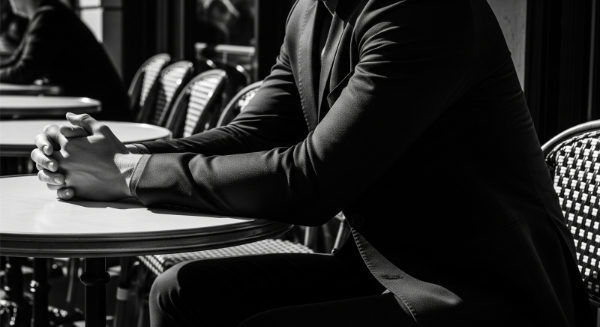
When you observe Parisian daily life over time, you understand that what is often called “a sense of style” is less about inspiration than about constant adjustment. Parisians do not wake up aiming to make an aesthetic statement. They are looking for coherence between what they wear, where they are going, the weather, the day’s rhythm, and their own state of mind.
With experience, you see that this editing process is constant. Something is almost always removed rather than added: a color that is too loud, a detail that is too visible, an accessory that draws unnecessary attention. This gesture is not experienced as constraint, but as a way to simplify, clarify, and reduce visual noise.
This discipline is neither rigid nor fixed. It evolves with time, life stages, neighborhoods, and seasons. Some days, effort is visible. Other days, it disappears entirely. Both are acceptable. What matters is not perfection, but continuity.
You also see how deeply this editing is tied to urban life. Being seen repeatedly by the same people, crossing the same faces in the neighborhood, sitting on the same terraces creates a kind of collective memory. In that context, excess attracts attention in a lasting way, which naturally encourages restraint.
Over time, restraint becomes almost instinctive. The eye sharpens. You learn what works over the long run and what quickly feels tiring. Style is built less by accumulation than by subtraction, less by assertion than by balance.
This is why Parisian style can appear discreet, even ordinary at first glance. It does not aim to impress in a single moment, but to settle into a continuity of life. Elegance, when it appears, is often the result of that quiet coherence.
This daily editing is not always conscious. Sometimes it happens automatically, sometimes with hesitation. But it reflects a deeply rooted idea: it is better to do a little less than too much, so that there is space for the person rather than the outfit.
It is important to remember that Parisian reality is not made of consistency or perfection. Behind the often idealized images, there are difficult mornings, overfilled days, and a very real fatigue that accumulates. Paris does not protect people from these moments, and that is precisely what makes the observation more truthful when you take time to acknowledge them.
With experience, you clearly see that Parisians are not always living up to the image projected onto them. Hair refuses to cooperate, clothes feel wrong, time runs out, energy too. You see tired silhouettes, wrinkled coats, worn shoes. These scenes are fully part of the daily landscape.
These moments are not experienced as personal failures. They are accepted as a normal component of urban life. Fatigue is not denied; it is integrated. It explains certain attitudes, certain brusqueness, certain silences that are too quickly interpreted as indifference.
What we call Parisian style does not erase these realities. It includes them. It does not rely on flawless presentation, but on a general tendency—a way of approaching life with enough flexibility to accept imperfect days.
Over time, you understand that “bad days” also contribute to the overall balance. They remind us that elegance is not a permanent state, but a disposition that shifts with circumstance. Trying to freeze it would betray its very nature.
Paris does not try to hide fatigue. It makes it visible, sometimes bluntly. But that visibility can remove a certain pressure. No one is expected to be impeccable all the time. People are simply expected to keep moving.
These difficult days complete the picture. They give depth to what is admired on better days. Without them, everything else would feel artificial. In Paris, reality is part of style—and that is what makes it credible.
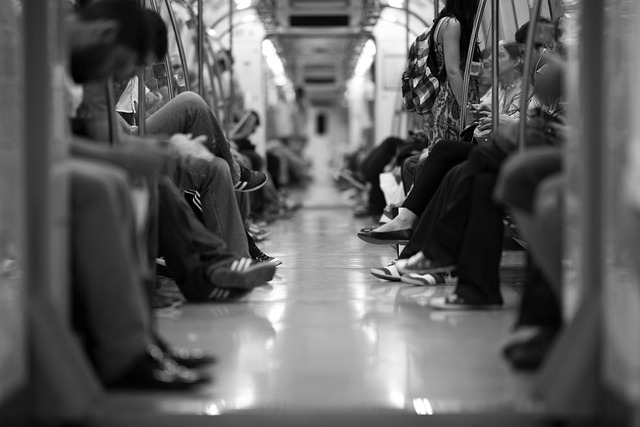
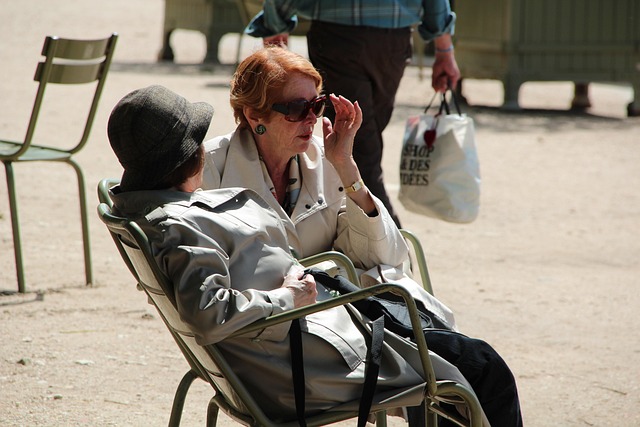
Over years of guiding visitors in Paris, the same misunderstandings return again and again. Many visitors try to understand Parisian attitude by focusing on visible signs, believing that reproducing certain codes is enough to fit in—or at least get closer. That impulse is understandable, but it often leads to disappointment.
One of the most common misunderstandings concerns style. Many assume it is built on specific pieces, certain brands, or a particular way of dressing. Yet what we observe on the ground is that these attempts at imitation rarely work—not because they are clumsy, but because they focus on the result rather than the process.
What is most often missing is not the item, but the relationship to the item. Parisian style only works when it is worn without visible effort, when the person seems to have forgotten about it. The moment you feel tension, a desire to “do it right,” or to match an image, something becomes unbalanced.
The same gap appears in social interactions. Some visitors read reserve as rejection, brevity as harshness, and lack of enthusiasm as lack of interest. These readings are understandable, but they come from expectations that do not match the local context.
With experience, you learn that many Parisian behaviors are functional before they are relational. They aim to preserve balance in a dense space rather than create immediate connection. That difference in logic is rarely explained, and it is often where confusion begins.
Visitors also tend to underestimate the importance of comfort in the broad sense: physical comfort, emotional comfort, social comfort. In Paris, nothing holds over time without a certain ease. Style, attitude, and interaction only work when they allow a person to remain themselves without excessive strain.
Understanding these mechanisms does not mean adopting them entirely. It simply means recognizing that the codes are different, and that they respond to a specific reality. Once that gap is accepted, interactions often become simpler, less personal, and more peaceful.
The Parisian art of living is often idealized as a kind of elegant slowness, seemingly detached from daily constraint. When you observe reality over time, you understand that it is neither slowness nor permanent leisure, but a selective way of inhabiting time and space. Parisians do not have more free time than others, but they place particular value on certain moments they try to protect sometimes awkwardly, sometimes fiercely.
With experience, you see that this art of living is built less on the exceptional than on repetition. The same cafés, the same routes, the same habits structure the days. What changes is not so much the setting as the attention given to what unfolds within it. Pleasure is not searched for in constant novelty, but in familiar repetition.
Meals play a central role in this rhythm. Not because food is sacred, but because sitting down together, sharing time, and lingering creates a necessary pause. Leaving the table too quickly often feels unfinished, as if something human has been interrupted.
Cafés are essential to this balance. They act as emotional infrastructure: places where you can sit without a clear objective, observe, breathe, exist without producing anything. People come alone or together, to talk or to be silent. Their function goes far beyond consumption.
Of course, this ideal is constantly challenged. Screens interrupt attention, schedules intrude, days overflow. Some days the art of living loses, and fatigue wins. These moments are part of contemporary reality.
But even under pressure, the reference remains. The idea that small moments of presence must be protected, however modest, stays deeply rooted. A coffee at the counter, a few minutes on a bench, a conversation that lasts a little longer than planned can sometimes restore a fragile balance.
Over time, you understand that the Parisian art of living is neither a performance nor a luxury reserved for a few. It is a way of giving importance to what is simple, repeated, and human, so that life does not become entirely swallowed by constraint.

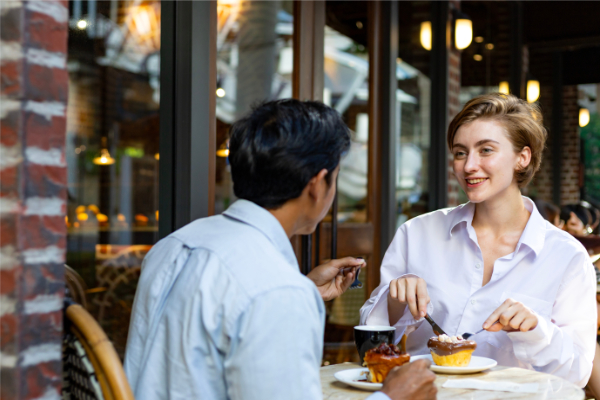
The Parisian mindset is often perceived from the outside as confident, critical, even hard to approach. When you observe it over time, you understand that it rests less on a desire to stand out than on a particular way of relating to ideas, to others, and to the world. In Paris, thinking, speaking, and debating are part of daily life.
With experience, you see that opinion is valued, but never in a raw form. What matters is not only what you think, but how you express it. An idea gains credibility when it is stated with precision, measure, and good timing. Volume, insistence, or repetition adds little to its value.
Parisian conversations can be animated and contradictory. Disagreement is common and accepted. It is not necessarily treated as conflict, but as a space where intelligence is built through tension. Knowing how to argue without crushing, to contradict without humiliating, is part of what is socially respected.
Over time, you notice that listening plays a central role. The person who speaks endlessly, without attention to others, often weakens their own position. The person who can reformulate, make an unexpected connection, or allow silence to do part of the work gains authority without forcing it.
This mindset also explains a suspicion toward overly demonstrative attitudes. Excessive self-promotion, loud certainty, or visible hunger for admiration is rarely well received. In Paris, trying too hard to shine often ends up hiding what you want to show.
The relationship to money illustrates this logic well. Wealth is perceived as information more than status. What impresses more is taste, humor, cultural awareness, and conversational ease. Daily rituals act as social equalizers, pulling everyone back toward a shared normality.
Of course, this norm is neither universal nor perfectly respected. Some dominate conversations, others prefer silence. These contrasts are part of Paris. The city does not demand constant brilliance, but a certain justness in how much mental and social space you take.
Over time, you understand that this mindset is not chasing intellectual performance. It values relation, nuance, and the ability to exist among others without overpowering them. In Paris, thought is alive when it circulates, not when it imposes itself.
In Paris, culture is not seen as a separate domain reserved for museums, concert halls, or special occasions. When you observe the city over time, you understand that it is part of the ordinary landscape, alongside streets, cafés, and conversations. It is not only visited—it is lived, often without being named.
With experience, you see that art and beauty are integrated into how the city is inhabited. They appear in modest details: light on rooftops at the end of the day, the rhythm of a sentence overheard on a terrace, the way a waiter sets down a plate without thinking. None of this is spectacular, but it all reflects an attentive relationship to the world.
This culture of attention is learned over time. It is not academic knowledge or elite references, but the ability to notice, compare, and feel nuance. Paris encourages this through its architecture, the density of its history, and the variety of its forms. Those who look closely discover that almost nothing is entirely neutral.
Parisian culture is often mistaken for elitism. On the ground, it looks more like proximity. Books are read on the metro, exhibitions are discussed at cafés, music drifts from open windows. Art circulates freely, without heavy staging, and anyone can participate in their own way.
Of course, attention is not constant. Busy days, fatigue, and screens pull the gaze away. Sometimes Paris becomes only a functional backdrop. These moments are part of contemporary life. But even then, the possibility of beauty remains in the background.
Over time, you understand that culture here is not an accumulation of knowledge, but a disposition. It asks less for mastery than for presence. The person who allows their gaze to slow down, even briefly, discovers a city that reveals itself without ever fully giving itself away.
In Paris, culture is not a luxury. It is a way of respecting daily life, other people, and time itself. It does not try to impress. It simply invites attention.

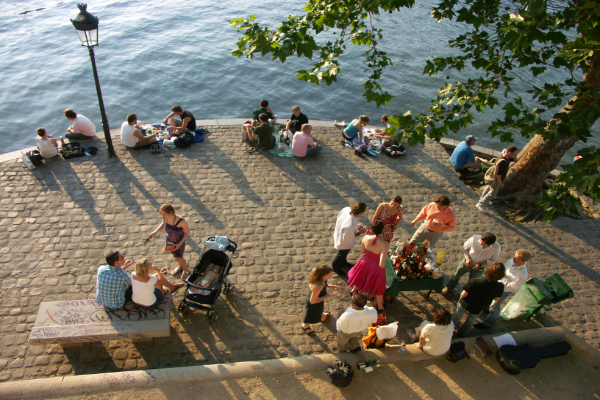
In Paris, the idea of balance is often mentioned but rarely explained. When you observe daily life over time, you understand that balance is not about removing tension or achieving constant harmony. It is a capacity to let opposite forces coexist without needing to resolve them.
Parisians are often described as reserved, even distant. That reading is incomplete. With experience, you see that they feel things intensely, but they place great importance on how those emotions are expressed. Intensity is not denied; it is contained. What is valued is not lack of emotion, but mastery.
This restraint shows up in many areas. Conversations can be passionate without becoming loud. Disagreements can be deep without turning aggressive. Emotion is present, but framed. That frame allows exchanges to remain alive without becoming overwhelming.
Over time, you understand that this posture is not rigid control, but a choice of selection. Not everything must be expressed immediately. Not everything needs to be made visible. That selection creates space, nuance, and room for interpretation rather than demonstration.
In love as in work, this search for balance is constant. Commitment is real, sometimes strong, but accompanied by a refusal to dissolve entirely into a single sphere. Work matters, but it is not meant to consume life. Relationships are deep, but they respect personal sovereignty.
Of course, this balance is fragile. It breaks sometimes. Some days emotion spills over. Other days distance becomes too great. These shifts are part of reality and remind us that the ideal is never perfectly achieved.
But even when balance falters, the reference remains. The idea that you can feel intensely without losing form, be engaged without excess, stays deeply rooted. In Paris, balance is not neutrality. It is a way of inhabiting intensity without being swallowed by it.
What defines Parisian essence cannot be reduced to a single attitude or a clear set of rules. When you observe Parisians over time, you understand that this essence lies in an ability to live comfortably with contradiction, without trying to hide it or resolve it. Being proud and critical, independent yet deeply connected, intense without excess, belongs to this fragile equilibrium.
With experience, you see that the coexistence of opposite traits is not treated as a problem. It is accepted as normal life. Paris does not seek perfect coherence. It tolerates ambiguity, tension, and paradox. That tolerance allows people to exist without rigid self-definition.
Humor plays an essential role in that dynamic. It is not loud or performative, but a discreet, often dry irony that creates distance without disengaging. Laughing at oneself, at the world, at the city itself keeps seriousness from becoming heavy and maintains intellectual lightness.
Passion in Paris is real and sometimes vivid. Discussions about books, films, politics, or food can be long, precise, and animated. Yet intensity is applied selectively. The same person capable of fierce debate can later savor a simple moment in silence without needing more.
Over time, you understand that what is valued is not accumulation but presence. Having more, showing more, living louder is not the goal. What creates charm is how fully someone inhabits a moment—how attentively they listen, observe, and respond with justness.
This essence rarely appears in spectacular form. It reveals itself through modest, repeated details: a brief but precise exchange, attention to a gesture, a remark placed at the right time. Taken alone, these moments can seem insignificant. Together, they create lasting attachment to the city.
In Paris, being Parisian is not playing a role or matching an image. It is a sensibility—a way of being in the world that favors presence, nuance, and relation over performance. It is discovered gradually, as you accept the city without trying to simplify it.
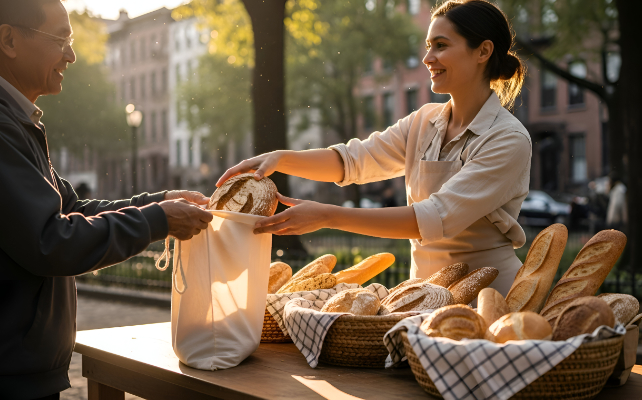
The Price of Imperfection
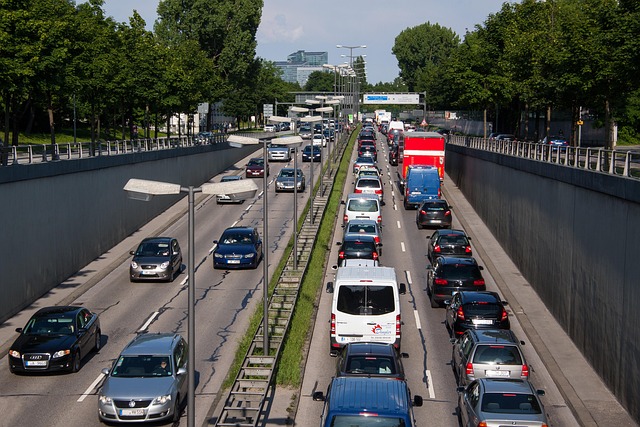
To truly understand Parisian attitude, it is essential to look at its rough edges as well. The qualities described so far never come without a cost. What can be perceived as elegance, restraint, or lucidity often comes with impatience, sharpness, and a certain hardness in exchanges. These traits are not anomalies. They are part of the balance.
With experience, you see that fatigue is central. Living in a dense, noisy city under constant stimulation creates a near-permanent state of alert. Crowds, queues, delays test nerves quickly. In that context, patience becomes a limited resource, even among those who value civility.
Parisian grumpiness is often misread. It is usually not directed at a person, but at a situation. A slow step at the wrong moment, a badly timed hesitation, an unnecessary blockage can trigger reactions that seem disproportionate from the outside. On the ground, you understand that this is less hostility than saturation.
Complaining is also part of the landscape. Parisians complain about the weather, the metro, prices, politics, Paris itself. This habit is often read as negativity. With distance, you see it as involvement. Complaining means caring enough to comment. Silence would suggest indifference—and that would feel worse.
Suspicion is another recurring trait. Big smiles, excessive enthusiasm, visible promises are met with reserve. This suspicion is not hostility. It works as a filter. Paris has learned over time that what insists too much often wants something.
There is also a form of snobbery, which would be dishonest to deny. But it is less about hierarchy than about discernment. Carelessness, intellectual laziness, and obvious pretension are judged more harshly than lack of money. In Paris, effort matters, even when it is discreet.
Relational distance can also be confusing. Trust is not immediate. It is built slowly. Once established, it tends to be solid and lasting. Parisian relationships take time, but they rarely dissolve without reason.
These flaws give Paris its texture. Smoothing them out would make the city easier on the surface, but also emptier. Irritation, critique, and resistance keep Paris from becoming decorative. They remind us the city is alive, inhabited, and full of real tensions.
The Final Word — The Soul of the City
To love Paris is not to idealize it or ignore its rough edges. It means accepting its people as they are, with their contradictions, pride, fatigue, and sharp sense of irony. The city is not trying to be pleasant all the time. It is trying to stay alive, and that demands a certain intensity.
Over time, you understand that behind many closed expressions lies an attentive sensitivity, and behind dry remarks there is often a fine humor sometimes discreet, sometimes biting. Parisians sigh, complain, doubt everything, and sometimes look irritated by the mere presence of others. These reactions are part of how they move through a city that constantly demands attention and energy.
Paris is made of contradictions, and it does not hide them. It can be elegant and chaotic, impatient and deeply romantic, distant and unexpectedly warm. It tests your nerves, then rewards your patience, often through something small, sometimes on the very same day.
The soul of the city is not only in its monuments or cultural institutions. It lives in cafés where conversations last longer than planned, in streets heavy with history that you cross without thinking, and in everyday gestures that go unnoticed but structure collective life.
These ordinary moments create attachment. A waiter who remembers an order. A stranger who helps without comment. A phrase exchanged with perfect timing. Nothing spectacular, yet everything matters.
Being Parisian is not performing a role or adopting a pose. It is an attention to nuance, an ability to live intensity without overexposure, and a seriousness tempered by self-mockery. It is walking a little slower sometimes, looking a little longer, and taking things seriously without ever taking yourself too seriously.
Paris is not perfect. It is demanding, contradictory, and sometimes exhausting. But it is deeply alive. When you stop expecting an idealized image and accept its character, something changes. The city does not ask to be admired. It asks to be understood.
And those who accept that invitation rarely leave indifferent.
References & Inspirations
This text is grounded in long-term, on-the-ground experience and resonates with a broader tradition of reflection on urban life and everyday practices. It echoes, among others, the work of Georg Simmel (The Metropolis and Mental Life), Michel de Certeau (The Practice of Everyday Life), Erving Goffman (Interaction Ritual), and Georges Perec (An Attempt at Exhausting a Place in Paris).
Texte : VG Paris Webservices – Photos : Adobe stock / Pixabay
RECOMMENDED BY