
Please note that all tips, observations, and cultural insights shared here reflect personal experience and general guidance. They do not represent every Parisian or every situation. These suggestions are meant to help travelers, not to generalize or speak on behalf of the entire population.
Paris Transportation

From Airports:
A private chauffeur is the most comfortable, secure, and efficient option for most travelers. Your driver waits regardless of delays, assists with your luggage, and takes you directly to your hotel in a licensed and insured vehicle. This service is especially recommended for families, elderly passengers, travelers with several suitcases, or anyone who simply wants to avoid stress after a long flight.
However, it is essential to book with a licensed and verified company. In Paris, many unlicensed drivers operate illegally and without insurance, and some are even stopped by police at the airport. To protect yourself, always check that the company has a real website, a valid VTC transport license, a business address, and a phone number you can call. A legitimate chauffeur will provide the vehicle model, the driver’s name, and meet you only after Customs. If anything seems unclear or too cheap to be true, it is safer to choose another company.
Private Chauffeur (Recommended)
- Driver waits with a sign in the arrivals hall.
- Flight monitored in real time.
- Door-to-door service.
- Ideal for families, seniors, groups, heavy luggage.
- Must be booked with a licensed, insured company.
- Avoid unlicensed drivers — no insurance, risk of police control.

Private Chauffeur Service in Paris Prices and Long-Distance Recommendations
A private chauffeur in Paris offers far more comfort, safety, and reliability than taxis or ride-share services, and the pricing generally reflects the level of service provided. For trips within the city, the price depends on distance, time of day, and the duration of the booking. In most cases, a private ride inside Paris costs between €65 and €120, depending on the route and the traffic. Shorter transfers, such as moving between central districts, tend to remain in the lower range, while evening transfers, heavy-traffic hours, or pickups on the outskirts of Paris can be slightly higher. When the chauffeur is booked by the hour, the typical rate ranges from €60 to €90 per hour, with a minimum number of hours depending on the company.
For long-distance travel, a private chauffeur becomes an excellent alternative to trains or rental cars, especially when traveling with family, heavy luggage, or when seeking comfort and flexibility. A professional chauffeur can take you directly from your hotel to destinations such as Normandy, Caen, or Deauville without any stress, delays, or transfers. The vehicle is private, comfortable, and fully insured, and you travel at your own rhythm with the possibility to stop along the way.
A trip from Paris to Deauville generally costs between €350 and €450, depending on the season and the number of passengers. The journey to Caen typically ranges between €420 and €550, as it is longer and may involve additional highway tolls. For other destinations in Normandy such as Honfleur, Bayeux, or the D-Day landing beaches prices usually fall between €400 and €650, depending on distance and whether you want a round-trip in the same day or only a drop-off.
Travelers often underestimate how tiring long drives can be after a full day of sightseeing or a long flight. Renting a car may seem appealing at first, but driving on unfamiliar roads, dealing with fatigue, and navigating in another country greatly increases the risk of an accident. For this reason, many travelers prefer to leave the driving to a professional. A private chauffeur allows you to relax, enjoy the scenery, and arrive directly at your destination without stress.
For long-distance journeys, a chauffeur is also more flexible than a train. You can choose your departure time, make stops along the way, travel with luggage of any size, and enjoy a door-to-door service that no public transport can offer. This is particularly valuable when traveling to rural areas, where train stations are far from hotels and taxis are scarce.
In summary, whether you are moving within Paris or traveling to destinations such as Caen or Deauville, a private chauffeur offers comfort, safety, flexibility, and peace of mind. The additional cost is often balanced by the convenience and the quality of the service, especially for families, groups, or travelers seeking a smooth and enjoyable experience.

From Airports:
Paris taxis are now strictly regulated by the French government to protect passengers and prevent unauthorized drivers from operating at the airport. Thanks to these regulations, official taxis provide fixed fares, full professional insurance, and a consistent, reliable service for travelers arriving at Charles de Gaulle or Orly.
A real Paris taxi is easy to identify. It has a roof light, which turns on when the vehicle is available and off when it is occupied. It also displays a visible license number and contains a taximeter inside the vehicle. Most importantly, official taxis wait exclusively at the designated taxi stand outside the terminal. Any individual approaching you inside the airport to offer a taxi ride is not an official driver and should be avoided, as unauthorized taxis often charge unpredictable prices and may not have proper insurance.
After you exit Customs, you simply follow the signs leading to the “Taxi Officiel / Official Taxi” line. Joining this queue ensures that you board a legal and insured taxi while paying the official fixed airport fare. From Charles de Gaulle Airport, the price to the Right Bank is €55, while the fare to the Left Bank is €62. These fixed prices apply to standard taxis, which typically accommodate two or three passengers depending on the amount of luggage.
Larger groups or travelers carrying significant luggage should be aware that not all taxis can take four passengers. In such cases, you may need to wait for a large-capacity taxi, which is less common and may legally apply an additional supplement. For families or travelers with many bags, reserving a private van in advance is generally easier, faster, and sometimes even more economical than waiting for a large taxi.
Although regulated, misunderstandings or attempts to overcharge can occasionally occur. If at any moment the fare seems incorrect, the simplest solution is to calmly state that you know the official fixed airport price. This usually resolves the situation immediately and encourages the driver to follow the legal fare.
At the end of your ride, you have the right to request a printed receipt. This document must include the driver’s name, the taxi registration number, the vehicle’s license plate, the date and time, the route you took from the airport to your hotel, and the total fare paid. If necessary, this receipt can be shown to your hotel or to the local police, who are able to verify whether the taxi complied with the official rules.
Official taxis remain a safe and straightforward choice for travelers who prefer not to book in advance and wish to go directly from the airport to their hotel with regulated pricing and professional service.
Official Taxis
- Fixed fares from CDG:
- €55 to Right Bank
- €62 to Left Bank
- Only take taxis from the official taxi line.
- Avoid anyone offering “Taxi” inside the terminal — they are illegal.
- Most taxis carry 2–3 passengers max with luggage.
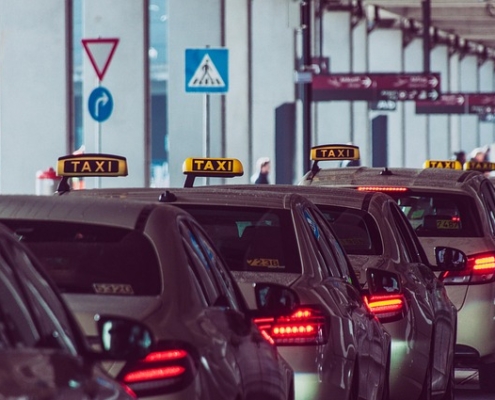
Official Paris Taxis, How They Work in the City and What You Should Know
Official taxis in Paris are a regulated and reliable way to move around the city. They operate under strict rules set by the French government, which ensures transparent pricing, professional insurance, and a controlled level of service. For travelers unfamiliar with Paris or those who prefer a simple and direct mode of transport, taxis remain one of the most convenient options available.
Recognizing an official Paris taxi is straightforward. Every legitimate vehicle displays a roof sign marked “TAXI” that lights up when the car is available and turns off when it is occupied. Inside the vehicle, a taximeter calculates the fare in real time according to the legal tariff, and the driver’s professional license number must be clearly visible. If a car stops without a meter or without the “TAXI” roof sign, it is not an official taxi and should be avoided. Only licensed taxis have the right to operate legally in Paris and to carry passengers within the city and from airports.
Hailing a taxi in Paris is simple when the roof light is on. You may also find them at official taxi stands located near major attractions, shopping areas, hotels, train stations, and large avenues. During peak hours, rainy weather, or late at night, availability may be more limited, but Paris generally offers good taxi coverage. Many travelers also choose to call a taxi company or use official apps, which allows the vehicle to meet them at a precise location and avoids waiting in the street.
Taxi pricing in Paris follows a regulated system. The meter starts with a fixed fee, then increases depending on distance and time spent in traffic. Most journeys within central Paris fall between twelve and thirty-five euros. Short trips in the same neighborhood may cost around ten to fifteen euros, while crossing the city especially during busy periods—may reach twenty-five to thirty-five euros or slightly more. Evening rides, Sundays, and public holidays apply a higher tariff, as defined by law, but the pricing remains transparent and consistent. Traveling to the outskirts of Paris, such as La Défense, Issy-les-Moulineaux, or Vincennes, often costs between thirty and fifty euros depending on distance and time of day.
Certain situations may increase the fare modestly, such as transporting multiple passengers, additional luggage, or traveling late at night, but these supplements are strictly regulated and displayed inside the taxi. Unlike ride-share apps, which may raise prices dramatically during peak periods, taxis follow fixed tariffs regardless of demand. This is reassuring for travelers who want predictable pricing.
As in any large city, a few precautions help ensure a smooth journey. Passengers should always enter the taxi once it has fully stopped and keep personal belongings close to them. If the driver appears to take a longer route or if the fare seems unusual, a simple reminder that you are familiar with the regulated pricing usually resolves the situation immediately. Taxi drivers are accustomed to international visitors, and most operate professionally and honestly. Still, if any doubt remains, you have the right to ask for explanations at any time.
At the end of the ride, passengers may request a printed receipt. This document contains the date, time, distance, route, total fare, the taxi number, and the vehicle’s license plate. It is particularly useful for business travel, reimbursement, or in rare cases where a complaint must be made. Hotels or local police can verify a taxi’s compliance using this receipt.
Official taxis also offer a reassuring option at night. When public transport becomes less frequent or stations feel less comfortable, taxis provide a safe and direct alternative to return to your hotel. Families with children, elderly travelers, or visitors unfamiliar with the Metro often prefer taxis in the evening for their security and simplicity.
Although ride-share services such as Uber and Bolt are widely used in Paris, taxis remain highly competitive. They may even be faster or cheaper than ride-share vehicles during peak demand, and they offer the advantage of regulated pricing that does not fluctuate unpredictably.
In summary, official Paris taxis provide a safe, legal, and convenient way to travel across the city. Understanding how to recognize them, how fares work, and how to request a receipt ensures a smooth and pleasant experience. Whether you need to cross Paris, return to your hotel late at night, or travel with luggage or children, taxis remain one of the city’s most reliable and traveler-friendly transportation options.
Typical Taxi Prices Within Paris
The price of a taxi ride inside Paris varies depending on distance, traffic, and the time of day. In most situations, a standard journey within central Paris costs between €12 and €35. Short rides within the same neighborhood tend to remain around €10 to €15, while crossing the city from one arrondissement to another such as going from Montmartre to the Eiffel Tower or from the Marais to Montparnasse—often falls between €20 and €30. During heavy traffic, evening hours, weekends, or public holidays, fares may increase slightly, but even then, most rides remain in the €15 to €40range.
Trips to or from the outer districts or the edges of Paris, such as La Défense, Vincennes, or Issy-les-Moulineaux, typically cost between €30 and €50, depending on traffic conditions and the starting point. These prices remain consistent and predictable thanks to the regulated taximeter, which ensures that passengers are charged according to the official tariff and not according to demand, unlike ride-share services.
This pricing structure helps travelers plan their journeys with confidence and prevents unexpected surprises when moving around the city.
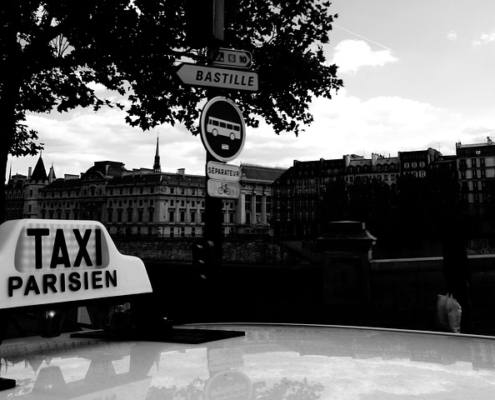
From Airports: What You Should Know
Ride-share services such as Uber and Bolt are widely used in Paris and can be convenient for travelers who are already familiar with the apps. However, their use at the airport is more complicated than many visitors expect. Unlike private chauffeurs or official taxis, Uber drivers cannot wait directly at the arrivals area. Passengers must walk to designated pick-up zones, which are sometimes located far from the terminal and can be difficult to find when you are tired or carrying luggage.
Additionally, the situation at the airport can occasionally become tense. Some rideshare drivers have experienced conflicts with certain taxi drivers who feel that Uber vehicles are encroaching on their official operating space. While this does not happen every day, these tensions can make the pick-up atmosphere uncomfortable or chaotic, especially during busy hours. In some cases, Uber drivers prefer to rush the pick-up or ask passengers to meet them at a less visible location to avoid confrontation, which is not ideal for travelers unfamiliar with CDG or Orly.
Because of these operational difficulties, using Uber or Bolt upon arrival may involve extra walking, confusion with meeting points, longer waiting times, or uncomfortable situations between drivers. For this reason, although ride-share services work well in central Paris, they are not always the easiest or most relaxing option at the airport, particularly after a long-haul flight or when traveling with family and luggage.
If comfort, simplicity, and safety are priorities, a pre-booked private chauffeur or an official taxi is usually a much smoother experience for airport arrivals.
Uber / Bolt / Ride-Share
- Convenient for solo travelers.
- Price varies with demand (surge).
- Pick-up zones may require walking.
- Cars vary in space — not ideal for heavy luggage.
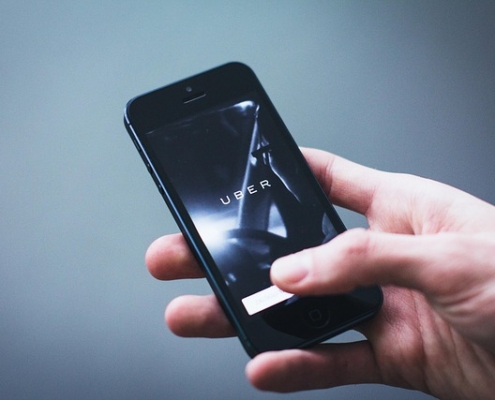
Uber and Bolt in Paris, Complete Guide for Travelers
Uber and Bolt are widely used in Paris and have become popular alternatives to taxis for moving efficiently between different parts of the city. During daytime hours, these services operate smoothly, especially in central districts such as the Marais, Saint-Germain, Montmartre, or near major landmarks. In most cases, waiting times are short and the vehicles arrive quickly, which makes ride-share apps convenient for casual urban travel.
The price of an Uber or Bolt ride varies depending on demand, traffic conditions, and time of day. When the city is quiet, a typical journey inside Paris usually costs between €10 and €25. This is comparable to, or occasionally cheaper than, an official taxi. However, because pricing is dynamic, fares can rise sharply during rush hours, rainy weather, major events, or late at night. A ride that normally costs €15 can suddenly reach €40, €50, or even more when surge pricing is activated. For this reason, passengers should always check the fare estimate before confirming the trip.
The level of comfort depends largely on the driver and the type of vehicle. Some rides are exceptionally clean and pleasant, while others can feel more basic. Communication may be easy when the driver speaks English, although this is not guaranteed. Despite these variations, most rides remain smooth, and the GPS-guided route shown on the app provides transparency throughout the journey.
One of the major advantages of Uber and Bolt is the convenience of app-based booking. Payment, route details, and pick-up locations are managed directly on the app, eliminating the need for cash or interaction with meters. The apps also allow travelers to choose their exact drop-off point, which is particularly useful in narrow Parisian streets where taxis cannot always stop.
Both Uber and Bolt have recently expanded their service by allowing passengers to request a female driver, when available. This option is especially appreciated by women traveling alone, families with teenagers, or anyone who feels more comfortable with a female chauffeur. Availability depends on how many female drivers are connected at a given moment, but the feature reflects the growing demand for safer and more personalized travel experiences.
There are, however, limitations. In dense urban areas, drivers cannot always stop directly in front of a building because of bike lanes, bus lanes, and pedestrian restrictions. They may ask passengers to walk a short distance to a safer pick-up zone. This is usually manageable during the day, but it can become inconvenient when carrying luggage or navigating unfamiliar neighborhoods.
It is also important to address nighttime use. Although Uber and Bolt work well during the day, these apps are not recommended late at night. Over recent years, some passengers have reported uncomfortable or problematic situations with certain drivers. While these cases remain rare, they highlight potential risks such as drivers refusing short trips, pressuring passengers to cancel and pay in cash, behaving inappropriately, or asking passengers to meet them in darker, isolated areas to avoid police checks. Combined with the fact that nighttime surge pricing can push fares to €40, €60, or more, using Uber or Bolt after midnight can become both expensive and stressful.
For nighttime travel, official taxis or private chauffeurs offer a far more reliable and secure option. They are professionally regulated, insured, and authorized to pick up passengers directly at their hotel or restaurant without requiring them to walk through isolated streets.
In summary, Uber and Bolt provide a modern, flexible, and often cost-effective way to move around Paris, particularly between €10 and €25 during low-demand hours. However, due to dynamic pricing, inconsistent vehicle quality, complicated pick-up locations, and the occasional risk of nighttime issues, they should be used with awareness. For maximum safety and comfort especially late at night official taxis or private chauffeurs remain the recommended choice.
From the Airports :
Public transportation from the airport, such as the RER B, the Orlyval, or airport buses, is often considered the cheapest way to reach Paris. For experienced travelers carrying only a small bag, it can work reasonably well. However, for most visitors arriving in Paris especially after a long flight, with luggage, children, or elderly relatives public transport is usually the most complicated, tiring, and stressful option.
The RER B train from Charles de Gaulle Airport costs €13 per person, which is attractive compared to taxis or private transfers. In theory, the journey to central Paris takes around 35 minutes, but in practice, travelers often face several challenges. Stations along this line are large, crowded, and sometimes confusing, with long corridors and numerous stairs. Ticket machines can be difficult to use, especially when they reject foreign credit cards, which happens frequently. Even after boarding the train, passengers must remain extremely vigilant, as pickpockets are particularly active on the RER B, especially between CDG and Gare du Nord.
Orly Airport offers the Orlyval, a small automated train that connects the airport to the RER B at Antony station. The combined Orlyval and RER B trip costs approximately €14.50 per person and requires changing trains, which can be uncomfortable with multiple bags or children. Although the Orlyval itself is easy to use, the transfer at Antony often surprises travelers who do not expect stairs, crowded platforms, or the need to navigate a second ticket control area.
Airport buses such as Roissybus or Orlybus provide a more comfortable environment with luggage space. The Roissybus from CDG to Opéra costs €16.50 per person, while the Orlybus from Orly to Denfert-Rochereau costs €11.20. However, these buses depend heavily on road traffic, and during rush hours, journeys can take significantly longer than expected. Once the bus arrives in Paris, travelers must still use the Metro or walk to their hotel, often while carrying heavy suitcases.
We often hear stories from tourists who chose public transport to save money but ended up regretting it. One family told us they needed nearly four hours to reach their hotel from CDG due to difficulties buying tickets, confusion with directions, and the physical effort of carrying luggage through crowded stations. The experience was so stressful that they booked a private transfer for their return to the airport.
For these reasons, public transport is best suited for travelers who know Paris well, travel very light, and arrive during daylight hours. It is not recommended for families, elderly passengers, visitors with more than one suitcase, or anyone who wants a calm and safe arrival. At night, public transport should generally be avoided because the surroundings can feel less secure and trains run less frequently.
In summary, while public transportation remains the cheapest option, it is rarely the most comfortable or practical for airport arrivals. For most visitors, especially those with luggage or children, an official taxi or a private chauffeur offers a far smoother and safer beginning to their stay in Paris.
are convenient for travelers with light luggage, though pick-up zones can involve walking and prices vary with demand. Public transport, particularly the RER B train from CDG, is the cheapest option but also the most challenging. It involves long corridors, stairs, busy platforms, and a high pickpocket risk. Many tourists regret taking the RER with luggage, children, or fatigue.
Airport buses like Roissybus or Orlybus offer a compromise but remain dependent on traffic and require additional transport to reach your hotel. Renting a car is only advisable if you plan to leave Paris.
In the end, the right choice depends on your group size, luggage, arrival time, and familiarity with Paris. Families, elderly travelers, and anyone with suitcases typically prefer a private chauffeur. First-time visitors benefit from taxis or chauffeurs. Solo travelers may choose Uber or daytime public transport. At night, taxis or private chauffeurs are the safest options.
A smooth arrival sets the tone for your entire stay in Paris, and choosing the right transport is the first step toward a pleasant, stress-free visit.
Public Transport (RER B / Orlyval / Buses)
- Cheapest option.
- Not recommended with luggage, children, elderly travelers.
- RER B: crowded, complex, pickpocket risk.
- Many travelers report long, stressful journeys.
- Suitable only for light, experienced travelers during daytime.
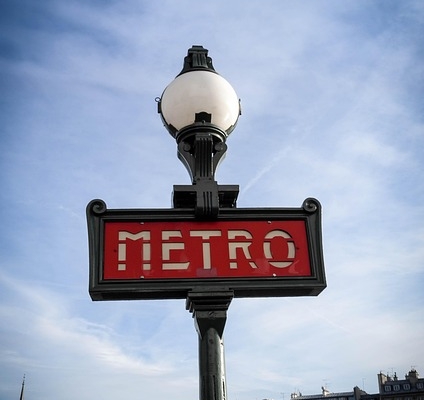
Public Transport in Paris (RER, Métro, Buses) How It Really Works for Visitors
Public transport is one of the defining features of daily life in Paris. The city has an extensive network of Métro lines, RER trains, buses, and trams that allow residents and visitors to reach almost every neighborhood quickly and at a reasonable cost. For many travelers, the Paris Métro is the easiest way to move between tourist sites, especially during the day, although it comes with certain challenges and precautions that visitors should be aware of.
The Paris Métro is usually the fastest method of getting around the city. Trains run frequently, often every two to four minutes, and the network connects the main attractions such as the Eiffel Tower, the Louvre, Montmartre, Notre-Dame, and the Latin Quarter. A single ticket costs €2.15 and can be used on the Métro, buses, trams, and some RER trips within Zone 1. Travelers who plan to use public transport several times during the day often prefer the “Ticket t+” booklet or a day pass such as the Navigo Easy, which is simple and more economical for multiple trips.
However, although the Métro is efficient, it is not always comfortable for tourists. Many stations involve stairs rather than elevators, making them difficult for families with strollers, elderly travelers, or anyone carrying heavy bags. During peak hours, trains can become extremely crowded, especially on lines 1, 4, 8, 9, and 13. Visitors should also remain attentive to their belongings, as pickpockets are active in crowded trains and stations. Keeping your phone, wallet, and personal items in a closed pocket or a secure bag is essential.
The RER is another important part of the public transport system. Within central Paris (Zone 1), the RER functions like a faster version of the Métro and is especially useful for longer distances, such as traveling between central Paris and La Défense or between the Latin Quarter and the suburbs. RER trains also serve major attractions such as Disneyland Paris (RER A) and the Palace of Versailles (RER C). These journeys require special tickets because they leave Zone 1. For example, a RER ticket to Versailles costs €4.45 each way, and the fare to Disneyland is €5.25 per person. The RER is efficient, but the platforms are larger and sometimes more confusing for visitors, and the same vigilance regarding pickpockets applies.
Buses in Paris offer a more scenic and relaxed way to travel. They allow passengers to enjoy the city views and stop closer to many attractions than the Métro. A bus ticket also costs €2.15 and is valid for transfers within the bus network. However, buses are slower during heavy traffic, and navigating the bus lines can be more complex for first-time visitors. They are ideal for short distances, daytime travel, and travelers who want to enjoy the city without descending into the Métro tunnels.
Public transport remains a practical, affordable, and fast option for visitors who already know Paris or who travel light. However, for travelers with heavy luggage, families with young children, or those who prefer more comfort and security, a taxi or private chauffeur will offer a smoother experience. At night, when some stations become quieter and trains run less frequently, many travelers prefer taxis or chauffeured cars for safety and convenience.
In summary, public transport is an excellent tool for discovering Paris when used at the right time and in the right conditions. The Métro is fast and inexpensive, the RER connects the city to major attractions, and buses offer a pleasant way to enjoy the streets of Paris. By remaining attentive to your belongings and planning your routes in advance, you can use the network efficiently and make the most of your stay in the city.
Why We Do Not Recommend Taking the Metro After 10 PM
Although the Paris Métro is efficient during the day, it becomes a very different experience late in the evening. After 10 PM, trains run less frequently, stations become quieter, and platforms are sometimes poorly supervised. This combination can make some travelers feel uncomfortable, especially those who are visiting Paris for the first time, families with children, or anyone unfamiliar with the transport network. In addition, certain stations attract groups of people who may behave unpredictably, and isolated platforms can create an atmosphere that is not ideal for tourists.
Pickpocket activity, which is already present during the day, can become even more noticeable at night because travelers are tired and less attentive. Some lines, particularly those passing through busy nightlife districts, may also experience disturbances from passengers under the influence of alcohol. While these situations do not happen every day, they occur frequently enough that we strongly advise choosing a safer option after 10 PM.
For evening outings, restaurants, or returning to your hotel after dark, official taxis or private chauffeurs provide a much more secure and comfortable solution. They offer direct service, no waiting time in underground stations, and the reassurance of a licensed, insured driver who picks you up exactly where you are.
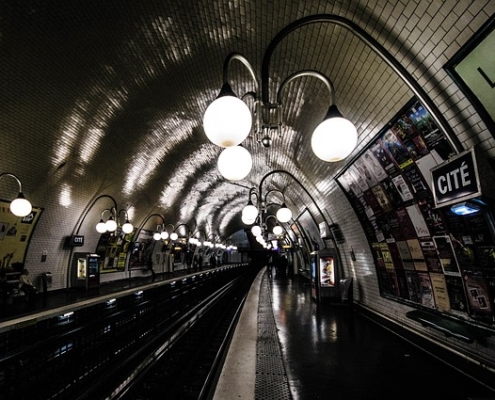
Paris offers an exceptional variety of transportation options, from the Métro and buses to taxis, ride-share services, and private chauffeurs. Each solution has its advantages and limitations, and the best choice always depends on the time of day, your luggage, your travel experience, your comfort level, and the purpose of your trip. Our goal is not to tell you which option to choose, but to give you the knowledge to select the one that truly suits your needs.
Public transport is fast and economical during the day, but becomes less comfortable and secure late in the evening. Taxis provide a simple and regulated way to travel at any hour, especially when returning to your hotel after dinner or a night out. Ride-share apps like Uber and Bolt can be practical and affordable, but their prices vary significantly, and nighttime pick-ups can sometimes feel uncertain. A private chauffeur offers the most comfort, safety, and predictability, whether for airport transfers, long-distance trips, or moving around Paris in complete peace of mind.
Whatever transportation you choose, the most important thing is to stay aware of your surroundings, protect your belongings, and select services that are licensed, insured, and well-established. By following the advice in this guide, you will avoid the common pitfalls and move through the city with confidence.
Paris is a city meant to be enjoyed not endured. With the right information and a bit of planning, your journeys will be smooth, your evenings will be safe, and your time here will be focused entirely on what truly matters: discovering the beauty, culture, and magic of one of the most extraordinary cities in the world.
We wish you a wonderful stay in Paris.
Texte : GV Paris Webservices – Photos : Adobe stock / Pixabay
RECOMMENDED BY