
Please note that all tips, observations, and cultural insights shared here reflect personal experience and general guidance. They do not represent every Parisian or every situation. These suggestions are meant to help travelers, not to generalize or speak on behalf of the entire population.
Paris with Peace of Mind
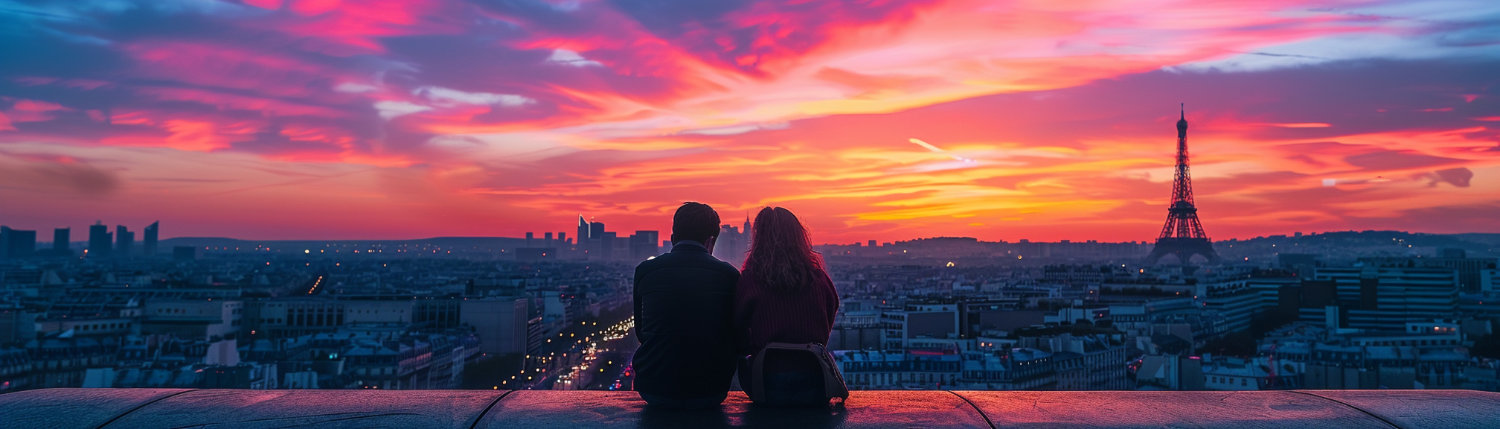
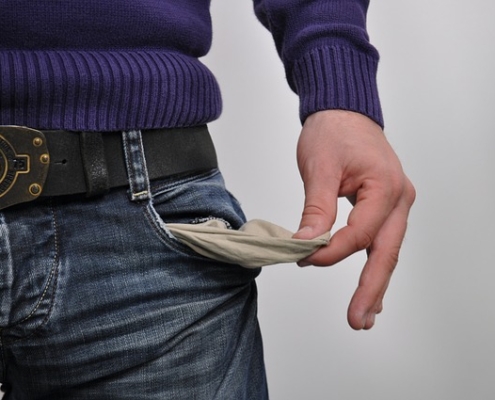
The best way to protect yourself in Paris, as in any major city, is not technical at all. It rests on a simple, almost obvious idea: the fewer valuables you carry, the less you risk losing. Pickpockets have no interest in approaching someone who has nothing visible and nothing easily accessible.
This is why we insist on one essential principle:
never bring your wallet with you.
Traditional wallets are exactly what thieves look for. They contain everything, cash, cards, documents, sometimes even passports. Pickpockets know how to spot them, locate them, and remove them in seconds.
For women, this doesn’t mean avoiding handbags altogether. A small, elegant bag is perfectly fine, as long as it holds only the essentials: a bit of cash, one bank card, and perhaps a lipstick or a tissue. Nothing more. Thieves are not interested in personal items; they want only three things: money, phones, and credit cards.
A light bag, worn in front and securely closed, makes their task significantly harder, often impossible.
Yet the most effective secret remains the Parisian way of carrying belongings: inside the front pocket of your trousers or jeans. Pickpockets favor bags, backpacks, and back pockets, which they can access quickly. A card tucked securely into a front pocket becomes almost unreachable. It complicates their technique so much that they immediately move on to another target.
Traveling light transforms vulnerability into strength.
You walk more freely, without fear and without clutter.
And above all, you become naturally uninteresting to pickpockets, because even if they tried something, there would be nothing worth taking.
If you have nothing on you, you have nothing to lose.
And you can finally experience what it truly means to travel in Paris:
freedom, beauty… and peace of mind.
In Paris, as in all major tourist capitals, a few small street scams exist. They are never violent; they rely solely on surprise or distraction. Their only goal is to divert your attention for a few seconds. Once you know how they work, they lose all effectiveness and become almost invisible. They should never prevent you from enjoying the city. Paris remains a safe place, simply a place where being informed gives you a tremendous advantage.
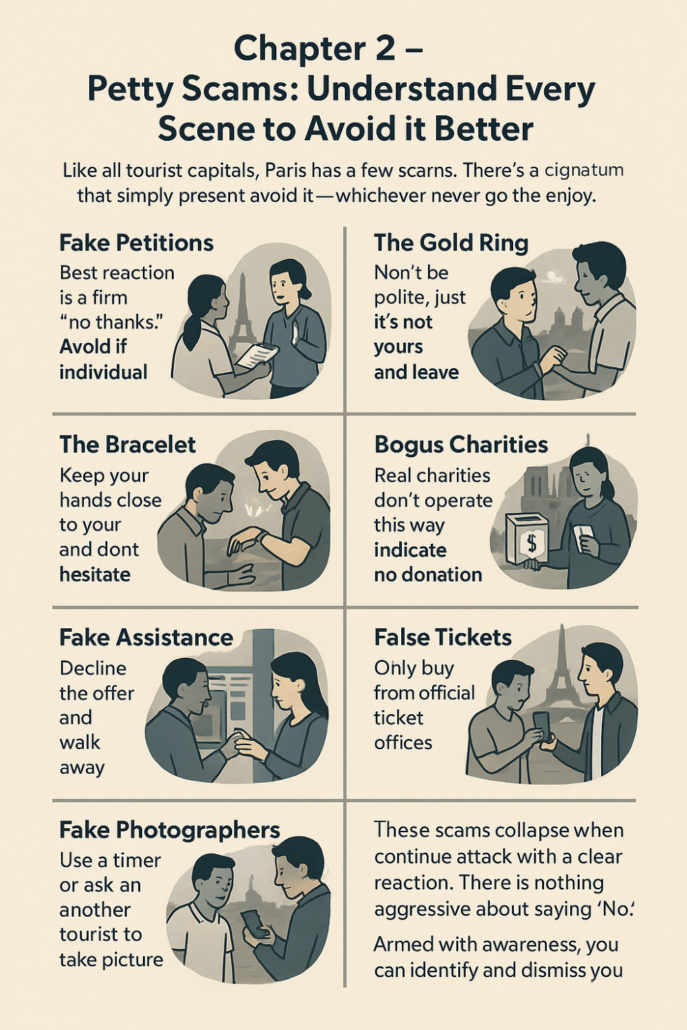
The most widespread scam is the fake petition. Around the Louvre, the Eiffel Tower, or Notre-Dame, a young person may approach you with a clipboard, asking you to sign for a humanitarian cause. While you read the paper, your bag is no longer in your line of vision, and that is when an accomplice may try to open it. Nothing works better than a clear refusal while continuing to walk. A firm “No thank you” almost always ends the attempt. And if the person insists, it is important not to hesitate to raise your voice. A firm and unambiguous “No. It’s no” stops the scene immediately. If someone still tries to hold your attention, stating clearly that you will call the police makes the situation disappear instantly.
The “gold ring” scam is more theatrical. You are walking along the Seine or near the Louvre gardens when someone suddenly bends down in front of you, pretending to pick up a ring they claim to have found at your feet. They insist on giving it to you, then ask for a little money “to eat.” The trick relies entirely on confusion. There is no need to be polite in these situations: simply state that it is not yours and keep walking. If the person follows you, calmly say that you are not interested, then mention that you will inform the police. They vanish immediately. They seek compliant tourists, never confident ones.
Montmartre has its own signature scene: the bracelet scam. Vendors approach and try to grab your wrist to begin weaving a bracelet they claim is a gift. Once the bracelet is tied, they demand payment. The trick relies on speed and surprise. The best protection is keeping your hands close to your body and refusing at the very first gesture. If someone insists, responding firmly and raising your voice if necessary shows immediately that you are not an easy target. Simply saying that you will call the police is enough to end the interaction.
Fake charity collectors play on emotion. Individuals carry transparent collection boxes and claim to represent an association. Their tone is serious, sometimes pressing. In reality, no legitimate French charity operates this way on the streets of Paris. The correct reaction is simple: state that you do not give money in the street and continue walking without stopping.
Another technique relies on false “assistance” in the metro. Someone rushes toward you to “help” with a ticket machine, pressing buttons before you can understand the screen, taking your ticket, trying to see your bank code, or manipulating your change. Simply saying that you do not need help is enough. If they persist, ask them clearly to step back and state that you will call the police if they continue. Metro stations are monitored, and these individuals disappear as soon as they sense confidence.
In busy tourist areas, another common scam is the sale of fake museum or boat tickets “at reduced prices.” These are always fraudulent — sometimes even previously used tickets. In Paris, no authorized vendor sells tickets on the street. They must always be purchased from official counters or trusted websites.
Fake photographers use a different approach. They kindly offer to take your picture, then aggressively demand payment or run off with your phone. To avoid this, simply use your timer or ask another tourist. Fellow travelers are often the most reliable and sincere helpers.
Finally, there are the street games, often called shell games or “three cups.” You may see a small crowd gathered around a rug on the ground, usually near bridges, around the Champ-de-Mars, or near the Trocadéro. An operator moves three cups or three cards, inviting you to guess where the winning piece is. Several accomplices mingle with the onlookers, pretending to win. It is entirely staged. The goal is never to let a tourist win, but to spark curiosity and draw you closer. While you watch, others may take advantage of your diverted attention to reach into your bag or pockets. These games are not only rigged; they serve as bait. There is only one correct response: never stop. Watching from afar may be entertaining, but you should never participate — and never take out your wallet or phone near them.
In all these situations, the principle is the same. Scams work only on tourists who hesitate, slow down, or allow themselves to be surprised. The moment you show firmness and confidence, they collapse instantly. There is nothing aggressive about saying “no,” nothing excessive about raising your voice, nothing unreasonable about announcing that you will call the police if someone refuses to leave you alone. You are simply protecting your peace, and those with bad intentions know it. They avoid people who project confidence and target only those who remain silent.
Once informed, you move through Paris with newfound ease. You recognize the scenes, neutralize them with a single word, and continue your visit without losing a moment. And above all, you discover what experienced travelers all understand: these small scams become insignificant once you know how to avoid them. Paris remains what it should be — a magnificent, vibrant, inspiring city where you can feel free and confident.
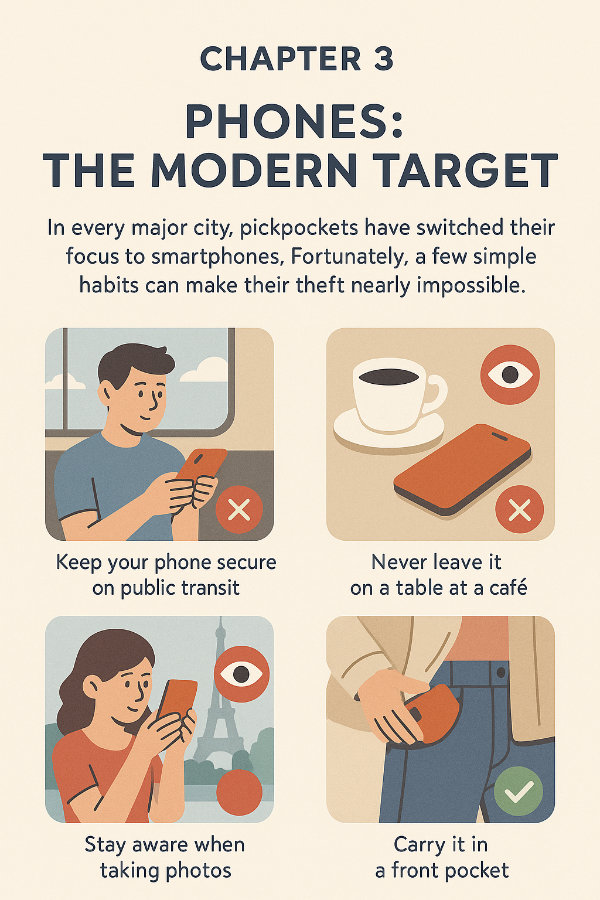
In every major city around the world, pickpockets have evolved with the times. In the past, they focused mainly on wallets. Today, their primary objective is the smartphone. Paris is no exception. A modern phone represents immediate resale value, is easier to handle than a wallet, and is far more discreet to steal. But the good news is simple: with a few smart habits, this type of theft becomes almost impossible.
The most common phone theft occurs in the metro, especially during rush hours. You’re standing or sitting, replying to a message or checking a map, when the doors open. A person standing next to you snatches the phone and runs out onto the platform at the exact moment the doors close. The entire scene takes less than a second. This kind of theft is quick, silent, almost choreographed. It works only because the phone is held loosely, without any protection.
Another variation happens on café terraces, especially open terraces close to the sidewalk. Many travelers place their phone next to their cup without thinking, simply enjoying the moment. It’s universal and understandable. But this gesture attracts attention. A thief passing by can sweep a hand across the table and take the phone without even stopping. In some cases, someone approaches with a fake flyer, places it over your device to distract you, then takes both the flyer and the phone. You only realize it later, when you reach for your device.
Taking photos is another vulnerable moment. When photographing a monument, you’re absorbed by the beauty of the scene, the angle, the light, the pose. You hold the phone in one hand, sometimes at arm’s length. That brief distraction may be enough for someone passing close by to attempt a grab. In Montmartre, at the Eiffel Tower, at Trocadéro, and along the Seine, this happens often because tourists are numerous, their arms raised, and the area is crowded.
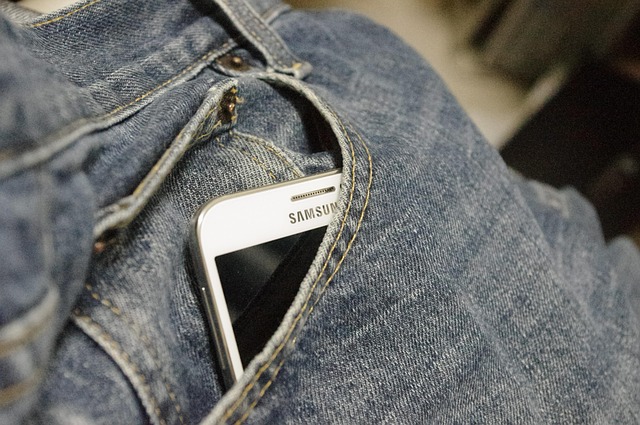
The good news is that the solutions are simple, effective, and extremely easy to integrate into your routine. First, take out your phone only when you truly need it. The rest of the time, keep it stored in an inner jacket pocket or in the front pocket of your trousers or jeans. Back pockets are riskier because they are easy to reach, while front pockets make any attempt much more difficult. Thieves know they will lose time, and they never persist when they feel resistance.
Next: never leave your phone on a table, especially on a terrace. Keep it on you, either in your pocket or in your hand, but never placed next to you, even for a few seconds. In an urban environment, a phone placed on a table is a phone being offered.
When taking photos, hold your device firmly and simply stay aware of the people around you. There is no need to feel anxious, only attentive. A brief glance at those nearby is often enough to deter any attempt. Thieves rely on opportunity; they avoid attentive tourists.
Always activate location features such as “Find My iPhone” or “Find My Device.” This doesn’t restrict your travel experience, but it ensures you can track your device if it’s lost or stolen. Photographing your IMEI number is also a very good idea; this unique code allows the police to register the phone as stolen and block its activation.
It’s equally important never to lend your phone to a stranger. Some individuals pretend they need to make an urgent call, ask for information, or check an address. The moment you hand over your phone, they run. It is always safer to offer to dial the number yourself without letting go of the device.
Parisians themselves follow all these habits. On the metro, they keep their phones close to their bodies and put them away the moment the doors open. On terraces, they don’t leave them on tables. This is not fear; it is simple pragmatism. They know that in a big city, attentiveness is the best protection.
When you adopt the same habits, you become invisible to thieves. You no longer look like a distracted tourist but like a confident traveler accustomed to urban environments. The moment you send that signal, ill-intentioned individuals turn away. They never seek difficulty, they seek opportunity. With these simple reflexes, you give them none.
Traveling in Paris should remain a pleasure. Protecting your phone is only a matter of habit. Once these gestures become natural, you enjoy the city freely, confident that what matters most, your photos, your memories, your documents, and your peace of mind, remains safely in your hands.
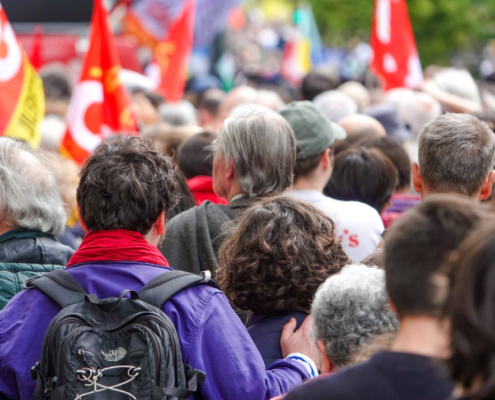
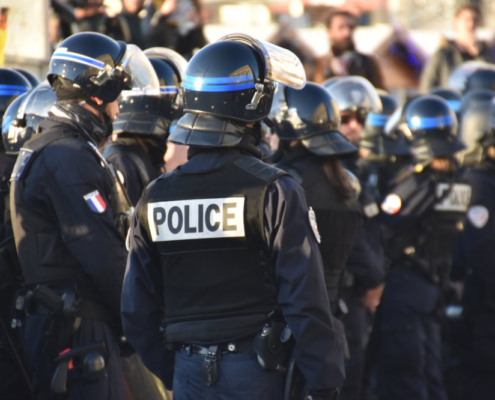
Strikes and demonstrations are part of French culture. They express social debates and political disagreements, but they do not pose a danger to travelers. In Paris, these events are highly regulated, officially declared to the authorities, and monitored by the police. For the French, they are simply part of everyday life. For visitors, they can be surprising at first, but they are not alarming once you understand how they work.
There is one date that is absolutely fixed every year: May 1st, International Workers’ Day. It is the most significant day of demonstrations in France, especially in Paris, where large, well-organized marches typically move between République, Bastille, and Nation. On May 1st, it is completely normal to see major gatherings, temporary road closures, and occasional disruptions in public transport. It is not a dangerous event, but a deeply rooted social tradition.
Another day, less universal but very consistent, is March 8th, International Women’s Rights Day. Every year, this day brings significant demonstrations, often early in the afternoon or in the evening, with large, well-supervised crowds. Paris participates actively, and these gatherings are considered perfectly normal.
In recent years, December 5th has also become a frequent day of national mobilization. Following the major social movements surrounding the pension reforms in 2019, unions often use this symbolic date to call for nationwide strikes. This does not mean that every December 5th will be disrupted, but it is a date that regularly sees action.
Beyond these specific dates, certain periods of the year almost always include one or more national strike days, even though the exact dates vary. Late January often brings the first large strike of the year, as political debates resume after the holidays. March, a key month for reforms, frequently sees at least one major action. Early May, between the 1st and the 15th, can bring additional mobilizations linked to the social calendar. Early September, right after the summer holidays, almost always includes a symbolic nationwide protest, as unions aim to make their voice heard at the start of the year. Finally, October is traditionally rich in demonstrations, corresponding to budget discussions and autumn reforms.
Understanding these dates and rhythms allows you to travel much more calmly. None of these events are dangerous. They are simply visible, sometimes loud, occasionally spectacular, but always highly supervised. When you travel in Paris, it is enough to check the situation in the morning. Hotels, official announcements, and apps such as Citymapper or RATP will immediately inform you if a social movement is happening. If a demonstration passes through a neighborhood, you can simply take a parallel street. If a strike slows down transport, leaving a bit earlier or opting for an official taxi or rideshare is more than enough.
Parisians themselves go about their day with no stress at all during these events. They adjust their routes, adapt their schedules, and continue their routines as if nothing were out of the ordinary. When you adopt the same approach, strikes stop being a source of worry and become simply part of the Parisian landscape, a cultural expression you observe from a distance without ever being affected.
Paris remains perfectly safe, even during social movements. The city continues to breathe, to function, and to enchant its visitors. Once you understand the French rhythm, you explore the capital with the same confidence as its residents. And you realize that even on strike days, Paris is still Paris: vibrant, organized, expressive, and profoundly welcoming.
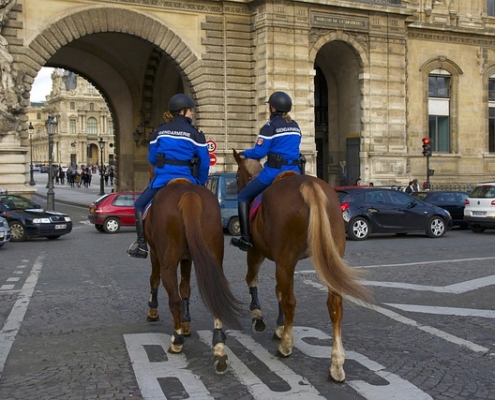
Getting around Paris is one of the most fascinating experiences for a visitor. The network is vast, fast, dense, and allows you to reach any neighborhood in just a few minutes. Metro, buses, trams, suburban trains, taxis, and rideshares form a coherent system that supports Parisians in their daily lives. Yet for a traveler discovering the city for the first time, this system can seem complex, almost intimidating. In reality, it is extraordinarily efficient once you understand how it works and especially once you learn its rhythm.
The Paris metro is the beating heart of the capital. It runs from early morning until late at night, crisscrosses the city in all directions, and allows you to move from one arrondissement to another in moments. Stations are safe, well-lit, monitored, and used by all generations. During rush hours between 8 and 9 a.m., and between 5 and 7 p.m. trains can be crowded. Parisians board and exit quickly, which may surprise a traveler. It is not aggression, merely efficiency: the city moves fast, and the metro follows its pace.
Tourists sometimes feel a bit disoriented in this flow. It is normal to lose your bearings, hesitate between two corridors, or take the wrong direction. Yet none of this is dangerous. You simply need to remain calm. The easiest method is to stop for a moment against a wall, breathe, look at the signs, and follow the corresponding color line. RATP agents, in green uniforms, are present in many stations and are always happy to help when you ask for directions.
Certain lines such as Lines 4, 6, and 13 may be more crowded at particular hours. This has nothing to do with safety; it is purely a matter of comfort. Many visitors prefer to avoid these lines during rush hours for a smoother experience. The metro is at its most pleasant early in the morning, midday, or late in the evening. Traveling at these times allows you to appreciate it more fully.
Buses offer a pleasant alternative. They reveal the city differently, from the surface, often offering beautiful views of monuments. They move more slowly than the metro, but they are very popular among visitors who want to discover Paris without rushing. The only thing to know is that during heavy traffic, they may take a little longer. Yet their atmosphere is calm, open, bright and many travelers grow to prefer them once they get used to them.
The RER trains connect Paris to its suburbs and airports. They are fast and practical but require slightly more attention because they serve both tourist areas and more distant neighborhoods. To reach Disneyland, Versailles, or Charles de Gaulle Airport, they are the most efficient option. Their system is simple: a display board indicates the train’s final destination and the stations it serves. Again, asking staff for assistance is always possible.
Parisian taxis are reliable and regulated. They have a professional number, a rooftop sign, a mandatory meter, and can provide a receipt upon request. They never approach tourists directly in the street; they wait at taxi ranks or respond to bookings. Unofficial taxis those who solicit travelers at station or airport exits should be avoided. Paris also has many trusted rideshare services such as G7, Uber, and Bolt, which allow you to book safely and track your ride from your phone.
For visitors, the main challenge is not safety but organization. Paris moves quickly. Parisians walk rapidly, anticipate their transfers, and know their routes by heart. Travelers, meanwhile, are discovering the city, reading their maps, hesitating occasionally. There is nothing wrong with that; it is part of the charm of exploring. However, it is important to stay simply attentive to your belongings while navigating public transport. The crowd is not dangerous, but it can create opportunities for a pickpocket if a bag is left open or a phone is kept in a back pocket. Parisians protect their belongings out of habit. Adopting the same reflexes prevents unpleasant surprises.
Another essential point is that Paris stations are well designed. They are equipped with cameras, staff, clear signs, and are crossed by thousands of travelers every day without incident. Even when you get lost, you are never in danger. You can always exit, return to the surface, and find another route. Paris’s network is not a closed maze; it is more like an open circuit where mistakes are allowed and every point connects easily to another.
The PWS method consists of navigating Paris with the same attitude as its residents: move fluidly, observe the rhythm, adapt to the flow rather than fight against it. When you walk with confidence, keep your belongings close, and stay attentive without being anxious, transport becomes not only simple but enjoyable. You then discover another face of Paris the daily life of its inhabitants, the real pulse of the city.
Getting around Paris is a subtle art: a blend of efficiency, confidence, and curiosity. Once you master the basics, everything becomes easy. You feel at home, you move through the city with ease, and you realize that Paris is not a complicated city at all—it is simply alive. And when you align yourself with its rhythm, it opens all its doors to you.
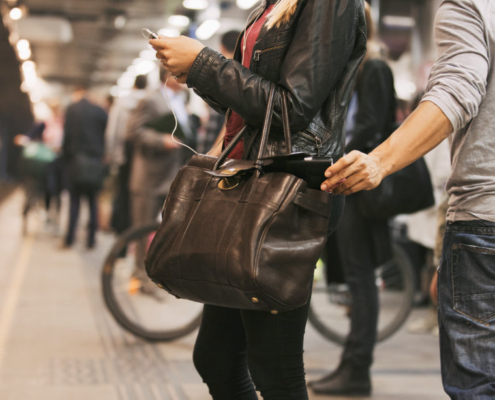
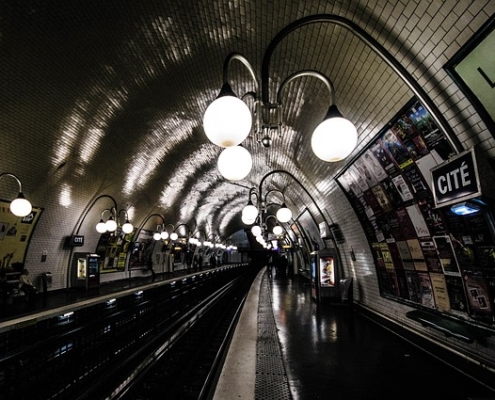
The place where you sleep, in a city you are discovering, plays a crucial role in your sense of safety and well-being. In Paris, both hotels and rental apartments generally offer a very secure environment. Hotels follow strict regulations, have reception desks open day and night, security cameras, trained staff, and clear procedures to assist visitors. Apartments rented through reputable platforms are also monitored, regulated, and used by millions of travelers every year.
Yet even in a secure setting, a few simple habits can help you travel with complete peace of mind.
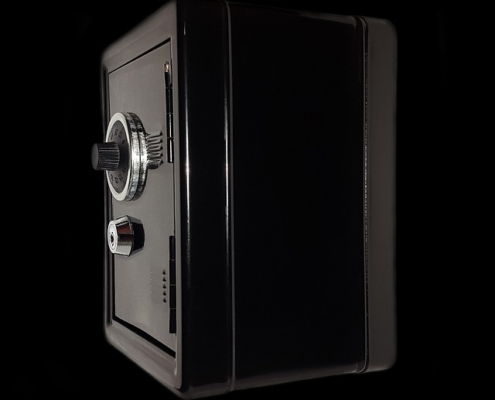
In a Parisian hotel, the room is a refuge. Visitors have access to a safe, attentive staff, and a door designed to guarantee their privacy and tranquillity. Many travelers forget that they have no reason to carry their most valuable belongings while visiting the city. Passports, jewelry, expensive watches, extra bank cards, and large amounts of cash have no use outdoors. They should stay in the safe or neatly stored inside the room. Thieves do not break into occupied rooms, and even less into corridors that are monitored. The hotel is often the safest place for your belongings.
Some tourists hesitate to leave their documents or money in the hotel, as if they had to choose between the safety of the room and the risk of being pickpocketed outside. This concern, although understandable, is unfounded. Pickpockets operate in public spaces never inside hotels. This is why Parisians themselves always advise visitors to go out only with what they need for the day: one bank card, a small amount of cash, a phone, and possibly a secondary form of ID. Traveling light means traveling without worry.
Rental apartments can raise different questions. Travelers sometimes wonder whether the building is secure, whether the entrance is protected, or whether the keys are unique. Parisian buildings are almost always equipped with digicodes, electronic badges, or double entry doors. Cameras are common in the lobbies. When you book an apartment through a trusted platform like Airbnb, Booking, or Abritel, you benefit from a well-regulated system with verified hosts who are accustomed to welcoming visitors. Parisian apartments are rarely located on the ground floor, which further reduces the risk of intrusion.
Still, as a precaution, it is wise to hide important belongings intelligently, especially if you are staying several days. Safes are not always available in rentals, but there are simple alternatives. Placing documents inside a book, under folded clothes, beneath a drawer, or inside the lining of a suitcase makes them virtually impossible to find. In the rare cases where intruders enter a property, they act quickly and never search thoroughly. The goal is not to live in fear, but to strengthen an already solid level of security.
It is also essential never to open the door to a stranger. In Paris, no one shows up at an apartment without warning. Delivery drivers remain outside the main door of the building; maintenance workers are announced in advance; and the police never knock “to check something” without prior notification. If someone knocks and you are not expecting anyone, you have no obligation to open. Simply answer through the door and wait for the person to leave. This is exactly how Parisians themselves behave.
Hotels, on the other hand, almost always have a reception desk open twenty-four hours a day. This means you can report any issue immediately, whether it is a strange noise, a lost item, or a practical question. Receptionists are used to assisting travelers, often speak several languages, and are trained to help guests in any situation. You never have to face a problem alone. Parisian hotels are partners, not merely places to sleep.
Lastly, keeping a digital copy of your identity documents stored on your phone or in your email is a simple habit that can spare you considerable trouble in the event of loss. Most embassies in Paris can reissue travel documents within twenty-four to forty-eight hours, provided you have a loss report and a copy of your papers. Travelers who planned for this possibility usually leave the embassy relieved and impressed by the efficiency of the French system.
Sleeping in Paris should be a restful experience, not a source of anxiety. The city offers a safe, well-organized environment, and the vast majority of visitors spend peaceful nights here. When you keep your valuables in a secure place, adopt local habits, and trust the structures in place, your hotel or apartment becomes a true sanctuary. It is where you recharge, dream about the next day’s discoveries, and feel at home even when you are thousands of kilometers away.
Traveling is also about learning to trust the place where you sleep. In Paris, that trust is well deserved. Accommodations are safe, monitored, and designed to protect travelers. By mastering a few simple rules, your stay immediately becomes more serene allowing you to enjoy everything Paris offers: its beauty, its gentleness, and that unforgettable feeling of being welcomed as a privileged guest.

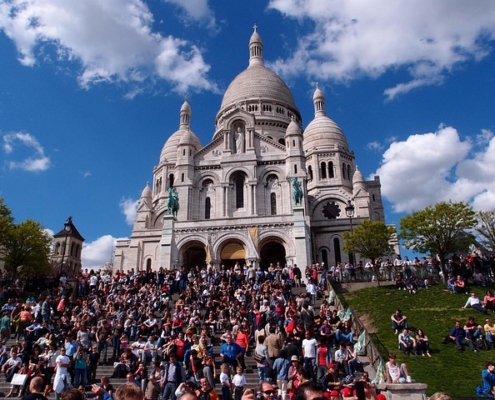
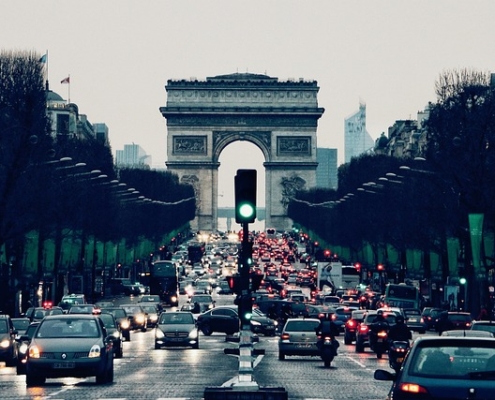
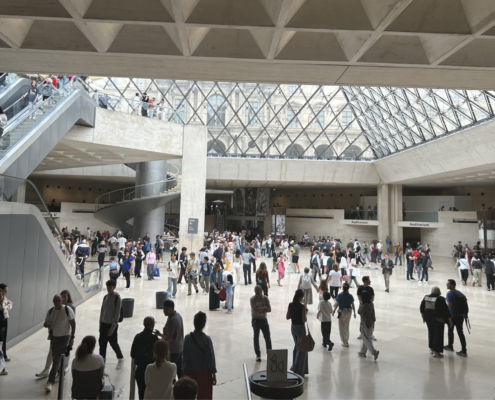
Paris has one of the highest concentrations of monuments in the world. The Eiffel Tower, the Louvre, Notre-Dame, Montmartre, Versailles, the Musée d’Orsay, the banks of the Seine, the Champs-Élysées… These places are universal symbols, landmarks of beauty and history. Every day, they attract thousands of visitors from all over the world, coming to see with their own eyes what they have dreamed about for so long. Their popularity creates a vibrant atmosphere, but also a few situations it is useful to be prepared for in order to experience these visits calmly.
The Eiffel Tower is one of the best examples of how Paris protects its visitors. The monument is surrounded by a security system comparable to that of an airport. Staff check bags, security controls are carried out at the entrance, and police patrol regularly around the Champ de Mars. Tourists feel safe there, but the crowds can sometimes be distracting. Pickpockets target those who admire the tower without paying attention to their belongings. The solution is simple: keep your bag closed, always in front of you, and never leave your phone or camera on a bench, table, or on the ground. When you are absorbed by the beauty of the monument, just remember to keep your possessions close. That is the only reflex you need.
The Louvre is another world altogether—both monumental and labyrinthine. Inside the museum, security is extremely strict; thefts are extremely rare. The real risk is mainly outside, in the courtyard and around the Palais Royal metro station. Pickpockets know that visitors are busy looking for their tickets, taking photos, or trying to find their way in the lines. The museum itself has several entrances, some of them much quieter than others. Entering through the Carrousel du Louvre, for example, often provides a smoother experience than using the main pyramid entrance. Once you are inside, you are in a sanctuary. The only real challenge is knowing where to go in this vast palace. Visitors who follow a guide, a clear plan or a structured tour enjoy a gentler, less tiring, and far more rewarding experience.
Notre-Dame de Paris, surrounded by police and protected since the 2019 fire, is one of the safest places in the capital. The forecourt is monitored, the surrounding streets are busy, and the Île de la Cité remains a peaceful area. Yet as in any place where crowds stop to admire a view, pickpockets know that some tourists are fully absorbed in their photos. One simple gesture is enough to avoid any problem: keep your bag in front of you, with one hand resting on it while you take a picture. This reflex does not spoil the magic of the moment; on the contrary, it allows you to enjoy it fully.
Montmartre is a world of its own—a blend of poetry, art, and constant motion. The streets are lively, the staircases numerous, and the views spectacular. The neighborhood is charming, but it is also popular with persistent street vendors, particularly around the Sacré-Cœur. This is where you sometimes encounter the famous bracelet sellers, who try to grab visitors’ wrists. Pickpockets watch for still, distracted crowds, especially on the steps or near street performers. To enjoy Montmartre, it is enough to walk confidently, keep your hands close to your body, and move away as soon as an interaction feels forced. The neighborhood is magnificent; you simply need to be attentive in the most crowded areas.
Versailles offers a different kind of experience, more spacious and airy. The estate is immense, the gardens vast, and security is very present. Crowds concentrate mainly at the entrance to the palace, where security checks and queues can be impressive. The only real risk here is fatigue: you walk a lot at Versailles, and visitors dazzled by the beauty of the place sometimes forget where they put their things. The site is extremely safe, but it requires some organization. Those who arrive early with a pre-booked ticket enjoy a much smoother visit.
The Musée d’Orsay, the Seine riverbanks, the Champs-Élysées, and major department stores like Galeries Lafayette present another kind of environment. There are fewer aggressive vendors than in Montmartre, but more moving crowds. On the big boulevards, you simply need to be mindful on escalators, where pickpockets can take advantage of a moment of close proximity. In large stores, it is wise to keep your phone in your pocket when you lean over to look at an item or when you try on clothes. In parks and gardens, the atmosphere is usually very calm and secure, but you should never leave a phone or bag unattended on a bench, even for a few moments.
Sightseeing boats and Seine cruises are very safe activities, and extremely well organized. The quays where you board are sometimes frequented by unlicensed sellers. They are not dangerous, but they may try to distract you. Once on board, there is no real risk: the experience is gentle, pleasant, and almost poetic. You can relax completely.
What all these places have in common is the crowd. And the crowd is not a danger it is a distraction. Pickpockets operate within that distraction. Two simple reflexes are enough to neutralize them: keep your bag closed and in front of you, and keep your phone in a secure pocket whenever you are not using it. With these habits, all significant risk disappears. Paris becomes what it should be: a continuous source of wonder.
Parisian tourist sites are not dangerous, but they do require attention. And that attention, far from being a burden, actually enriches the experience. When you move through these iconic places with confidence, you feel fully present, fully engaged in your journey. You discover not just the beauty of Paris, but also its fluidity, its discipline, its sense of detail.
Paris protects its visitors. It asks only that they protect themselves as well, with a few simple gestures. When that partnership is in place, your visit becomes pure enchantment—without worry and without shadows.
Money is an essential part of travel not just for settling expenses, but also for feeling free and at ease in a city you are discovering. In Paris, visitors are often pleasantly surprised by how simple payments are, how modern the system is, and how secure transactions feel. In most situations, dealing with money is easier than in many other countries. However, a few habits can help you avoid common mistakes and protect your means of payment.
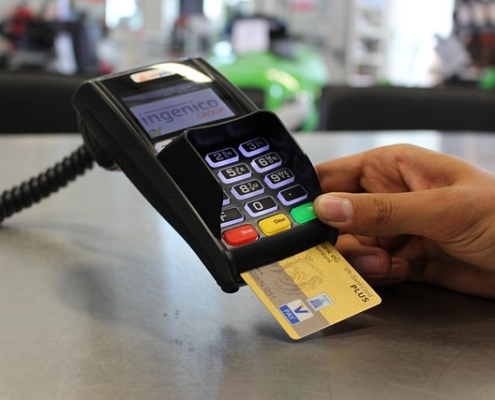
Paris is a city where almost everything can be paid by bank card. Cafés, restaurants, museums, taxis, and even many small shops accept contactless payment. This Parisian habit has a huge advantage for visitors: it dramatically reduces the need to carry large amounts of cash. The wisest rule is to go out with just one means of payment, ideally a single card kept in a secure pocket. Any additional cards should remain at your hotel, in a safe or discreetly hidden in your luggage. Pickpockets are not interested in a few coins; they target bulky wallets, multiple cards, and large amounts of cash. Once again, traveling light is the best protection.
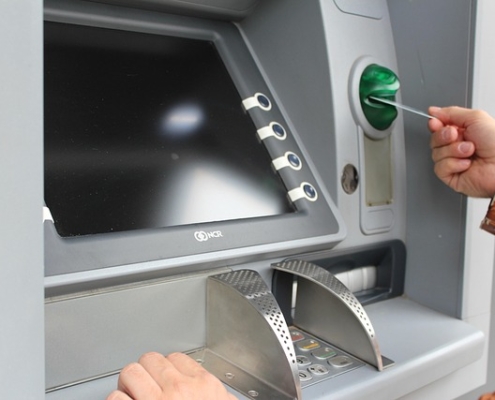
Cash withdrawals should always be made at ATMs located inside bank branches. Cash machines placed directly on the street are more exposed and can attract the attention of opportunistic thieves. Inside banks, withdrawals take place in a secure area, often monitored and protected by an automatic door. The most important precaution is to discreetly cover your PIN code. Thieves are not trying to rob tourists violently; they simply try to observe your code and then steal your card. If your code remains invisible, the card is useless to them.
The most common scams around ATMs never rely on violence, but on confusion. Some individuals pretend to help, act overly eager to “assist,” or try to press buttons while you are focused on the screen. You should never accept help from a stranger at an ATM. In Paris, no one offers to help an adult use a machine; this is immediately suspicious. The best response is to say calmly that everything is fine and wait for the person to move away. If they insist, a slightly firmer tone and a clear statement that you will call the police is enough. These individuals disappear as soon as they realize you are alert.
Paying in cafés and restaurants is simple and transparent. Bills are clear, prices are displayed, and service is included. Tipping is never mandatory in France. It is seen as a nice gesture, a way to thank someone for good service, but nothing more. Parisians themselves rarely leave large tips; it is common to round up the bill or leave a few euros if they are satisfied. Visitors sometimes feel obliged to leave ten or fifteen percent, as in some English-speaking countries, but this is not necessary. A small tip is more than enough and is always appreciated.
In official taxis, payment is usually made by card, and a receipt can be provided on request. Parisian taxi drivers never demand a tip but of course accept one with courtesy when offered. In rideshares, payment is handled automatically via the app, with no cash exchange. This is a very safe method and particularly well suited to travelers.
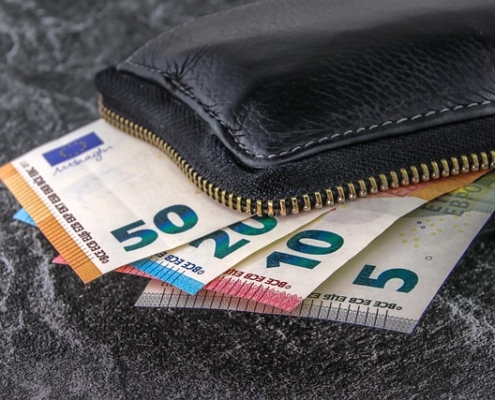
Markets and some small stands sometimes accept only cash. It is therefore useful to carry around twenty to thirty euros, discretely stored. That amount is more than enough for a coffee, a snack, a metro ticket, or a small treat. Carrying more is unnecessary and increases risk in case of loss. Thieves are only interested in high-value items. A small amount of cash in a front pocket or zipped pouch is perfectly sufficient.
Large department stores such as Galeries Lafayette or Le Bon Marché, as well as luxury boutiques, operate with clear procedures. It is impossible to pay for expensive items without some form of verification. For higher amounts, staff may ask for identification. This is not a sign of suspicion; it is simply standard practice in France. Travelers are sometimes surprised by this, but soon realize that it actually contributes to their safety.
One last piece of advice, simple but essential: always keep a digital copy of your bank card, passport, and important documents. If something happens, this makes dealing with banks or your embassy much easier. Travelers who have stored copies in their email or a secure digital folder can resolve any issue far more quickly.
Handling money in Paris should never be a source of stress. The system is modern, transparent, and designed to protect users. By adopting local habits and avoiding carrying large amounts of cash, you ensure a smooth and peaceful trip. The key is to keep your means of payment in safe places, prioritize ATMs inside banks, refuse unsolicited help, and take advantage of the simplicity of contactless payment.
Once these habits become natural, Paris reveals itself in an even more pleasant light: a city where you can move around, shop, treat yourself, and fully enjoy your stay—without tension or worry. The freedom that comes with this peace of mind turns your trip into a truly authentic Parisian experience.

Traveling to a foreign country also means entering a legal framework you may not fully know. In Paris, most rules are simple, logical, and designed to guarantee the safety of everyone residents and visitors alike. Tourists are not expected to know every detail of French law, but a few essential principles help avoid misunderstandings and allow you to travel with confidence. These rules are neither restrictive nor complicated; they mainly reflect respect for public space and a shared desire to keep the city pleasant and safe.
The first thing to know is that weapons are strictly forbidden in France. This ban does not apply only to firearms; it also includes knives, sharp objects considered dangerous, and any replica weapons, even decorative ones. A visitor carrying an object that could be perceived as a weapon risks immediate confiscation and further checks. Parisians do not carry such items in public, and tourists should follow the same principle. This contributes to the strong feeling of safety in the city.
Alcohol is part of French culture, but its use in public spaces follows certain rules. Drinking a glass of wine or a beer in a park or along the Seine is tolerated as long as it is done calmly and without disturbing public order. However, obvious drunkenness in the street is frowned upon and may lead to police intervention. Parisians rarely drink while standing in the street; they prefer to sit at a café terrace or at a table. This attitude of moderation and elegance prevents problematic behavior and strengthens collective safety.
French law on drugs is very clear: all recreational drugs, including cannabis, are illegal. Possession, even in small amounts, may lead to an immediate fine. Visitors should be aware that France does not apply the same level of tolerance as some other countries. Not consuming, not carrying, and not accepting any substance offered in the street is the only truly safe approach.
Photography in public spaces is widely accepted. Tourists can photograph monuments, streets, building facades, and everything that is part of the Parisian landscape. However, photographing police officers or security areas is not recommended, as it can be interpreted as interference with their work. Inside museums and monuments, rules vary: some allow photography without flash, others prohibit it for conservation or security reasons. It is enough to follow the signs.
Noise is another important dimension of the French legal framework. Paris is a lively city, but it protects its residents against excessive noise. At night, from 10 p.m. onward, it is important to avoid noisy behavior in residential streets, buildings, and hotels. Police rarely intervene for noise alone, but travelers should remember that loud behavior can disturb neighbors and may lead to complaints or intervention by the landlord or hotel staff.
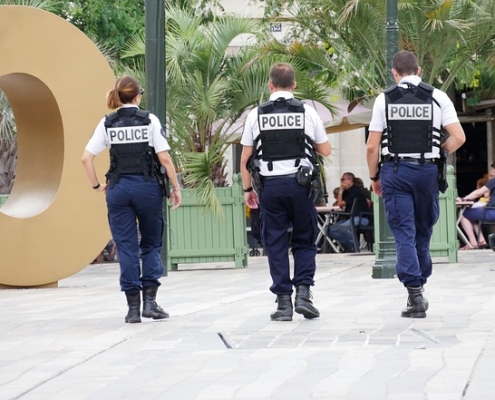
In matters of public safety, cooperation with the police is fundamental. Officers may ask to see identification during a check; this is not an accusation, but a normal procedure. Tourists have no reason to be afraid: checks are usually quick, professional, and often accompanied by explanations. It is enough to remain calm, polite, and clear in your answers. If a visitor does not speak French, the police generally call on a translator or use English to facilitate communication.
Finally, it is useful to know that any attempt at bribery or “negotiation” with a police officer is strictly forbidden. Offering money to avoid a fine is considered a serious offense in France, far worse than the original infraction. French police are used to working with tourists; they respect the law and expect the same respect in return.
These rules are not designed to make a visitor’s stay more complicated. On the contrary, they protect everyone’s tranquillity. By becoming familiar with these principles, travelers better understand the Parisian atmosphere: a city of freedom, but also of mutual respect. A city where you can enjoy every moment, as long as you follow the simple habits that support collective harmony.
Once these reference points become familiar, Paris reveals its best side: a safe, organized, and elegant place that welcomes, with real generosity, those who understand its codes.
Chapter 10 – If Something Goes Wrong: Responding Calmly, Methodically, and Confidently
Even in a safe city like Paris, a traveler may sometimes face the unexpected. A lost phone, a forgotten bag, a misplaced document, a moment of dizziness, a surge of panic, a misunderstanding with an official, a pickpocketing incident, or simply not knowing what to do next. These situations are unpleasant, but they should never turn into a crisis. The key is to understand that Paris is an organized city, with efficient services, where tourists are taken care of quickly and seriously.
When an item goes missing, the first reaction should always be to calmly check where it might be. Many objects assumed to be stolen are actually left in a restaurant, a taxi, a museum, or in a different pocket. If the item has truly been stolen, the next step is simple: go to the nearest police station to report it. This report, called a “complaint” or “theft declaration,” is essential for insurance claims and for embassy procedures. Parisian police officers are used to handling this kind of situation and guide visitors efficiently. Once the report is filed, the traveler can contact their insurance company or mobile provider. Losing something is frustrating, but the process is clear and well structured.
Losing a passport is often what worries visitors most. Yet the solution is straightforward. After reporting the loss or theft to the police, you simply go to your country’s embassy or consulate. In Paris, almost every country in the world has a diplomatic representation. Embassies can issue a temporary travel document within twenty-four to forty-eight hours, sometimes even the same day. Travelers who go through this process are often impressed by how organized it is. The most important thing is to keep a digital copy of your passport before traveling; this greatly speeds up the procedure.
In the event of illness, injury, or a medical issue, French emergency services are known for their responsiveness. The emergency number is 15 for the SAMU (medical emergency services). 18 connects you to the fire brigade. 112, the European emergency number, works everywhere. Paris has excellent public hospitals, often close to tourist areas. Paramedics and doctors respond quickly, even for tourists, and never leave anyone in distress, regardless of nationality. The French healthcare system is one of the most protective in the world, and travelers are treated with the same care as residents.
If someone is arrested or questioned by the police, it is essential to remain calm. In France, the law protects everyone’s rights, including foreign nationals. Every person has the right to be informed of the reason for their arrest, the right to remain silent, the right to an interpreter if they do not speak French, and the right to contact their embassy. Parisian police are accustomed to dealing with visitors and do not use force without cause. A respectful attitude almost always helps to clarify the situation quickly. Most misunderstandings are resolved simply through communication.
In moments of panic like getting lost in a neighborhood or becoming separated from a group it is important to remember that Paris is dense but not dangerous in its tourist areas. You simply need to head to a public place: a shop, a café, a hotel, a metro station. Asking for help is entirely normal. Parisians, who are often perceived as reserved, can be surprisingly warm when they realize that a visitor is in difficulty. Shop staff will often make a phone call, point you in the right direction, or explain how to get where you need to go.
Some situations require nothing more than perspective. An argument in the street almost never represents a serious threat; it is usually just a disagreement between locals. A police or fire siren is an everyday sound that does not necessarily concern visitors. A blocked street may simply indicate a temporary event, such as a demonstration or a film shoot. Paris is a living city, sometimes intense, but rarely dangerous.
When a traveler knows how to react if something goes wrong, unexpected events become no more than administrative or logistical steps. Stress fades, replaced by a sense of control. The city then appears in a new light: solid, organized, and protective. Paris may surprise you, but it never abandons a visitor without a solution.
Traveling safely is not about avoiding all risk; it is about knowing what to do if something happens. With that knowledge, every step through the city feels lighter. And you discover that even in moments of difficulty, Paris remains Paris: elegant, deeply human, and genuinely attentive to those who come to visit.
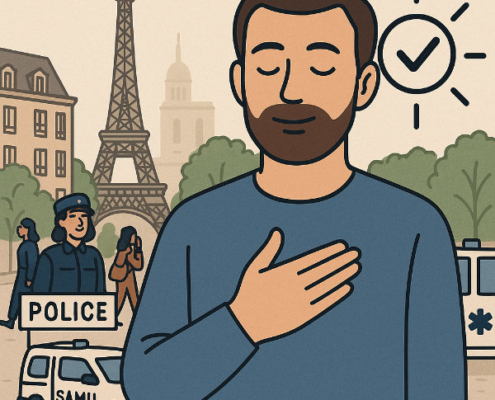
Conclusion – Travelling Safely, Travelling with Joy
Paris is a city that makes the whole world dream. People come here for its beauty, its culture, its art of living, its lights, its secrets, and that unique emotion that runs through you the first time you walk its streets. But to fully savour this magic, it is essential to approach the city with a blend of clarity and trust. It is this balance that transforms a simple trip into an unforgettable experience.
With this guide, we wanted to show that safety in Paris is not based on fear, but on a few simple habits, an understanding of the local rhythm, and an attentive but never anxious attitude. As in all major cities in the world, there are situations worth knowing about, reflexes worth adopting, and habits worth avoiding. But none of these should diminish the sense of wonder Paris offers every one of its visitors.
We have explained how to protect your belongings, avoid common scams, understand strikes and demonstrations, use public transport, choose safe accommodation, move comfortably through major tourist sites, manage your money, respect French laws, and remain calm if something goes wrong. All this information serves a single purpose: to give you the tools to feel in control of your journey free and relaxed in your movements, confident in every situation.
Because feeling safe does not mean being suspicious of everything; it means knowing that you are prepared for what might happen. It means walking with the same ease as Parisians, who live every day in this magnificent city knowing that vigilance never prevents joy in fact, it reinforces it.
To support you even further, we have added at the end of this guide a complete list of embassies and consulates in Paris, with their phone numbers and addresses. This information is rarely needed, but it provides enormous peace of mind. Knowing that your country is just a few streets away, ready to help if necessary, is a precious comfort for any traveler.
Paris awaits you with its unique rhythm, its incomparable light, and an energy unlike any other city. By understanding how it works and adopting a few simple habits, you will discover not just a safe city, but a generous, warm, and deeply alive one.
Travel with confidence. Enjoy with curiosity. Explore with joy.
And let Paris do what it does best: take your breath away.
Legal & Emergency Information in Paris
Paris is a safe, organized, and law-abiding city but as in any country, understanding local rules and emergency procedures helps you travel with peace of mind.
Here’s everything you should know about laws, emergency contacts, and your rights as a visitor in France.
Emergency Numbers – Always Free, 24/7
If you need help, these emergency numbers work anywhere in France and across the EU:
| Type of Emergency | Number | Description |
| European Emergency Line | 112 | Works from any phone connects you to police, medical, or fire. English-speaking operators available. |
| Police (Police Nationale) | 17 | For theft, assault, scams, or suspicious activity. |
| Medical Emergency (SAMU) | 15 | For sudden illness or serious injury. |
| Firefighters (Pompiers) | 18 | For fires, accidents, or medical first aid. |
| Emergency SMS for the Deaf or Hard of Hearing | 114 | Send a text (available 24/7). |
| Tourist Police Assistance (Brigade de l’Accueil Touristique) | +33 1 49 96 34 26 | English-speaking officers at 6 Rue de Lobeau, 75004 Paris (near Hôtel de Ville). |
Tip: You can dial 112 from any EU country, even without a SIM card or mobile plan.
Major Embassies in Paris – In Case of Emergency
If you ever face a problem in Paris lost passport, stolen documents, or a medical emergency your embassy can help.
Here are 20 of the most visited and trusted embassies in Paris, with addresses and phone numbers you can keep in your notes or phone contacts.
| Country | Address | Phone Number |
| United States | 2 Avenue Gabriel, 75008 Paris | +33 1 43 12 22 22 |
| United Kingdom | 35 Rue du Faubourg Saint-Honoré, 75008 Paris | +33 1 44 51 31 00 |
| Canada | 130 Rue du Faubourg Saint-Honoré, 75008 Paris | +33 1 44 43 29 00 |
| Spain | 22 Avenue Marceau, 75008 Paris | +33 1 44 43 18 00 |
| Germany | 28 Rue Marbeau, 75116 Paris | +33 1 53 83 45 00 |
| Switzerland | 142 Rue de Grenelle, 75007 Paris | +33 1 49 55 67 00 |
| Italy | 51 Rue de Varenne, 75007 Paris | +33 1 49 54 03 00 |
| Japan | 7 Avenue Hoche, 75008 Paris | +33 1 48 88 62 00 |
| Netherlands | 7–9 Rue Eblé, 75007 Paris | +33 1 40 62 33 00 |
| India | 15 Rue Alfred Dehodencq, 75016 Paris | +33 1 40 50 70 70 |
| China | 20 Rue Monsieur, 75007 Paris | +33 1 49 52 19 50 |
| Australia | 4 Rue Jean Rey, 75015 Paris | +33 1 40 59 33 00 |
| Ireland | 12 Avenue Foch, 75116 Paris | +33 1 44 17 67 00 |
| Austria | 17 Avenue de Villars, 75007 Paris | +33 1 40 63 30 90 |
| Saudi Arabia | 20 Rue des Graviers, 92200 Neuilly-sur-Seine (near Paris) | +33 1 46 79 40 00 |
| Kenya | 3 Rue Freycinet, 75116 Paris | +33 1 56 62 25 25 |
| United Arab Emirates | 2 Boulevard de la Tour-Maubourg, 75007 Paris | +33 1 44 34 02 00 |
| Morocco | 12 Rue de la Saïda, 75015 Paris | +33 1 45 20 69 35 |
| Russia | 40 Boulevard Lannes, 75116 Paris | +33 1 45 04 05 50 |
| Ukraine | 21 Avenue de Saxe, 75007 Paris | +33 1 43 06 07 37 |
Texte : GV Paris Webservices – Photos : Adobe stock / Pixabay
RECOMMENDED BY