
Welcome to Paris – The City of Light!
Before visiting Paris, it is essential for every traveler to know the location of the places they want to visit, the hotel’s location, and safety considerations. From our experience, many tourists arrive in Paris without fully understanding the area where they are staying, which can lead to unpleasant surprises.
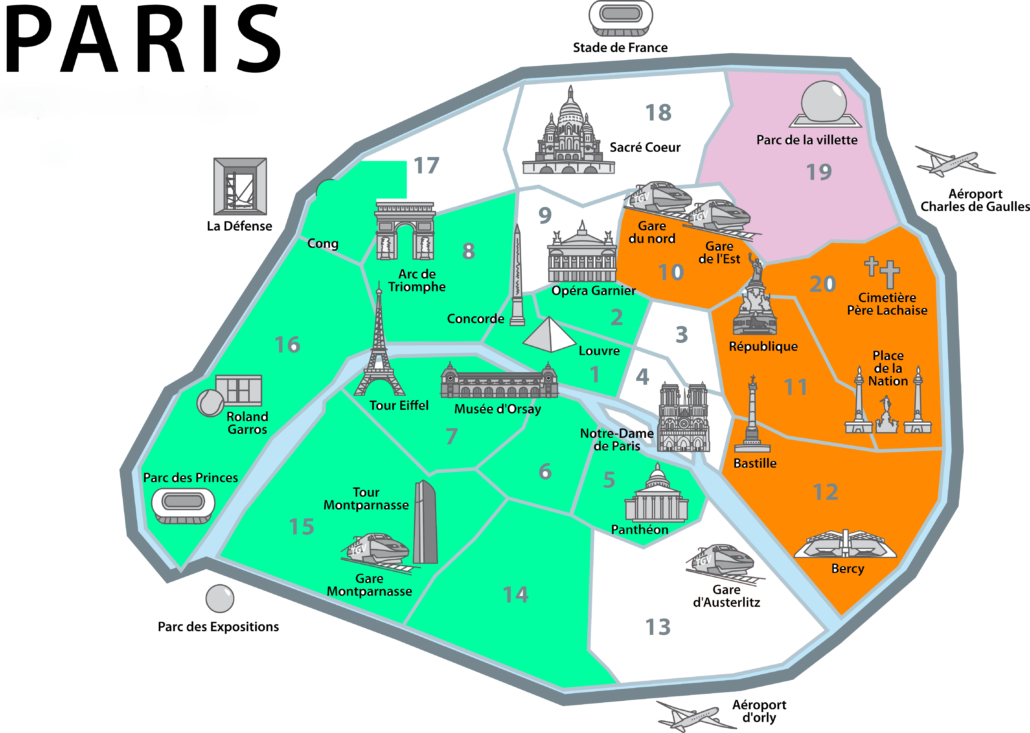
For example, we once transported a family from Australia with three teenage daughters who had booked a hotel in the 10th arrondissement, an area that is not very safe in the evenings. We had emailed them in advance to advise that the location might be risky, but the clients replied that the online reviews were very good. When we dropped them off, they were very surprised by the neighborhood, and they had to change hotels the next day, which cost much more.
Our advice: if you see a hotel that is significantly cheaper than others in the area, do not book it without checking the location, safety, and accessibility. Price should not be the only factor when choosing where to stay in Paris.
Like any major city in the world, Paris has good and less safe neighborhoods, and it is important to be aware of this when planning your stay. Just because a place looks good on Google Maps does not mean it is safe or realistic—areas can feel very different at night. This is why we have decided to share practical advice and guidance for tourists, to help you avoid surprises and make safer choices.
Paris is a city of history, culture, and charm. Whether you’re here to admire iconic monuments, stroll through picturesque neighborhoods, or savor the city’s unique gastronomy, every corner of the capital has its own story and character.
While Paris is beautiful and vibrant, it is also a city of constant activity and movement, where life never seems to stop. Visitors should be aware that demonstrations, strikes, and social protests occur frequently throughout the year, often affecting certain districts more than others, such as Bastille, République, and Nation. These events can disrupt public transportation, cause road closures, and create crowds in the streets, so it is important to plan your itineraries with flexibility in mind.
Traffic in Paris can also be challenging due to ongoing construction projects, temporary street closures, and the city’s initiatives to prioritize bicycles and pedestrian areas over cars. As a result, travel times can increase significantly, especially when moving from the eastern to the western parts of the city. Even areas that seem convenient on a map may take longer to reach than expected.
Being informed in advance can help you plan your tours, choose hotel locations wisely, and navigate the city safely and efficiently, ensuring a more enjoyable and stress-free experience in Paris. Some arrondissements are perfect for sightseeing and hotel stays, while others may be less convenient due to traffic, distance from main monuments, or safety concerns.
In this guide, we will highlight:
By knowing this in advance, you can enjoy a smooth, safe, and memorable experience in Paris while making the most of your time in the city.
To ensure a smooth and punctual tour, we avoid districts where traffic or disruptions may interfere.
The 20 Arrondissements of Paris – Tourist Comments :
1st arrondissement : Louvre / Palais Royal
The 1st arrondissement is the historic heart of Paris, ideal for art and history lovers. It is home to the Louvre Museum, Palais Royal, Place Vendôme, and the Tuileries Gardens, offering a concentration of iconic landmarks in a compact area. Streets are elegant, well-patrolled, and generally safe, but pickpocketing can occur in crowded tourist spots, especially near the Louvre and metro stations. Accommodation ranges from luxury hotels to mid-range options, offering direct access to main attractions. The area is very touristy, so traffic and pedestrian congestion can be high, particularly during peak season. Walking is the best way to explore, but public transport is also convenient for reaching other parts of Paris. For overnight stays, it is recommended to choose hotels near the Palais Royal or Louvre, to be within walking distance of major monuments and enjoy a safe and comfortable environment. This arrondissement is perfect for first-time visitors who want to be at the center of Parisian history, culture, and shopping.
2nd arrondissement : Bourse / Montorgueil
The 2nd arrondissement is a dynamic and commercial area in the heart of Paris, known for its Rue Montorgueil, a lively pedestrian street lined with cafés, bakeries, and markets. It is ideal for tourists who want to experience authentic Parisian daily life and enjoy shopping, food, and local culture. The area is generally safe, but pickpocketing can occur in crowded areas, particularly on Rue Montorgueil and near metro stations. Accommodation ranges from boutique hotels to mid-range options, offering convenience for exploring Paris on foot. While the district is central and well-connected, most major monuments are a short walk or metro ride away, so tourists can easily reach other famous attractions. Traffic is moderate compared to more tourist-heavy districts, making it pleasant to walk or cycle. For overnight stays, it is recommended to choose hotels closer to Rue Montorgueil or the Bourse area, avoiding streets near busy main roads for safety and comfort. The district is perfect for visitors who want to feel local life while staying close to central Paris.
3rd arrondissement : Haut Marais / Arts et Métiers / Gay Quarter
The 3rd arrondissement, often called the Haut Marais, is an elegant and trendy district known for its art galleries, museums, and boutique shops. Highlights include the Musée Picasso, Musée des Arts et Métiers, and picturesque streets lined with cafés and local artisan stores.
This arrondissement also includes the heart of Paris’s gay-friendly sector, primarily in the southern part of the 3rd and northern part of the 4th arrondissement. Key streets include:
The area is generally safe and pleasant for walking, but pickpocketing can occur in crowded areas, especially near popular attractions and metro stations. Accommodation options include boutique hotels and charming apartments, offering a central and convenient base for exploring Paris. Streets in the Haut Marais are quieter than the main Marais streets, making it ideal for tourists who enjoy culture, shopping, and a lively, welcoming atmosphere.
While the district has limited major monuments compared to central Paris, it is well-connected by metro and public transport for visiting other areas. For overnight stays, choose hotels in the heart of the Haut Marais, near Rue des Archives or Rue Vieille du Temple, to be close to attractions while staying in safer, lively areas.
4th arrondissement : Île de la Cité / Île Saint-Louis / Le Marais
The 4th arrondissement is the historic heart of Paris, offering iconic sites such as Notre-Dame Cathedral, Sainte-Chapelle, and the charming Île Saint-Louis. The Marais district is famous for its narrow streets, boutiques, museums, and vibrant café culture. It is perfect for tourists who enjoy walking, shopping, and exploring historic architecture. Streets are generally safe during the day, but pickpockets can be active in crowded areas, particularly near major monuments and metro stations. The area is very popular with tourists, so traffic and pedestrian congestion are common, especially on weekends. Accommodation ranges from boutique hotels to mid-range options, often in beautifully restored historic buildings. While the district is central and convenient for sightseeing, some streets can feel busy or less secure at night. If travelers plan to stay overnight, it is recommended to choose hotels in quieter streets within the Marais or near Île Saint-Louis, rather than the busiest main roads.
5th arrondissement : Latin Quarter / Panthéon / Sorbonne
The 5th arrondissement, also known as the Latin Quarter, is one of Paris’s most historic and vibrant districts. It is home to the Panthéon, the Sorbonne University, and charming streets like Rue Mouffetard, famous for its cafés, markets, and local shops. The area is perfect for walking, exploring small bookstores, and soaking in the intellectual and cultural atmosphere. Streets are lively during the day, but tourists should remain cautious in crowded areas, as pickpockets are known to operate near popular attractions and metro stations. Accommodation ranges from boutique hotels to mid-range options, often in historic buildings, providing an authentic Parisian experience. While many major monuments are nearby, traffic can be busy on main roads, so walking or using the metro is recommended. The district is generally safe, but some side streets can feel quieter and less secure at night. For a convenient and enjoyable stay, choose hotels near the Panthéon or Rue Mouffetard.
6th arrondissement : Saint-Germain-des-Prés / Luxembourg
The 6th arrondissement is one of Paris’s most charming and historic districts. It is home to Saint-Germain-des-Prés, famous for its cafés like Café de Flore and Les Deux Magots, art galleries, and boutique shops. The Luxembourg Gardens offer a beautiful, peaceful space for walking, picnics, and relaxing. Streets are picturesque, lively during the day, and generally safe, though tourists should remain vigilant in crowded areas to avoid pickpockets, especially near popular cafés and metro stations. Accommodation ranges from boutique hotels to mid-range options, often in historic buildings, providing a very authentic Parisian experience. Major monuments are within walking distance or a short metro ride, making it ideal for first-time visitors. The district is quieter in the evenings, offering a safe and elegant environment for overnight stays. For travelers wanting to enjoy Parisian culture, history, and gastronomy, staying near Saint-Germain-des-Prés or Luxembourg Gardens is recommended.
7th arrondissement : Eiffel Tower / Invalides / Musée d’Orsay / Rue Cler
The 7th arrondissement is one of Paris’s most elegant and prestigious districts. It is home to the Eiffel Tower, Les Invalides, Musée d’Orsay, and the charming Rue Cler, a pedestrian street famous for its cafés, bakeries, fresh markets, and specialty shops—perfect for tasting local products and experiencing Parisian daily life. Streets are wide, clean, and generally safe, attracting tourists and locals alike. Pickpocketing is possible in crowded tourist areas, particularly near the Eiffel Tower and Rue Cler, so vigilance is advised. Accommodation ranges from luxury hotels to charming boutique options, making it a safe and convenient choice for first-time visitors. Traffic can be heavy near major attractions, so walking or using the metro is recommended. The district is quieter in the evenings, offering a peaceful environment for overnight stays. For travelers wishing to enjoy a scenic and safe location, staying close to the Eiffel Tower, Invalides, or Rue Cler is ideal. Overall, the 7th arrondissement combines elegance, culture, gastronomy, and convenience for sightseeing.
8th arrondissement : Champs-Élysées / Madeleine / Élysée
The 8th arrondissement is one of Paris’s most iconic and prestigious districts. It is home to the Champs-Élysées, Place de la Concorde, Avenue Montaigne, and the Élysée Palace, making it a must-visit for sightseeing and luxury shopping. The streets are elegant, wide, and generally safe, attracting tourists and locals alike. Pickpocketing can occur in crowded areas, especially along the Champs-Élysées, so visitors should remain vigilant. Every first Sunday of the month, the Champs-Élysées is closed to car traffic, offering pedestrians a unique and enjoyable walking experience. Accommodation in this district ranges from luxury hotels to mid-range options, and it is ideal for first-time tourists who want to be close to major monuments and shopping. Traffic can be busy, particularly on main avenues, so walking or using the metro is recommended. If travelers plan to visit attractions early in the morning or late at night, staying near central streets like Madeleine or the Champs-Élysées is more convenient and safer. Overall, the 8th arrondissement combines elegance, accessibility, and convenience for sightseeing
9th arrondissement : Opéra / Grands Boulevards
The 9th arrondissement is lively, elegant, and home to iconic sites like the Palais Garnier (Opéra) and the Galeries Lafayette department store. It offers beautiful boulevards, charming cafés, and theaters. The area is generally safe and convenient for tourists, but the northern and eastern parts of the arrondissement are less recommended for staying overnight, as they are busier, less polished, and can feel less secure at night. For accommodation, it is better to choose hotels closer to the Opéra, Grands Boulevards, or central streets, which are safer, well-connected, and closer to attractions. This arrondissement is ideal for first-time visitors who want to explore Paris on foot and have easy access to shopping, restaurants, and public transport. Pickpocketing can occur in crowded areas, especially near metro stations, so vigilance is advised.
10th arrondissement : Canal Saint-Martin / Gare du Nord
Trendy and bohemian, full of cafés, small boutiques, and canal-side walks. Great for feeling Paris’s creative energy. However, areas near Gare du Nord and Gare de l’Est can be busy and less safe at night. If you stay here, choose a hotel near the Canal Saint-Martin rather than near the stations.
If clients plan to travel from Gare du Nord or Gare de l’Est the next day, it is much more convenient and safer to book a hotel nearby or directly opposite the station. This reduces early-morning stress, avoids long transport with luggage, and provides easier access to taxis or public transport. Staying further away may save money, but it can be less practical, especially if the area is busy or not very safe at night. Always choose well-reviewed hotels with good security, ideally close to the station entrances.
11th arrondissement : République / Oberkampf / Bastille
The 11th arrondissement is one of Paris’s most vibrant and lively neighborhoods. It is famous for its restaurants, bars, cafés, and dynamic nightlife. Oberkampf and Bastille are particularly popular with young locals and students. During the day, you can explore local markets, art galleries, and small boutiques, but major monuments are limited here, so visiting them requires long travel to other districts. This means tourists need to rely on public transport or taxis, which can be time-consuming. The area is perfect for experiencing authentic Parisian life, but it is not ideal for first-time visitors who want to see iconic sights nearby. Demonstrations and protests frequently occur, especially around République and Bastille, making traffic unpredictable. For accommodations, it’s better to stay on quieter side streets rather than main avenues. While generally safe during the day, it can feel busy or noisy at night. No pick-up service is available due to traffic disruptions and safety concerns.
12th arrondissement : Gare de Lyon / Bercy / Nation
The 12th arrondissement is calm, residential, and full of green spaces, such as Bercy Park and the Coulée Verte. It also hosts the Accor Arena for concerts and events, and the Gare de Lyon, a major train hub. While the area is pleasant and peaceful, it has few major tourist monuments, so visiting the iconic sights of Paris requires taking public transport or taxis, which can be time-consuming. The streets around Nation can also see occasional demonstrations, affecting traffic. This district is ideal for longer stays or visitors who want to experience local life, but it is not recommended for first-time tourists seeking central attractions. Accommodation is generally safer here than in more chaotic districts, but the area is less lively in the evenings. Pick-ups are limited due to distance from central Paris and street layouts. Overall, it is a safe and quiet area, but tourists should plan transport carefully. No pick-up service available.
13th arrondissement : Asian Quarter / Bibliothèque / Butte-aux-Cailles
The 13th arrondissement is a vibrant and multicultural district in the southeast of Paris. It is famous for Chinatown, one of the largest in Europe, where you can enjoy authentic Asian cuisine, markets, and cultural festivals. The area around the Bibliothèque François-Mitterrand combines modern architecture with wide boulevards and street art. For history lovers, the Butte-aux-Cailles neighborhood offers a village-like atmosphere, cobbled streets, and murals that reflect the artistic past of Paris. While the arrondissement is lively and authentic, there are few major tourist monuments, so visitors need to use public transport or taxis to reach the central attractions of Paris, which can be time-consuming. The district is generally safe and welcoming, but streets can be less busy at night. Accommodation is affordable compared to central Paris, but tourists should prioritize safety and stay in well-reviewed hotels or apartments. The area is perfect for those who want to experience local Parisian life, explore unique food scenes, and discover street art. No pick-up service available due to distance and street layouts.
14th arrondissement : Montparnasse / Denfert-Rochereau
The 14th arrondissement is a historic yet relaxed district in the south of Paris. It is best known for the Montparnasse Tower, offering one of the best panoramic views of the city, and the Catacombs of Paris, a fascinating underground attraction. The area has a lively café culture, with many traditional brasseries and local bakeries. Streets are generally quieter than the city center, making walking enjoyable and safe. While there are some attractions, the major landmarks of Paris are farther away, requiring public transport or taxis, which can add travel time for tourists. Denfert-Rochereau is a convenient hub with metro access, making it easier to reach central sights. Accommodation is generally safe, clean, and quieter than in central arrondissements. The district is family-friendly and ideal for visitors looking for a calmer Parisian experience. Nightlife is limited, but the neighborhood charm and local markets create an authentic atmosphere. Pick-up service is available.
15th arrondissement : Vaugirard / Beaugrenelle
The 15th arrondissement is mainly residential, calm, and family-friendly. It offers modern shopping at Beaugrenelle, local markets, and quiet streets for walking. Views of the Eiffel Tower can be enjoyed from several points in the district, especially near Grenelle. While the area is pleasant and safe, it is far from many of Paris’s main tourist monuments, so visiting them requires public transport or taxis. Streets are generally wide, making it easy to navigate, and the neighborhood is suitable for longer stays. Accommodation is safer and often more affordable than in central districts. Nightlife is limited, but the area has charming cafés and bakeries. Traffic is moderate, and pickups can be arranged conveniently. The 15th is perfect for families or tourists seeking a quieter, authentic Parisian experience. Pick-up service is available.
16th arrondissement : Trocadéro / Bois de Boulogne
The 16th arrondissement is one of Paris’s most elegant and upscale districts. It is home to Trocadéro, offering arguably the best views of the Eiffel Tower, especially for photos at sunrise or sunset. The area is calm, safe, and residential, with many embassies, quiet streets, and beautiful Haussmannian buildings. The Bois de Boulogne provides large green spaces perfect for walking, picnics, or cycling. While the district is visually stunning, most major monuments are farther away, so tourists will need to use public transport or taxis to visit central Paris landmarks. Accommodation here is safe and comfortable, ideal for families or visitors seeking tranquility. Nightlife is limited, but small cafés and restaurants offer a refined Parisian experience. Streets are wide, traffic is moderate, and pickups are convenient. Pick-up service is available.
17th arrondissement : Batignolles / Ternes
The 17th arrondissement is a mix of elegant residential areas and lively neighborhood streets. Batignolles offers a village-like atmosphere with charming cafés, organic markets, and small parks, while Ternes is closer to the grand boulevards and the Arc de Triomphe. The district is generally safe, clean, and family-friendly. However, there are few major tourist monuments directly in this area, so visiting central sights requires public transport or taxis, which can take additional time. Streets are wide and quiet compared to central Paris, but traffic can still be busy near main avenues. Accommodation is affordable and comfortable, with good options for longer stays. Nightlife is limited, making it perfect for those seeking a calmer Parisian experience. Local shops, bakeries, and small restaurants create a pleasant neighborhood vibe. No pick-up service available due to distance and street layouts.
18th arrondissement : Montmartre / Barbès
The 18th arrondissement is one of Paris’s most famous and picturesque districts. Montmartre is renowned for the Sacré-Cœur Basilica, cobbled streets, and its artistic history with painters like Picasso and Dali. The area is perfect for walking, photography, and enjoying cafés and local shops. Barbès and Château Rouge, lower on the hill, are lively and multicultural, but tourists should be cautious, especially in the evenings around Place Clichy and Barbès, where petty crime and pickpocketing can occur. While the district offers iconic sights, many other major monuments are far, so tourists will need to rely on public transport or taxis for full sightseeing. Accommodation near Montmartre can be charming, but if visitors wish to stay in the 18th, it is strongly recommended to choose the upper Montmartre area, which is safer and more pleasant than the lower streets. Traffic is often congested on main roads, and pickups are not possible in most areas due to narrow lanes and pedestrian zones. This arrondissement is ideal for tourists seeking history, culture, and scenic views, but vigilance is advised at night and in crowded areas. No pick-up service available.
19th arrondissement : La Villette / Buttes-Chaumont
The 19th arrondissement is green, cultural, and family-friendly, with attractions like Parc des Buttes-Chaumont, the Cité des Sciences et de l’Industrie, and La Villette concert halls. It is a lively and authentic district, perfect for visitors who enjoy parks, modern architecture, and cultural events. However, the area is far from Paris’s main historic monuments, so sightseeing requires public transport or taxis, which can be time-consuming for first-time tourists. Some streets, especially in the northern parts, can be less safe at night, and pickpocketing may occur in crowded areas or around metro stations. Accommodation is generally affordable and quieter than central Paris, but tourists should carefully choose hotels in safer sections near the parks or cultural venues. Nightlife is limited, and the atmosphere is more local than touristy. No pick-up service is available due to distance and street layouts.
20th arrondissement : Belleville / Ménilmontant / Père-Lachaise
The 20th arrondissement is artistic, multicultural, and full of character. It is home to the famous Père-Lachaise Cemetery, where visitors can see the graves of Jim Morrison, Édith Piaf, and many other notable figures. Belleville and Ménilmontant offer vibrant street art, independent galleries, and a lively local atmosphere. While the district is interesting to explore, it is far from central tourist monuments, so sightseeing requires public transport or taxis, which can take extra time. Some streets, especially in Belleville and Ménilmontant, can feel less safe at night, and pickpocketing may occur in crowded areas. Accommodation is generally more affordable than central Paris, but tourists should choose hotels in safer streets near Père-Lachaise or main avenues. Nightlife is local and authentic but limited compared to central districts. No pick-up service is available due to narrow streets, pedestrian zones, and distance from central Paris.
Traffic in Paris : Increasing Challenges
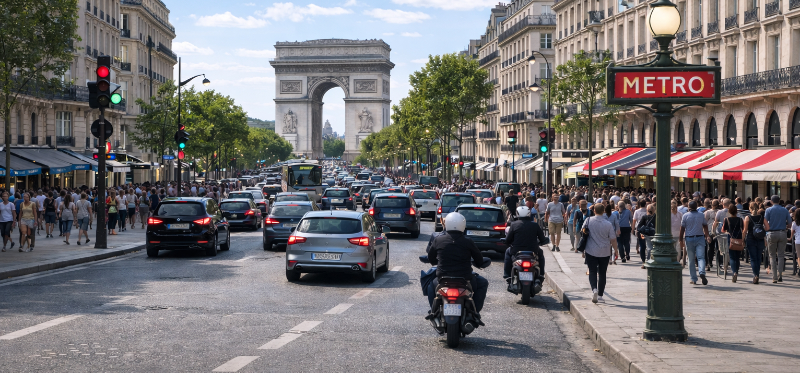
Paris is famous for its charm, history, and bustling streets, but for drivers, traffic can be increasingly challenging. Over the past few years, the city’s traffic has worsened, partly due to ongoing road closures and urban planning policies aimed at promoting sustainable mobility.
The Mayor of Paris has prioritized cycling and pedestrian zones, closing or restricting several streets to car traffic. While this makes the city greener and safer for cyclists and walkers, it also increases congestion on the remaining roads, especially during rush hours.
Key points for tourists:
Crossing Paris, East to West
Paris may look small on the map, but crossing the city from east to west can take much longer than expected due to heavy traffic, road closures, and narrow streets.
Why Some Arrondissements Are Not Covered
Paris traffic is increasingly heavy due to road closures for bike lanes and pedestrian zones. Some areas also see frequent protests, strikes, or demonstrations, especially around Bastille, Nation, and République.
To ensure a smooth and punctual tour, we avoid districts where traffic or disruptions may interfere.
Advice Before Booking Your Hotel or Apartment
Choosing the right arrondissement is essential for a smooth and enjoyable stay in Paris. Each district has its own atmosphere, attractions, and level of tourist activity.
Tip for tourists:
Knowing the arrondissement in advance helps you save time, avoid stress, and enjoy your Paris visit fully.
Dates When Demonstrations Often Happen in Paris