
Please note that all tips, observations, and cultural insights shared here reflect personal experience and general guidance. They do not represent every Parisian or every situation. These suggestions are meant to help travelers, not to generalize or speak on behalf of the entire population.
Paris Travel Tips for First-Time Visitors
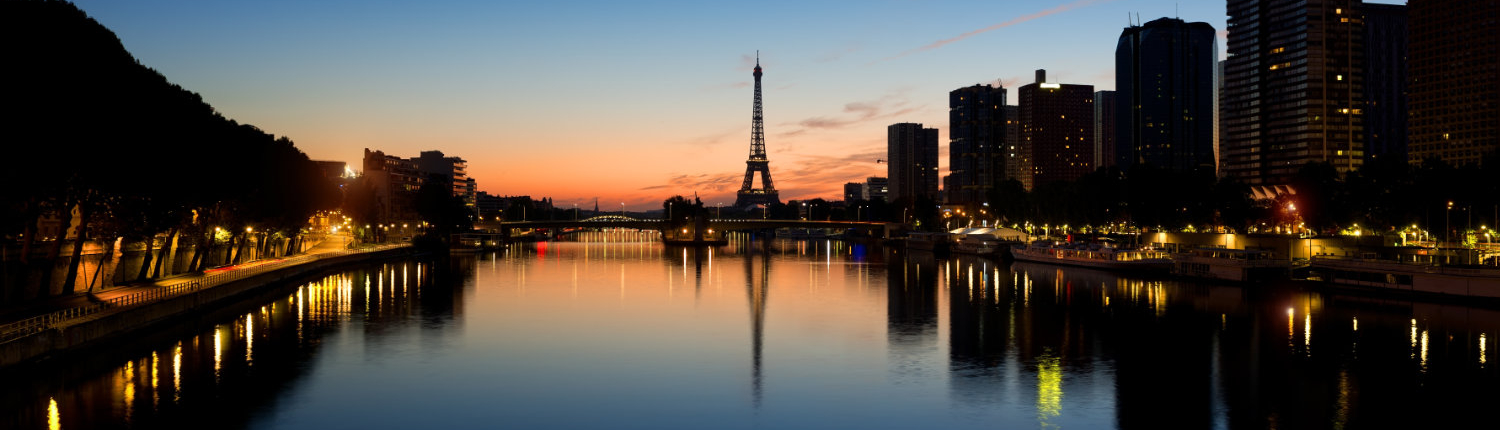
And of course, many expectations about Paris come from what we see on screen. First, Emily in Paris offers a bright, charming, simplified version of the city, where every problem turns into something cute and where life unfolds like a stylish daydream. Then comes Tom Cruise, racing across Paris in Mission: Impossible, jumping over rooftops, speeding along the Seine, and transforming the city into a stage for extraordinary stunts. Finally, many action films present Paris as a dramatic playground filled with car chases, secret missions, and cinematic danger. These portrayals are entertaining and they help shape the fantasy that travelers carry long before they arrive. But as beautiful and exciting as they are, they remain scripted visions fragments of the truth, stretched and polished for the camera.
At this point in our guide, we try to go further by examining these images honestly. We take the time to explore what is true, what is false, and what lies somewhere in between.
Emily in Paris — A Paris That Exists Only on Screen
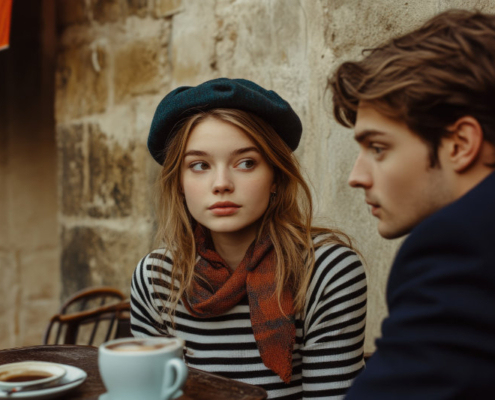
When we look at Emily in Paris, we are not seeing the real Paris, but a charming dream built from clichés, bright colors, and perfect lighting. The landscapes are real the Seine, the narrow streets, the cafés, the monuments but they are framed in a way that hides the everyday details. Like any great city, Paris has clean corners and messy ones, beauty and imperfections living side by side. In the series, however, the imperfections are politely pushed out of the frame, leaving only the postcard version.
Emily herself is part of this fantasy. Her outfits are stunning, creative, and beautifully styled but completely unrealistic for someone living in Paris on a junior salary. No one takes the métro in couture-level clothing, and no entry-level employee owns a wardrobe worthy of a fashion museum. Her lifestyle, too, feels closer to a fairy tale than to the reality of young professionals in Paris. She dines as if she had no budget, glides through the city without stress, and somehow avoids the financial pressure that most Parisians know all too well.
Then there is Sylvie, the ultimate caricature of the Parisian boss: always late, always impeccably dressed, always beautifully irritated and apparently with a lover in every district of Paris. She embodies the eternal cliché of the Parisian woman: elegant, sharp-tongued, dangerously confident, and mysteriously unavailable. It is entertaining, certainly, but far from the everyday personality of most Parisians. Real people are less dramatic and far more likely to be late because the métro stopped again.
The show gathers every classic Parisian stereotype the flirtatious neighbor, the poetic chef, the impossible romance, the chaos that always turns out adorable and places them in a world where everything resolves beautifully in 30 minutes. And yet, this exaggeration is exactly why the series is loved. It plays with the fantasies that even some French people secretly hold about their own capital: a Paris where life is easier, prettier, lighter; a Paris where drama is stylish rather than stressful.
Emily in Paris is not the truth it is the dream.
And sometimes, let’s admit it, even Parisians enjoy escaping into that dream… especially when their real train is delayed, the rent is due, and no handsome chef magically appears to fix the day.
Tom Cruise’s Paris The City Where Physics Takes a Vacation
If Emily gives us the soft, pastel version of Paris, Tom Cruise delivers the opposite: the turbo-charged, gravity-defying, “who-let-him-do-that?” Paris of Mission: Impossible. His Paris is spectacular, but absolutely nothing he does would ever be possible in real life, unless you suspend the laws of physics, traffic regulations, and common sense.
Let’s start with the rooftop chase. In the film, Tom leaps across Parisian rooftops as if the entire city were an adult obstacle course designed exclusively for him. In reality, those rooftops are steep, fragile, and heavily protected. The only person allowed to climb them is the chimneysweep, and even he wouldn’t attempt a full-speed sprint while wearing a suit.
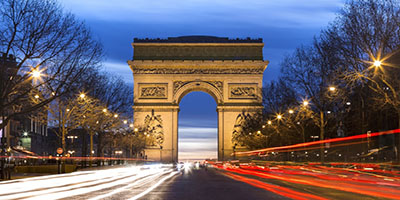
Then there’s the motorcycle chase through Place de l’Étoile. Tom cruises against traffic around one of the most chaotic roundabouts in the world. In everyday Paris, even experienced taxi drivers avoid this circle unless absolutely necessary, and when they do, they whisper a little prayer before entering. If a normal person tried Tom Cruise’s driving style there, they wouldn’t make it full circle. In fact, they wouldn’t make it half.
And now, the famous chase on the Champs-Élysées. Tom speeds down the avenue as if it were his private driveway, weaving between cars like the laws of probability don’t apply. In real life, if you try to drive like Tom on the Champs-Élysées, your adventure will last exactly five minutes, and that’s if you’re lucky. Between the traffic, the police, the red lights, the tourists, and the street vendors selling miniature Eiffel Towers, your mission will end long before it becomes impossible.
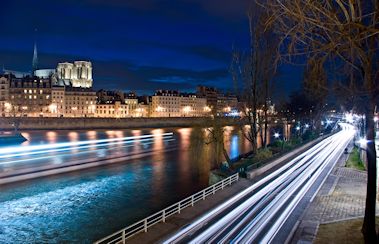
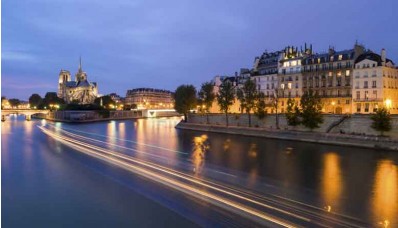
Let’s not forget the riverside chase along the Seine, shown as beautifully empty in the film. In reality, those same lanes are filled with joggers, scooters, strollers, photographers, confused tourists, and at least one person walking a dog too small for its own leash. Tom’s smooth ride would last about four seconds before turning into a polite but tragic collision.
And then, of course, Tom jumps off things, bridges, buildings, whatever is available. In Paris, you cannot jump off anything taller than a bike rack without paperwork, permits, safety barriers, and three committee meetings. By the time the city grants approval, the villain would not only escape but probably write a memoir about it.
But this is exactly why these scenes work. They show a Paris that exists only in cinematic fantasy, a Paris without honking, bureaucracy, crowds, or delays. A Paris where Tom Cruise can run, jump, drive, fly, and still arrive on time for dinner.
Parisians watch these scenes with admiration and a smile, often thinking:
“Yes, it looks amazing… but try that on a normal Tuesday in Paris, and you won’t last five minutes.”
Ratatouille – The Most Impossible Story Ever Told About Parisian Cuisine
After talking about Emily’s dreamy version of Paris and Tom Cruise’s acrobatic version, we must now address the film that confuses visitors the most: Ratatouille. Without fail, clients ask us:
“Where is the restaurant from the movie? We want to eat there!”
It’s a charming question, but before answering it, we must ask another one:
Why on earth did they choose a rat as the hero of a cooking film?
In real Paris, a rat is not a symbol of talent it is the number one enemy of every restaurant. Chefs spend half their careers ensuring that these creatures never come near their kitchens. A real Parisian restaurant would rather shut down than hire a sous-chef with whiskers and a tail.
And yet, Ratatouille makes it work beautifully. Remy is talented, passionate, and somehow able to sauté vegetables without anyone fainting. The film takes the most unlikely scenario imaginable a rat in a Michelin-star kitchen and turns it into one of the most heartwarming declarations of love to French cuisine.
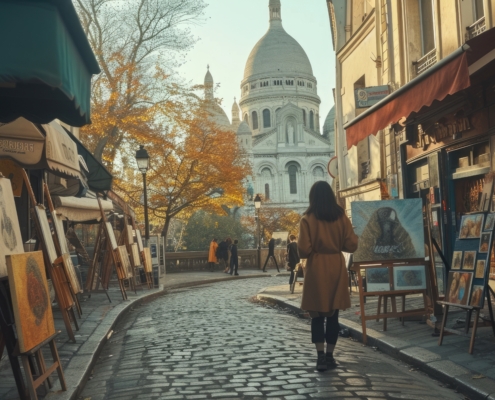
But the confusion doesn’t stop there. Many visitors truly believe that the restaurant exists. And in a way, they’re not entirely wrong. Pixar artists did draw inspiration from Montmartre especially places like Le Consulat or La Mère Catherine, with their charming façades, red awnings, and lively terraces. Montmartre’s steep streets, glowing windows, and nostalgic atmosphere shaped the look of Gusteau’s restaurant. So yes: the spirit of the place is real.
But no, you will not find Remy cooking in the back, or a ghost-chef giving advice, or health inspectors applauding a rodent’s culinary genius.
If a rat walked into a Parisian kitchen, the only Michelin star involved would be the star you see when the owner faints.
Still, this is exactly why Ratatouille remains such a beloved fantasy. The film simplifies Paris, softens its edges, and transforms one of its biggest inconveniences into a character you can’t help loving. It celebrates the idea that talent can come from anywhere, even from the most unlikely creature.
And about the restaurant?
Here is the most honest answer we give to visitors:
“You can’t eat where Remy cooks… but you can walk the cobblestone streets that inspired him.”
Which, in truth, is far more magical, and definitely much cleaner.

Why We Tell You All This — With Genuine Affection
After Everything We’ve Seen… Preparing Your Trip with Realism and Kindness
After everything we’ve just explored, the TV clichés, the Hollywood stunts, and the animated dreams that could never happen in real life, it is time to return to the reality of travel.
Because after twenty years of welcoming, observing, and assisting visitors in Paris, we’ve learned that much of their experience depends on very simple things… things that travelers often overlook.
And among these essential elements, the place you choose to stay stands far above the rest.
We cannot say it enough:
Your hotel is not just a bed.
It is your base, your safety, your peace of mind, your starting point and your landing point.
It influences your energy level, your transportation budget, the quality of your evenings, and sometimes even your entire perception of the city.
And yet, choosing a neighborhood when you live on the other side of the world is not easy.
Google Maps shows calm streets.
Google Photos shows charming façades.
Hotel ratings look reassuring.
But what you cannot see online is the real atmosphere of a neighborhood, especially after dark.
We have a very telling example.
A True Story from an Australian Family: When Reality Goes Beyond Google Maps
An Australian family had booked an airport transfer with us. When we saw the address of their hotel, right next to Gare de l’Est, we politely asked if that was truly their final choice. Out of respect, we explained that although this area is central and very convenient during the day, it becomes much less comfortable and secure after nightfall. Their response was sincere and completely understandable:
“On Google Maps, it looks calm, and the hotel has a great rating.”
And this is exactly where the misunderstanding begins.
What they didn’t know is that some parts of Paris change atmosphere entirely once the sun goes down. This particular sector becomes what locals call a “hot zone”: the presence of prostitution, illicit activity, and late-night gatherings can make the surroundings uncomfortable, especially for a family. None of this appears in online photos. None of it is mentioned in hotel reviews. None of it is visible at noon on Google Street View.
This is precisely why we insist on the importance of choosing your accommodation wisely. Not to scare you, not to paint a negative picture, but because Paris is a real city , not a frozen postcard. It is beautiful, vibrant, and fascinating… but it also requires a bit of understanding and preparation to be fully appreciated.
This is why we created these themes: to give you the keys, not just the pictures.
To help you arrive informed, confident, and able to make the best decisions for yourself, your family, and your peace of mind. Because Paris today is not the Paris of twenty years ago: neighborhoods have changed, some have flourished, others have become more complex, and you must learn to read the city as it truly is, not just as it appears online.
Our goal has never been to worry you, but to protect you, guide you, and ensure that your stay matches your expectations , or even exceeds them.
Advice #1: Choosing the Right Neighbourhood: The Foundation of a Successful Trip
After many years of guiding visitors in Paris, one thing has become clear: your accommodation is not just a place to sleep, it is the base of your entire experience. Your neighbourhood will influence your comfort level, your transportation costs, your safety, your energy, and even how you perceive the city.
Yet choosing the right hotel location from abroad is rarely straightforward.
What looks calm on a map does not always reflect the lived reality of a neighborhood.
But what you cannot see online is the true atmosphere of a neighbourhood especially after sunset.
Some streets look peaceful during the day but become busy or uncomfortable at night. Others appear far from everything on the map but are actually central and very well connected. The challenge is that Paris does not reveal its character in pictures; it reveals it in daily life.
This is why choosing the right neighbourhood is not a detail.
It is a real strategy.
A well-chosen location will save you time, reduce transportation costs, increase your feeling of safety, and make your days far more enjoyable. On the other hand, staying too far east or in a poorly connected neighbourhood often means spending money every day on Uber or taxis and losing precious hours crossing the city.
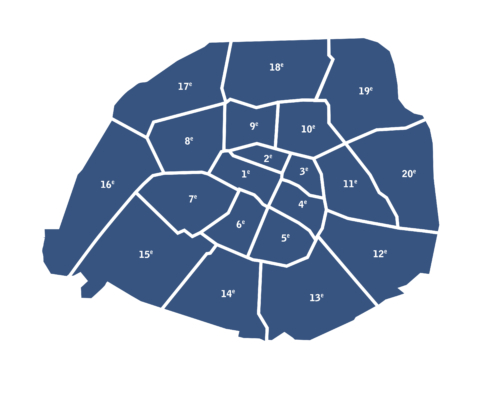
Understanding Paris: The Arrondissements Explained (Paris Map Key)
To help travelers make informed decisions, we created the theme “Paris Map Key”: a simple, intuitive guide to the 20 arrondissements of Paris.
The city is shaped like a spiral: the 1st arrondissement is at the center, and the numbers grow as you move outward.
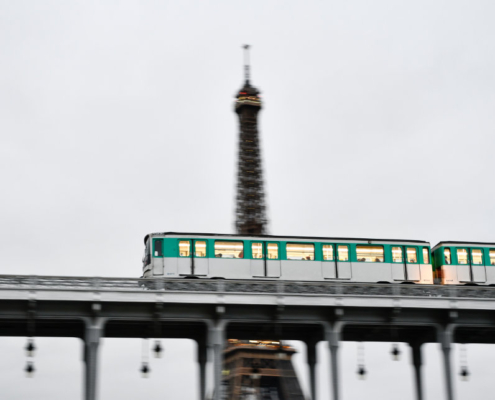
Advice #2: Move Around Paris the Smart Way
Getting around Paris can be simple and enjoyable or confusing and exhausting depending on how you approach it. The city has an excellent public transportation system, but it also has rush hours, crowded lines, unexpected delays, and neighbourhoods where taxis or rideshares become more convenient than the metro.
Many travelers lose precious time simply because they don’t know which lines to avoid, which stations are under renovation, or when traffic is at its worst. Others walk long distances without realizing that a direct bus or metro line could take them there in minutes. And some rely on Uber for everything, only to face high prices and heavy traffic across the city.
Moving smartly in Paris is not about choosing one single mode of transport it’s about choosing the right one at the right moment.
Once you understand a few simple principles, every journey becomes smoother, quicker, and far less stressful.
What Most Visitors Discover Too Late
• Not all metro lines feel the same some are extremely crowded during peak hours.
• The RER can be fast… but also unpredictable when delays or strikes occur.
• Uber and taxis are comfortable, but costs rise quickly across long distances.
• Sometimes walking is actually faster than taking the metro for one or two stops.
Navigating the city intelligently helps you save time, energy, and money so you can enjoy more of the Paris you came to see.
For more detailed information, please refer to the section Paris Transportation.
Advice #3: Eat Well in Paris Without Falling Into Tourist Traps
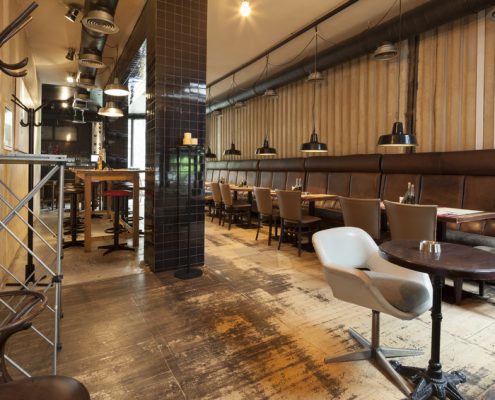
Paris is one of the world’s greatest food cities, but that doesn’t mean every restaurant in Paris is great. Many visitors make the same mistake: choosing places that look convenient rather than places that cook well. The restaurants closest to major landmarks often rely on tourists, not on quality, and their menus, photos, and prices reflect that.
The good news?
You don’t need to spend a fortune to eat beautifully in Paris.
You simply need to know where to look.
A few streets away from the busy tourist zones, you’ll find family-owned bistros, traditional bakeries, local markets, and restaurants where Parisians themselves eat. These places offer better food, better prices, and a far more authentic experience.
Eating well in Paris is not about luck it’s about making smart choices.
What Many Visitors Realize Afterwards
• Restaurants right next to monuments often look appealing… but disappoint.
• Photos of food on the menu are rarely a good sign.
• The best meals are often found in small streets just beyond the main squares.
• Local bakeries, markets, and simple bistros offer incredible value.
A little curiosity can turn every meal into a discovery rather than a disappointment.
For more insider tips, please refer to the section Paris Food & Restaurants.
Advice #4: Understand the Parisian Rhythm
To truly enjoy Paris, it helps to understand how the city moves. Parisians often appear fast, focused, and sometimes even abrupt but this is not a lack of politeness. It is simply the rhythm of a dense, busy capital where everyone is trying to keep their day on track.
Visitors sometimes feel overwhelmed by the pace: the speed at which people walk, the direct tone, the rush in the metro, the efficiency in cafés. But once you recognize this rhythm, everything becomes easier. You learn when to step aside on a sidewalk, how to flow with the crowd in the metro, and how to interact smoothly with shopkeepers and servers.
The Parisian rhythm isn’t there to intimidate you it’s just the city breathing.
What Many Visitors Notice After a Few Days
• Parisians walk quickly, even when they’re not in a hurry.
• They avoid unnecessary small talk with strangers, but they’re not unfriendly.
• Cafés may feel fast-paced, but that efficiency is part of the culture.
• Blending into the rhythm makes the city feel more welcoming.
Understanding this tempo turns confusion into comfort — and makes your stay far more enjoyable.
For a deeper explanation, see the section Parisian Etiquette & Daily Life.
Advice #5: Never Underestimate the Power of “Bonjour”
If there is one word that can completely transform your experience in Paris, it is “Bonjour.”
In France, this simple greeting is not optional it is the foundation of every polite interaction. Starting a request without saying bonjour first can be perceived as rude, even if you mean well. Many misunderstandings between visitors and Parisians begin right there.
A traveler enters a bakery and says directly:
“Two croissants, please.”
The response is cold, the service feels rushed, and the visitor walks away thinking Parisians are unfriendly.
But with one small word Bonjour the entire atmosphere changes.
It signals respect, acknowledgment, and basic courtesy.
And the effect is immediate.
Even if you cannot speak French, a simple “Bonjour” spoken with a smile will open more doors than any phrasebook.
What Visitors Quickly Discover
• With “Bonjour,” Parisians become noticeably more welcoming.
• Without it, interactions often feel abrupt or cold.
• In small shops, “Bonjour” matters even more than “Thank you.”
• You don’t need perfect French just the greeting.
“Bonjour” is the cultural key that turns Paris from distant to charming in a single second.
For more cultural insights, see the section French Etiquette Essentials.

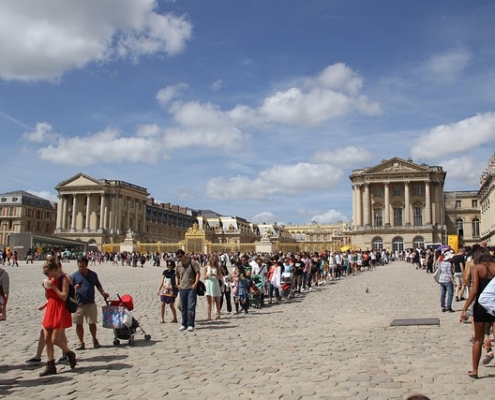
Advice #6: Visit at the Right Time to Avoid the Crowds
Paris is beautiful at any hour but your experience can change dramatically depending on when you choose to visit each attraction. Many travelers arrive at famous sites in the middle of the afternoon, when the crowds are at their peak, the lines are longest, and the atmosphere is the least enjoyable.
But with a bit of planning, you can experience Paris in a much calmer, more pleasant way.
Most museums, monuments, and iconic places are far more enjoyable early in the morning or later in the afternoon. The light is softer, the temperatures are gentler, and the crowds are smaller. Montmartre at 8 a.m. feels like a village; at 3 p.m., it feels like a festival. The Louvre at opening time is peaceful; by midday, it becomes a sea of people.
Choosing the right moment doesn’t mean doing less
it means enjoying more.
What Visitors Often Discover Too Late
• The Louvre is peaceful at 9 a.m.… and overwhelming at 2 p.m.
• The Eiffel Tower is magical at sunset, not under the midday heat.
• Montmartre is stunning early in the morning, long before the crowds arrive.
• Parks and gardens are most charming at the start and end of the day.
Visiting smartly lets you experience Paris at its best — not at its busiest.
Advice #7: Understand Parisians, The Outside Doesn’t Reflect the Inside
Parisians have a global reputation: fast, serious, sometimes distant.
But much of this perception comes from cultural differences rather than true personality. What visitors often interpret as coldness is usually just reserve, efficiency, or the natural rhythm of life in a busy capital.
Parisians don’t smile automatically at strangers, avoid unnecessary small talk, and tend to be direct when speaking. This can feel abrupt to some visitors, but it is simply how communication works here concise, efficient, and respectful of everyone’s time.
Yet behind this exterior, Parisians can be warm, helpful, and surprisingly friendly once the first barrier is crossed. A polite greeting, a small effort in French, or a simple respectful attitude can completely change the interaction.
Parisian “attitude” is rarely personal
it’s cultural.
What Visitors Learn After a Few Days
• Parisians seem reserved at first, but become very friendly when approached politely.
• They value direct communication — it’s not rudeness, it’s clarity.
• They walk quickly and rarely make eye contact with strangers.
• A sincere “Bonjour” and a respectful tone open the door to kindness.
Once you understand how Parisians communicate, the city suddenly feels less intimidating — and far more charming.
For deeper cultural insights, see Understanding Parisians & Cultural Differences.
Advice #8: Learn How to Avoid Common Scams
Like every major tourist destination, Paris has a few individuals who take advantage of visitors’ inattention. The good news is that most scams are simple, predictable, and very easy to avoid once you know what to look for. Our goal is not to alarm you, but to prepare you so you can enjoy Paris without unpleasant surprises.
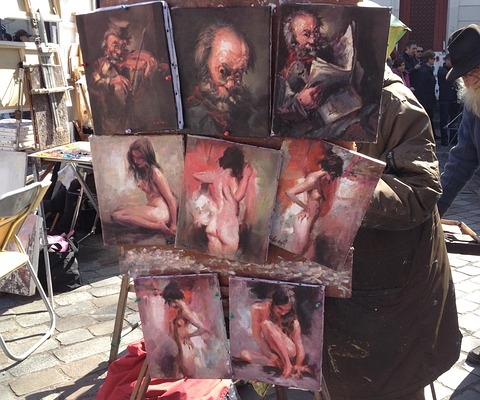
The most common scams happen in busy tourist areas such as Montmartre, the Eiffel Tower, the Louvre, and certain metro stations. They include “free” bracelets, fake petitions, street games that are always rigged, and very discreet pickpockets who target open bags and visible phones.
Staying alert without being anxious is the key.
A few basic precautions are enough to keep your belongings safe and your trip stress-free.
What Visitors Often Realize Too Late
• Pickpockets usually work in teams and target crowded areas.
• “Free” bracelets are never free and often end in pressure tactics.
• Petition scams are designed to distract you while someone else approaches.
• Street gambling games are always fixed, without exception.
You don’t need to be suspicious of everyone just mindful of your surroundings.
For a full list of scams and how to spot them, see Safety & Awareness in Paris.
Advice #9: Choose the Right Transportation From the Airport
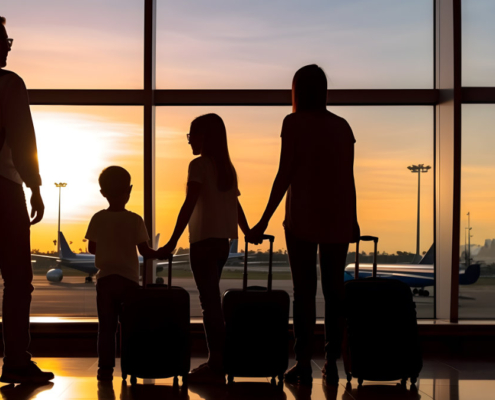
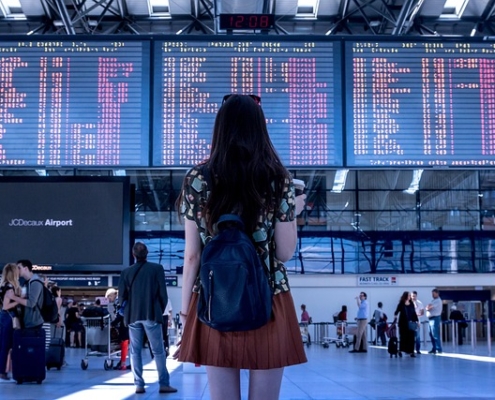
Your Paris experience begins the moment you land and the transportation you choose from the airport can determine whether your arrival feels smooth and welcoming, or stressful and exhausting. Paris offers several options, but each comes with considerations travelers often discover too late.
If you are arriving from the USA or Canada, especially on early-morning long-haul flights, expect 1 to 2 hours of immigration and customs waiting time.
This unpredictability is precisely why we no longer offer early-morning airport pickups: too many passengers were delayed for reasons beyond their control.
Once you exit the terminal, you’ll see several transport choices but after observing thousands of travelers over the years, we can confidently say this:
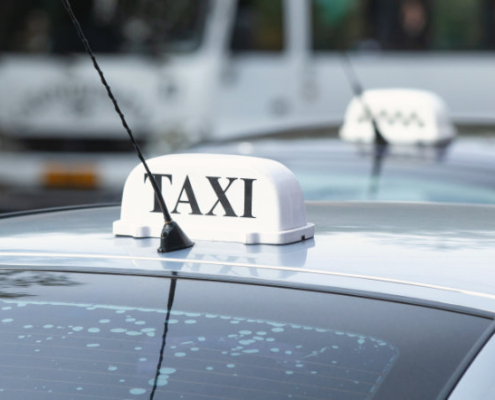
Why Official Paris Taxis Are Your Best Option After a Long-Haul Flight
Official taxis are simple, safe, reliable, and regulated. The rates from the airport to Paris are fixed by the French government, which means:
The driver cannot charge more than the official price.
There is no negotiation, no surprise fees, and no inflated pricing.
The price is fixed: €55 to €70, depending on whether you go to the Right Bank or Left Bank.
This transparency makes taxis one of the most trustworthy options for tired travelers.
And here is an important tip:
If you ever feel the amount charged seems higher than it should be, simply ask the driver for a printed receipt (une facture) that includes:
• the taxi license number,
• the taxi company name,
• the driver’s identification,
• and the exact fare.
With this information, you can report any irregularity to the police or the local authorities.
If a driver is caught cheating, they face serious penalties, including fines and suspension.
This system exists to protect travelers
and it works.
Why the RER/Metro Is Not Ideal for Jet-Lagged Travelers
Even though the RER B train is inexpensive and relatively fast, it has two major drawbacks:
1. You are more vulnerable to pickpockets.
Airport passengers are prime targets. Thieves specifically watch for travelers who are:
• tired,
• carrying luggage,
• distracted by signs,
• unsure of the route.
This doesn’t mean the metro is dangerous
but it does require vigilance, which is difficult after a long flight.
2. The journey can feel overwhelming.
Stairs, crowds, narrow platforms, and possible delays can make the RER a stressful option, especially for families or first-time visitors.
Other Options: Uber & Private Shuttles
• Uber is convenient, but pricing fluctuates heavily depending on demand.
• Private shuttles are great for families but only if arrival times are predictable, which is rarely the case with long-haul flights.
What Travelers Often Realize Too Late
• “We were too tired to handle the metro with luggage.”
• “Immigration took nearly two hours we missed our shuttle.”
• “Uber was over €90 because of traffic.”
• “Someone tried to reach into my bag on the RER.”
• “A taxi would have been the simplest choice.”
A smooth arrival sets the tone for your entire trip.
Choosing wisely means beginning Paris with comfort, safety, and peace of mind.
For detailed comparisons, see our Paris Airport Transportation Guide.

Advice #10: Discover the Real Parisian Culture Beyond the Postcards
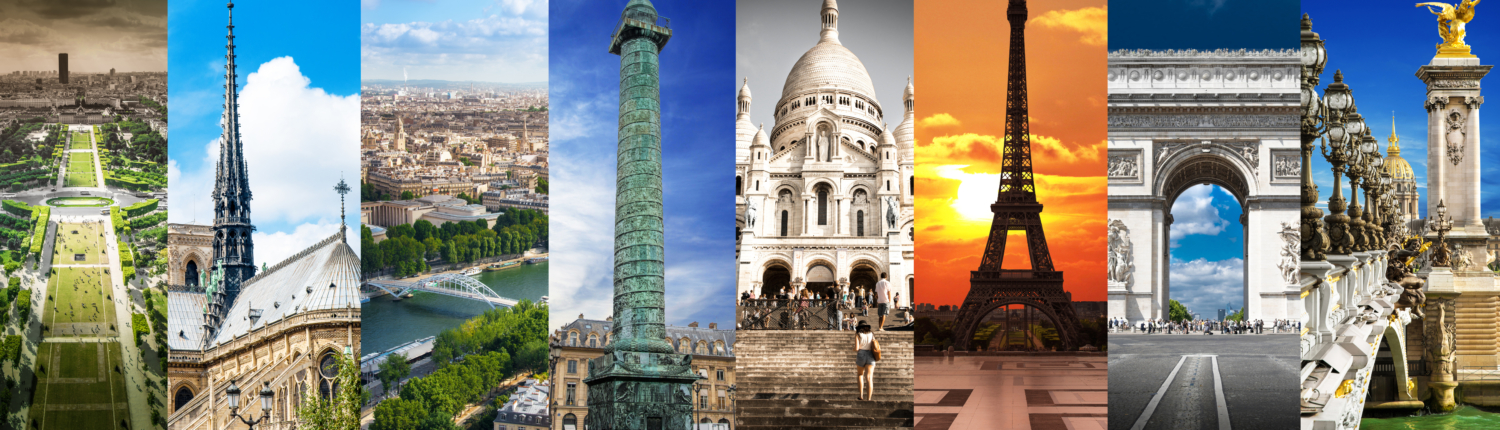
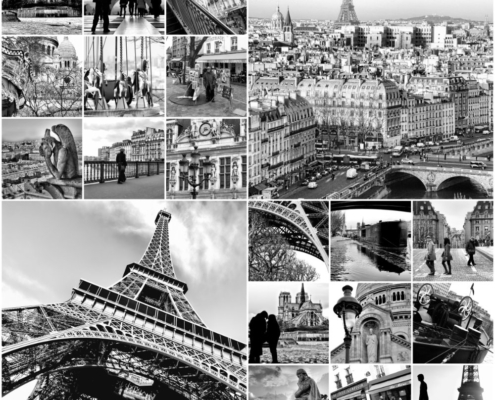
Paris is famous for its monuments the Eiffel Tower, Notre-Dame, the Louvre, Montmartre. But the true soul of the city lives elsewhere: in the daily life of its residents, in its neighbourhood cafés, in its markets, in the quiet moments between two metro stations.
Many visitors spend most of their time in the most touristic areas, only to realize later that they missed the authentic, living Paris the one Parisians actually inhabit and cherish.
The real Paris reveals itself when you step away from the postcard images.
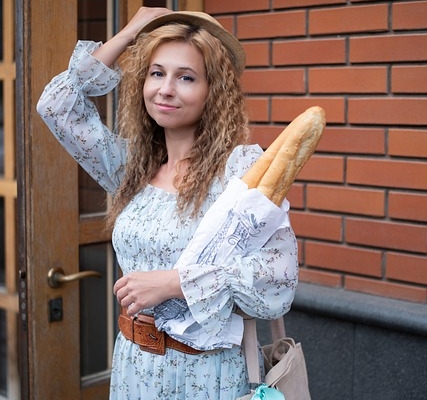
It appears when you buy a warm baguette from a local bakery, when you sit on a terrace and watch the city flow around you, when you wander through a neighbourhood market, or when you stumble upon a tiny bistro full of regulars.
This authenticity is not hidden it simply requires curiosity, a slower pace, and a willingness to look beyond the obvious.
What Travelers Often Discover With Delight
• The best Parisian moments often cost nothing a walk, a view, a conversation.
• Local markets like Aligre, Cler, or Mouffetard reveal everyday Parisian life.
• Neighbourhood cafés and bakeries offer more authenticity than major squares.
• Small streets reveal the city’s charm better than busy boulevards.
The real Paris isn’t a checklist it’s a feeling.
And it usually appears the moment you stop rushing and start observing.
Advice #11: Avoid the Most Common Tourist Mistakes
Even the most seasoned travelers can fall into habits that make their stay in Paris more stressful than it needs to be. These mistakes are not due to inexperience they are simply the result of not knowing how the city works behind the scenes.
One of the most common errors is trying to do too much in too little time. Paris is dense, rich, and layered; rushing from landmark to landmark often leads to exhaustion rather than enjoyment. Another frequent mistake is choosing restaurants or cafés directly next to major attractions, where prices are higher and quality is lower.
Many visitors also underestimate distances on the map, assume that Paris is small, or stay in neighbourhoods that seem convenient online but require long daily commutes. And finally, some travelers are unaware that certain areas change atmosphere dramatically at night.
The good news?
These mistakes are easy to avoid once you know what to look out for.
What Visitors Often Regret Afterward
• Trying to see everything and ending up too tired to enjoy anything.
• Spending too much time in transport due to a poorly located hotel.
• Paying high prices for disappointing meals near monuments.
• Forgetting that some neighbourhoods feel very different after dark.
• Not leaving space in the schedule for spontaneous discoveries.
Avoiding these common errors helps transform your stay from rushed and overwhelming to smooth, enjoyable, and memorable.
Advice #12: Enjoy Paris the Way Locals Do
Paris is often experienced through its monuments but its true magic is found in the simple, everyday moments. To appreciate the city as locals do, you don’t need a long list of attractions. You need curiosity, a slower pace, and a willingness to look around rather than rush ahead.
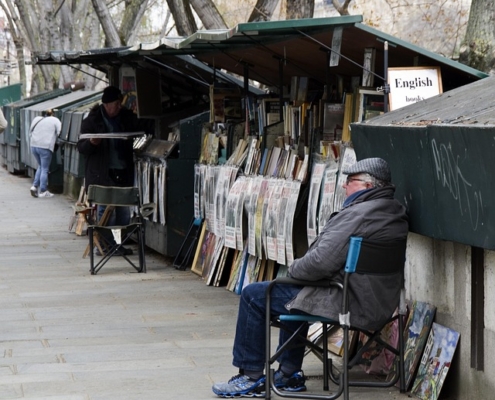
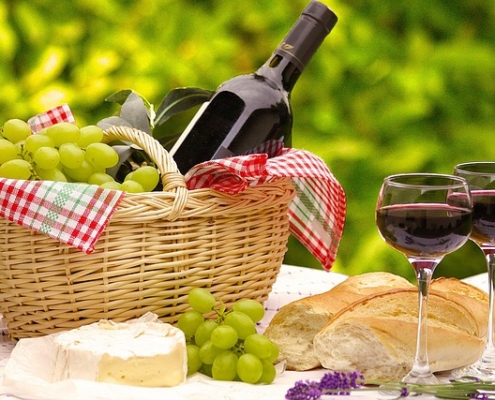
Parisians enjoy their city in subtle ways: a quiet morning walk through narrow streets, a coffee on a sunlit terrace, a spontaneous stop in a bookshop, a picnic on the Seine, a pause on a bench to watch the world pass by. These little moments, often unplanned and effortless, reveal a Paris most visitors never see.
You don’t need to “check off” Paris
you just need to let Paris happen to you.
When you combine iconic sites with everyday experiences, your trip becomes richer, more relaxed, and far more memorable.
What Visitors Often Remember Most
• A sunset picnic by the Seine or in a quiet park.
• An early-morning walk through Montmartre when the streets are empty.
• A warm croissant eaten on the go from a neighbourhood bakery.
• A conversation with a local in a tiny café.
• A small discovery made by accident a street, a shop, a view.
These authentic, gentle moments often become the highlight of an entire stay.
Conclusion: Your Preparation Starts Here 15 Advice & 15 Themes to Guide You
Throughout this guide, we have shared 15 essential pieces of advice practical, honest, and based on years of real experience with travelers in Paris. Each one is designed to help you avoid common frustrations, make informed decisions, and approach the city with clarity and confidence.
But preparation does not stop there.
To deepen your understanding, we have also created 15 detailed themes, each exploring a specific aspect of Parisian life: neighbourhoods, transportation, cultural differences, safety, food, etiquette, and more. These themes go beyond simple tips they offer context, explanations, and real insight into how the city truly works.
Together, the 12 Advice and the 15 Themes form a complete toolkit.
They give you both the overview and the details, the big picture and the local perspective. They are designed to help you prepare realistically, travel intelligently, and enjoy Paris with peace of mind.
Paris today is not the Paris of twenty years ago.
It continues to change, evolve, and surprise its visitors sometimes beautifully, sometimes unexpectedly. With knowledge and awareness, you can embrace this complexity, avoid unnecessary stress, and focus on what truly matters: the joy of discovering the city.
If this guide helps you see Paris more clearly, then it has succeeded.
Now, with these 15 Advice and 15 Themes in hand, you are ready to explore, understand, and truly enjoy Paris not just as a visitor, but as someone prepared to meet the real city.
Texte : GV-Paris Webservices – Photos : Adobe stock / Pixabay
RECOMMENDED BY