What to Do If You Get Sick in Paris
What to Do If You Get Sick in Paris
Once the doctor has visited you at your hotel or apartment, the rest of the process is very simple. The goal is to help you get your medication quickly so you can continue enjoying your trip with peace of mind.
You Receive a Prescription
After the examination, the doctor will give you a French prescription for any medications you need.
Very important: If you have a chronic medical condition, do not forget to show your own prescription from home (a photo is enough).
This helps the doctor:
- verify your usual dosage,
- avoid medication interactions,
- and renew your treatment correctly if needed.
French doctors and pharmacists are used to reading foreign prescriptions.
Go to a Pharmacy
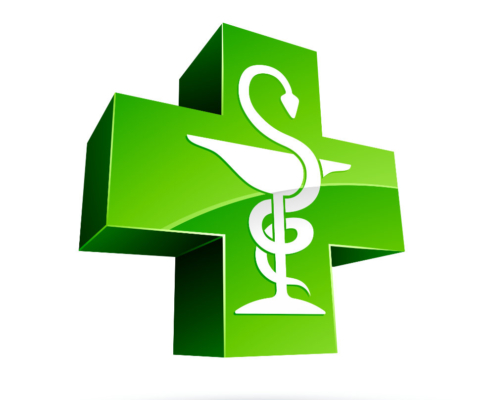
Pharmacies in Paris are easy to spot thanks to their green cross signs, often illuminated. You will find one on nearly every street corner.
The pharmacist will:
- read your prescription,
- prepare your medication,
- explain how to take it,
- and often speak English.
Good to know: medications in France are usually much cheaper than in the United States.
Many visitors are pleasantly surprised to pay only a fraction of the price they are used to.
Payment and Insurance
- You pay the doctor directly at the time of the visit (credit cards accepted).
- You pay for your medication at the pharmacy.
For insurance purposes, keep:
- the doctor’s invoice,
- the prescription,
- all pharmacy receipts.
Most travel insurance companies reimburse the full cost or a large portion of it.
If You Don’t Feel Better
If your symptoms persist or get worse, you have several options:
- Call SOS Médecins again for a follow-up visit.
- Ask a pharmacist for advice.
- Visit a clinic or a hospital if the issue becomes more serious.
Paris has excellent medical facilities, and many staff members speak English.
If You Forgot, Lost, or Ran Out of Your Regular Medication
This happens very often when traveling. In this situation:
- Show your original prescription (or a photo).
- The doctor can renew the treatment.
- The pharmacist can usually provide the French equivalent of your medication.
For essential treatments (insulin, anticoagulants, epilepsy medication, thyroid medication, etc.), contact a doctor quickly to get a new prescription.
Rest and Enjoy the Rest of Your Trip
In most cases, after starting the treatment and getting a good night’s rest, travelers tell us:
“I already feel better, we can continue our vacation!”
Paris is a great place to recover gently: peaceful cafés, gardens, museums… take it slow and enjoy the city.
Now that you understand how simple it is to get medical care in Paris, whether through SOS Médecins, pharmacies, or local hospitals, here is a complete list of important phone numbers and services that every traveler should keep close at hand.
These contacts will help you in any situation:
whether you need a doctor, a consultation at home, a pharmacy at night, emergency assistance, or simply practical support during your stay.
Below is the full list of numbers and services you can rely on while in Paris.
Emergency Numbers in France
112 – European Emergency Number
- Works anywhere in the EU.
- Free, available 24/7.
- Operators can speak multiple languages (including English).
- Use this if you are unsure which number to call.
15 – SAMU (Medical Emergency / Ambulance)
- For serious medical emergencies (heart problems, severe breathing difficulties, major accidents, loss of consciousness, etc.).
- A doctor will assess the situation over the phone and send an ambulance or direct you to the right hospital.
18 – Fire Brigade (Pompiers)
- Handles fires, accidents, injuries, domestic emergencies.
- Also responds to urgent medical situations, especially trauma or accidents in public spaces.
114 – Emergency SMS
- For people who are deaf, hard of hearing, or unable to speak.
- SMS only.
- Works anywhere in France, 24/7.
Additional Medical Services in Paris
SOS Médecins – 24/7 Doctor House Calls
3624 (from France)
+33 1 47 07 77 77 (from abroad)
- A doctor comes directly to your hotel or apartment.
- Available 24/7, including nights, weekends, and holidays.
- Most doctors speak English.
- Payment by credit card or cash.
- You receive a document for travel insurance reimbursement.
- Commonly used for fever, infections, stomach issues, flu, allergic reactions, etc.
SOS Dentaires, Dental Emergencies
+33 1 43 37 51 00
- For urgent dental problems: severe toothache, infection, broken tooth, lost crown, trauma.
- They can direct you to the nearest on-duty dentist.
- Open late evenings and weekends, depending on the schedule.
- Many dentists speak English.
Centre Antipoison de Paris, Poison Control Center
+33 1 40 05 48 48 (24/7)
- Free expert advice for accidental ingestion, medication overdose, chemical exposure, allergic reactions, food poisoning, or any toxic risk.
- Doctors answer directly and guide you step-by-step.
- Useful if you:
- took the wrong medication,
- mixed medicines by mistake,
- ate something questionable,
- were exposed to a household product.
Paris has one of the most reputable healthcare networks in Europe. Whether you need urgent care, specialized treatment, pediatric services, or English-speaking assistance, the city offers numerous options. Public hospitals provide 24/7 emergency rooms, while several private clinics and international medical centers are available for visitors who prefer English-speaking staff.
Below is a comprehensive guide to the main hospitals and medical services across Paris.
Main Public Hospitals (AP-HP Network)
These hospitals are part of the public healthcare system and are equipped for most medical emergencies.
Hôpital de la Pitié-Salpêtrière (13th arrondissement)
47-3 boulevard de l’Hôpital, 75013
One of the largest hospitals in Europe
24/7 emergency room
Neurology, cardiology, trauma care
Hôpital Européen Georges-Pompidou (15th arrondissement)
rue Leblanc, 75015
Modern hospital with advanced cardiology units emergency services
Hôpital Hôtel-Dieu (4th arrondissement, Notre-Dame)
1 parvis Notre-Dame, 75004
Central location on Île de la Cité
General emergency room
Ophthalmology emergencies
Hôpital Cochin (14th arrondissement)
27 rue du Faubourg Saint-Jacques, 75014
Large adult emergency department
Endocrinology, gastroenterology
Hôpital Saint-Louis (10th arrondissement)
avenue Claude-Vellefaux, 75010
Dermatology, hematology Emergency room
Hôpital Lariboisière (10th arrondissement)
2 rue Ambroise-Paré, 75010
Major trauma center
24/7 emergencies
Close to Gare du Nord (useful for travelers
Hôpital Bichat – Claude-Bernard (18th arrondissement)46 rue Henri Huchard, 75018
Infectious diseases, pulmonology, trauma care
Emergency room
Pediatric Hospitals (Children Only)Hôpital Necker – Enfants Malades (15th arrondissement)
149 rue de Sèvres, 75015
Leading pediatric hospital in France
24/7 pediatric emergency room
Specialists for infants, children, teenagers
Hôpital Armand-Trousseau (12th arrondissement)
26 avenue du Docteur-Arnold-Netter, 75012
Pediatric emergencies
Allergies, respiratory illnesses, digestive issues
Maternity & Women’s Health Hospitals
Hôpital Port-Royal (14th arrondissement)
123 boulevard de Port-Royal, 75014
Maternity care
Gynecology emergencies
Hôpital Tenon (20th arrondissement)
4 rue de la Chine, 75020
Gynecology, urology
Adult emergency room
Hospitals With Emergency Rooms (“Urgences”)
Hôpital Hôtel-Dieu
Hôpital Cochin
Hôpital Pitié-Salpêtrière
Hôpital Lariboisière
Hôpital Saint-Louis
Hôpital Georges-Pompidou
Hôpital Necker (children)
Hôpital Trousseau (children)
English-Speaking & International Hospitals
American Hospital of Paris (Private)
Neuilly-sur-Seine
+33 1 46 41 25 25
English-speaking staff
Appointments and emergency care
More expensive but very comfortable for U.S. visitors
American Medical Center Paris
16 avenue du Colonel Bonnet, 75016
+33 6 98 01 04 18
Walk-in consultations
General medicine, pediatrics
Prescription refills, flu, allergies, infections
British Hospital / Institut Franco-Britannique
3 rue Barbès, 92300 Levallois-Perret
+33 1 47 59 59 00
Bilingual staff
General and specialized care
Pharmacies in Paris: Easy to Find and Very Helpful
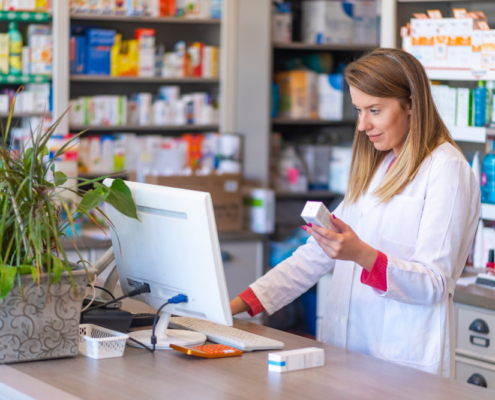
Pharmacies are one of the easiest healthcare resources to access in Paris. You will find them absolutely everywhere in the city, often only a few minutes apart. They are very easy to recognize thanks to the bright green neon cross displayed outside. For many minor health issues, a pharmacy should be your first stop.
French pharmacists are highly trained medical professionals, and they can help with a wide range of common symptoms such as fever, cold and flu discomfort, sore throat, allergies, digestive problems, small cuts or burns, skin irritation, and minor infections. In many cases, you do not need to see a doctor first, because the pharmacist can give you excellent medical advice and recommend the appropriate over-the-counter medication. If your situation requires a doctor, they will tell you clearly and guide you toward SOS Médecins or another medical service.
Most pharmacies in Paris are open from Monday to Saturday, generally from around 9:00 a.m. to 8:00 p.m. There is always, at any hour of the day or night, at least one “pharmacie de garde,” meaning an on-call pharmacy open for urgent needs. If you need medication late in the evening, you can check online for the nearest pharmacy on duty, look at the information posted on the window of any pharmacy, or simply ask the reception at your hotel, who will know exactly which one is open.
When traveling, it is always useful to bring a list of the medications you take regularly or a photo of your prescription from home. This allows the pharmacist to find the exact French equivalent if you need a refill or if you accidentally forgot your medication. Many travelers are pleasantly surprised by how affordable medicines are in France compared to other countries, especially the United States. The quality is excellent and the prices are generally much lower.
Pharmacists can also check for possible interactions between your regular medication and anything you are considering taking. They will let you know whether a treatment is safe or whether you should adjust the dosage. Pharmacies also carry many practical health essentials such as thermometers, bandages, antiseptics, hydration solutions, eye drops, first-aid supplies, motion sickness tablets, mosquito repellent, or pregnancy tests.
If your symptoms worsen or you begin to feel more unwell, do not hesitate to ask the pharmacist what you should do next. They may advise you to call SOS Médecins, to consult a nearby doctor, or, in more serious cases, to go to an emergency department. Many pharmacies in Paris also have small consultation rooms where they can check your blood pressure, administer vaccinations, or perform COVID or flu tests.
If you need help in English, a simple phrase is usually enough:
“Do you speak English? I’m not feeling well and I need some advice.”
Most pharmacists will understand you and be happy to help.
Conclusion: What a Pharmacy Can Do for You in Paris
In conclusion, a pharmacy in Paris can help you with many medical needs during your trip. A pharmacist can:
- give you professional medical advice for mild to moderate symptoms,
- recommend safe and effective over-the-counter medications,
- check for interactions with the medicines you already take,
- explain how to use your treatment properly,
- provide essential health products (first aid, hydration, eye drops, etc.),
- tell you whether your condition requires a doctor,
- guide you toward SOS Médecins or an emergency service if needed.
A pharmacy is often the easiest and fastest place to get help when you don’t feel well in Paris.
If you become sick while traveling abroad and need additional help, your embassy or consulate can be an important source of support. Although they cannot provide medical treatment, they can assist with essential services such as replacing lost passports, offering emergency guidance, helping you contact family members, providing documentation for insurance, or helping after a hospital visit. They can also offer translation assistance or clarify administrative procedures in France.
Below you will find practical medical information by nationality, followed by the addresses and phone numbers of the embassies most frequently used by our visitors.
Practical Information by Nationality
1. Travelers from the United States
In France, medical care must generally be paid upfront, including doctor visits, urgent care, and medications. Keep all receipts for travel insurance reimbursement. U.S. prescriptions may not match French medications, so bring the original packaging or a photo.
In case of a serious emergency, dial 112.
Paris offers many English-speaking doctors, and the American Hospital of Paris is available for private care.
U.S. Embassy in Paris
2 avenue Gabriel, 75008 Paris
+33 (0)1 43 12 22 22
2. Travelers from the United Kingdom
After Brexit, UK travelers are not automatically covered in France. Bring your GHIC or EHIC if you have one, which provides access to medically necessary public healthcare at reduced cost. Some treatments may still require upfront payment.
British Embassy
35 rue du Faubourg Saint-Honoré, 75008 Paris
+33 1 44 43 29 00
3. Travelers from the European Union (EU), EEA & Switzerland
Bring your European Health Insurance Card (EHIC) for access to public healthcare at local rates. You may be asked for your passport or ID. Private clinics may charge upfront.
Swiss Embassy
142 rue de Grenelle, 75007 Paris
+33 1 44 18 88 00
4. Travelers from Canada
All medical care must be paid directly in France, as Canadian provincial health plans do not cover international treatment. Travel insurance is essential. Bring your prescription if you have long-term medication.
Canadian Embassy
130 rue du Faubourg Saint-Honoré, 75008 Paris
+33 (0)1 44 43 29 00
5. Travelers from Australia & New Zealand
There is no reciprocal healthcare agreement between France and most travelers from Australia or New Zealand. You must pay upfront and rely on travel insurance. English-speaking medical services are widely available in Paris.
Australian Embassy
4 rue Jean Rey, 75015 Paris
+33 (0)1 40 59 33 00
6. Travelers from Asia (Japan, China, South Korea, Singapore, India, etc.)
Medical treatment and medication must be paid at the time of service. Travel insurance is necessary. Bring the original packaging of your regular medication to help pharmacists identify French equivalents.
Japan Embassy
7 avenue Hoche, 75008 Paris
+33 1 48 88 62 00
China Embassy
11 avenue George V, 75008 Paris
+33 1 49 52 19 50
South Korea Embassy
125 rue de Grenelle, 75007 Paris
+33 1 53 59 24 10
India Embassy
15 rue Alfred Dehodencq, 75016 Paris
+33 1 40 50 70 70
7. Travelers from Latin America (Mexico, Brazil, etc.)
There is no reciprocal healthcare coverage with France. Keep all receipts for insurance reimbursement. Pharmacies are particularly helpful for common travel ailments such as stomach issues, fever, allergies, or jet lag.
Mexico – Embassy of Mexico
20 rue de Longchamp, 75116 Paris
+33 1 42 86 56 20
Brazil – Embassy of Brazil
34 cours Albert 1er, 75008 Paris
+33 1 45 61 63 00
8. Travelers from the Middle East (Qatar, Saudi Arabia, UAE, etc.)
Most travelers must pay upfront and request reimbursement via private travel insurance. Many pharmacies in Paris carry products commonly used in Gulf countries. English is widely spoken in central districts.
Qatar – Embassy of the State of Qatar
1 rue de Tilsitt, 75008 Paris
+33 1 47 20 20 63
Saudi Arabia – Royal Embassy of Saudi Arabia
92 rue de Courcelles, 75008 Paris
+33 1 56 79 40 00
9. Travelers from Africa
Travel insurance is important, as medical care must usually be paid in full. If you take long-term medication, bring your prescription or a photo of your treatment. Pharmacists are familiar with many medications commonly used across West and North Africa.
10. Travelers from South Africa
South African visitors must pay for medical care at the time of treatment and rely on travel insurance for reimbursement. Bringing a list of your medications helps pharmacists find French equivalents. English is widely spoken in major Paris hospitals and clinics.
South Africa – Embassy of South Africa
59 quai d’Orsay, 75007 Paris
+33 1 53 59 23 23
Important Note
We only include the nationalities most commonly represented among our guests and readers. For this reason, the list above is not exhaustive, and we cannot provide embassy information for every country worldwide. If your nationality is not listed, please consult your government’s official website or contact us for assistance in locating the appropriate consulate in Paris.
No matter where you come from, a few simple precautions can make your stay in Paris much smoother. Always keep a copy of your passport, travel insurance, and important medical information with you. If you take regular medication, carry enough for your entire trip as well as a photo of the original packaging in case you need a replacement. Make sure your phone can make international calls and that you know how to dial emergency numbers in France: 112 for any emergency, and 15 for medical emergencies (SAMU).
If you feel unwell, start by visiting a pharmacy the green cross sign where pharmacists can assess minor symptoms and recommend safe treatments. For more serious issues, seek an English-speaking doctor or a walk-in medical clinic. Always keep receipts from medical visits or medication purchases, as many insurance companies require them for reimbursement.
If you are staying in a hotel, do not hesitate to call the reception desk. Hotel staff are used to assisting unwell guests and can help you find a nearby pharmacy, contact a doctor, arrange transportation, or call emergency services if needed.
It is also strongly recommended to have travel insurance that covers serious medical emergencies, hospitalisation, and medical evacuation. In the rare event of a major accident or a health condition requiring specialised care at home, evacuation costs can be extremely high. Comprehensive insurance ensures you can receive the appropriate care without unexpected financial stress.
Finally, remember that Paris is a safe and well-equipped city for travelers. Whether you need medical help, embassy assistance, hotel support, or basic travel guidance, services are easy to access and experienced in helping visitors.
RECOMMENDED BY