
Please note that all tips, observations, and cultural insights shared here reflect personal experience and general guidance. They do not represent every Parisian or every situation. These suggestions are meant to help travelers, not to generalize or speak on behalf of the entire population.
Are French People Rude?

Many travelers to Paris have noticed that locals, especially Parisians, can sometimes appear cold or unfriendly. This perception is one of the world’s most persistent travel clichés, yet it often stems from cultural misunderstandings rather than actual rudeness. To understand it, we must first look at the deeper social context.
In France and especially in Paris politeness is expressed differently than in many other places. Parisians do not typically smile at strangers, greet shopkeepers automatically, or engage in small talk in the way visitors from more extroverted cultures might expect. What some interpret as aloofness is often simply a different approach to public interaction.
Parisians generally value efficiency, discretion, and directness, particularly in a fast-paced urban environment. This can make them seem reserved, serious, or impatient, but it does not mean they are unkind. In fact, when approached politely with a simple “Bonjour Madame/Monsieur” many Parisians respond with warmth, helpfulness, and genuine friendliness.
As in any major city, personalities vary widely: some Parisians are exceptionally welcoming, while others are more distant. Stereotypes rarely reflect the full complexity of a culture, and a respectful, culturally aware attitude usually leads to positive experiences.



It is essential to remember that every country has rude people, polite people, warm people, and distant people. No nation has a monopoly on bad manners, and no culture is entirely defined by a single behavior. What travelers sometimes interpret as “French rudeness” is often simply cultural difference, not intentional disrespect.
Our goal here is not to blame the French, nor to reinforce clichés.
Instead, we aim to explain French behavior by comparing it with other cultural norms. Understanding these differences helps travelers avoid misunderstandings and appreciate the richness of French social codes.
Every culture has its own logic.
By exploring the French one with its history, etiquette, language, and social habits we learn not only about France, but also about ourselves and the assumptions we bring from our own cultures.
The Historical Roots Behind French Behavior
To understand contemporary French manners, it is essential to consider France’s historical and geographical background. We cannot speak about the French without acknowledging:
- the long shadow of their history,
- the influence of their geography,
- and the deep origin of their etiquette an etiquette that carries elegance, but also a certain weight.
For centuries, French social behavior was shaped by:
- the rigid hierarchy of the royal court,
- the ceremonial precision of Louis XIV’s Versailles,
- and strict codes of conduct governing public and private life.
These traditions have left enduring marks on French manners: a strong value placed on formality, an emphasis on correct behavior, and an expectation of mutual respect.
This heritage is both a source of national pride and a cultural challenge. It can make French social norms appear strict or intimidating to outsiders. But once travelers understand this background, what once seemed like aloofness becomes the legacy of a rich cultural history.
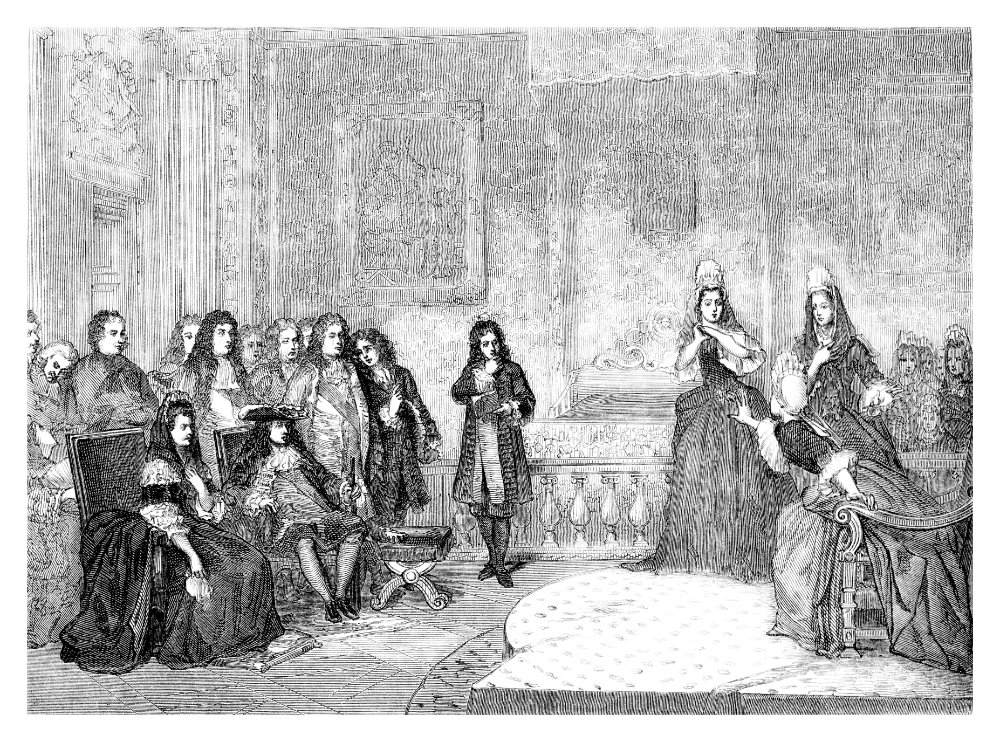
Louis 14 and Mme de Maintenon at Versailles

Stich, Abbildung, engraving, gravure :1863.
Portrait of the french king Louis XIV
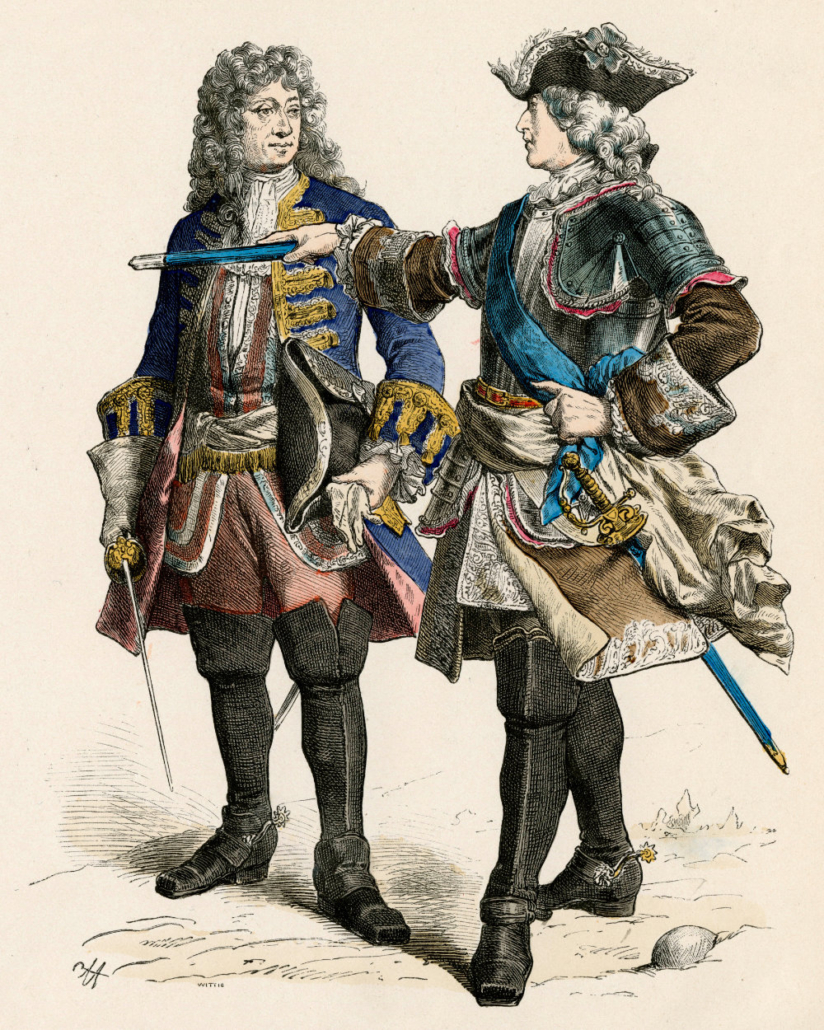
How centuries-old codes still shape modern life
French etiquette has evolved, but its spirit remains deeply embedded in daily interactions. Modern French manners are not about stiffness; they are about respect, clarity, and boundaries.
The unwritten rules include:
• Greet first, always
A simple “Bonjour” acknowledges the other person’s existence.
Skipping it feels dismissive.
• Respect personal space
No forced smiles, no unnecessary small talk, no touching strangers.
• Formality equals respect
Using vous, speaking calmly, controlling one’s gestures these are signs of dignity.
• Directness is honesty, not rudeness
Clarity is preferred over excessive politeness.
• Politeness is discreet, not exuberant
A small smile, a soft “merci”, a respectful silence carry more weight than loud friendliness.
• Emotional reserve protects intimacy
Warmth comes later, once trust is earned and then it is sincere and deep.
Paris vs. the Rest of France
Parisian etiquette is sharper because of:
• high population density,
• crowded public transport,
• long commutes,
• a fast-paced lifestyle,
• multicultural neighborhoods,
• and strong respect for privacy.
• Outside Paris, interactions are often slower, more open, and more relaxed.
• Understanding this geographic nuance helps prevent stereotypes.



The Paradox of French Politeness
French behavior is full of beautiful contradictions:
Like in any large city, there is a wide range of personalities. Some people are very warm and welcoming, while others may seem distant. Travelers should remember that stereotypes do not reflect the full reality, and being respectful and culturally aware usually leads to positive experiences.
It is for this reason that we try to observe and understand different cultures, starting with:
In France, politeness is expressed through formality, distance, and precise social rituals. Saying bonjour before any conversation, using s’il vous plaît, merci, and au revoir, keeping a neutral facial expression, and respecting personal space are fundamental signs of courtesy. The French believe that public behavior should be controlled and calm, emotions handled privately, and familiarity reserved for close relationships. Visitors who expect smiles and spontaneous conversation often misinterpret this reserve as coldness, while the French themselves see it as a respectful and dignified way to interact with others.
Visitors from English-speaking countries often arrive with a different model of politeness. In the United States, the United Kingdom, Canada, or Australia, warmth, visible friendliness, and verbal positivity are essential elements of social interaction. Smiling at strangers, greeting shopkeepers enthusiastically, chatting with people in line, or making friendly comments in the elevator are all considered polite and pleasant gestures. When these travelers meet French people who keep a neutral expression and do not engage in spontaneous small talk, they may think Parisians are unfriendly. Yet the French simply don’t express politeness through overt friendliness. Anglo-Saxons generally perceive the French as serious, formal, and sometimes hard to approach.
In return, French people usually see Anglo-Saxons as charmingly open, enthusiastic, respectful, and very generous, especially in restaurants. They admire this positivity, even if it occasionally feels excessive or surprising by French standards.
Across many Asian cultures such as Japan, Korea, China, Vietnam, and Thailand, politeness is based on harmony, discretion, and avoidance of conflict. Speaking softly, waiting one’s turn, bowing slightly, and showing respect for elders are daily habits rooted in deep cultural traditions. Visitors from these cultures often value subtle communication, indirect expressions, and emotional control. When confronted with French directness, open disagreement, passionate debate, and clear verbal expression, they can feel destabilized or even offended. Many Asian visitors describe the French as abrupt or overly frank because they come from societies where silence or indirect phrasing is the polite way to show respect.
French people, on the other hand, tend to see Asian visitors as impeccably polite, elegant, calm, and thoughtful. They appreciate their discretion and good manners, which align with French standards of courtesy, even if the communication styles differ.
In many African cultures : Senegal, Côte d’Ivoire, Nigeria, Morocco, Ethiopia, or South Africa, politeness is closely tied to hospitality, expressive warmth, and community relationships. Greetings are long, sincere, and filled with questions about family and well-being. Emotional expressiveness, laughter, and vivid gestures are signs of good manners. When visitors from these cultures arrive in Paris, the short greetings, restrained expressions, and limited public interaction can feel cold or impersonal. They may perceive French people as distant or uninterested. Conversely, French people often see African visitors as warm, social, respectful, joyful, and full of life. They admire their openness and generosity, although the intensity of their expressiveness sometimes contrasts with the French preference for calm public behavior.
In Latin American societies such as Brazil, Mexico, Colombia, Chile, or Argentina, politeness is expressed through emotional warmth, human closeness, and lively conversation. People naturally smile, touch lightly during conversation, and use expressive tones to show friendliness and respect. When arriving in Paris, visitors accustomed to this tactile, participatory communication style may find the French somewhat rigid, overly formal, or too private. They sometimes think the French are cold because they do not immediately reciprocate this emotional warmth.
Yet French people generally view Latin Americans as joyful, friendly, incredibly kind, and full of charm. They appreciate their spontaneity and enthusiasm, even if it differs from traditional French reserve.
In Middle Eastern cultures, including Lebanon, Turkey, Egypt, Saudi Arabia, and the Emirates, politeness is shaped by generosity, honor, and strong hospitality traditions. Welcoming guests, offering food and assistance, and showing genuine interest in others are expressions of respect. Conversations are warm, expressive, personal, and full of attention. When encountering the French style, Middle Eastern visitors may find the public restraint and emotional neutrality surprising. They sometimes perceive French people as overly distant. From the French perspective, visitors from Middle Eastern countries are admired for their elegance, good manners, refined hospitality, and deep sense of respect.
However, the French can be surprised by how quickly emotional intimacy is offered, as they typically reserve such warmth for close relationships.
French behavior itself is a mixture that often puzzles foreigners: polite but not overly sweet, direct without intending aggression, quiet and reserved with strangers yet lively and humorous with friends, self-controlled in public but expressive in private, respectful of rules yet very individualistic in opinions. Many visitors struggle at first because the French way of expressing respect does not match what they consider friendly behavior.
Similarly, the French can misread others’ warmth, energy, or discretion without understanding the cultural values behind them.
Ultimately, each culture defines politeness according to its own priorities. In many Asian cultures, politeness means not disturbing others. In African cultures, it means building connection. In Latin America, it means showing warmth. In the Middle East, it means offering hospitality. In Anglo-Saxon countries, it means being friendly and positive. In France, it means respecting formality, distance, and proper etiquette. None of these approaches is superior; they simply reflect different interpretations of respect, harmony, and social intelligence. Recognizing these differences allows travelers to understand Parisians more clearly, and allows Parisians to better appreciate the diversity of visitors who walk their streets.
Same Word, Different Meaning
Each culture defines politeness differently:
- In Asia → Not disturbing others
- In Africa → Creating human connection
- In Anglo-Saxon countries → Showing friendliness
- In France → Respecting formality and distance
None of these are wrong, they simply reflect different priorities and social values.
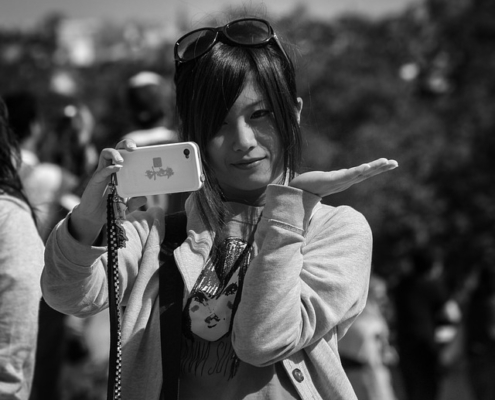
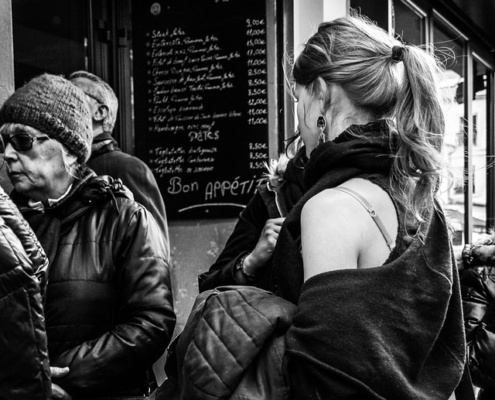
After discussing cultural etiquette in France and the misunderstandings that often arise from different social expectations, it becomes essential to look more closely at the broader context that shapes the behavior of Parisians toward tourists. Paris may appear enchanting and effortless to those who visit it for a few days, but for the people who live there, it is a demanding and fast-paced environment. The daily rhythm is intense, with crowded public transport, long commutes, narrow sidewalks, heavy noise, and constant movement that leave very little space for spontaneity or slow interactions. When a Parisian seems hurried or distant, it rarely comes from unwillingness to help; rather, it reflects a lifestyle governed by pressure, fatigue, and the need to move quickly through a very dense city.
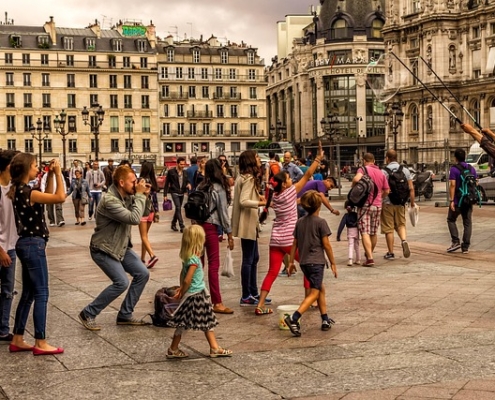
This constant pressure also influences the way Parisians relate to their public spaces. Streets and sidewalks that appear charming to tourists are, for locals, the paths they must navigate efficiently every day. When visitors stop suddenly for photos, block entrances, or gather in large groups, it disrupts the fragile flow of daily life. These moments, repeated hundreds of times, can breed impatience not directed at any individual tourist, but at the situation itself. Understanding this helps soften the disappointment a visitor might feel when faced with what appears to be a brusque reaction.
Language adds another layer to this dynamic. Although many Parisians understand English, not everyone feels confident speaking it. Some fear making mistakes or being misunderstood, which can lead to brief, hesitant, or overly simple responses. What may be interpreted as coldness is often just insecurity or discomfort. When tourists make even a small effort to use basic French words, the tension immediately decreases, and the conversation becomes friendlier. A simple “bonjour,” “excuse me,” or “thank you” can change the entire atmosphere of an exchange.
It is also important to remember that Paris is not uniform. Highly touristic areas are saturated with visitors year-round, which naturally wears down the patience of residents who must share their living space with constant crowds. But outside these zones, in quieter neighborhoods, people tend to be more relaxed, more open, and more willing to engage in conversation. This shows that the “typical Parisian attitude” is not the personality of a whole population, but rather the reaction of individuals managing their daily lives in very busy spaces.
The historical evolution of Paris has contributed to this complex relationship between locals and visitors. For decades, the city has been one of the most visited places in the world, and residents have continuously adapted to the presence of millions of travelers from every continent. This coexistence has shaped not only the economy but also the social fabric of Paris. While some Parisians feel overwhelmed by tourism, others take pride in sharing their knowledge, their stories, and the unique character of their city. The same person who seems distant on the metro may become talkative, warm, and passionate when speaking about the best bakery in the neighborhood, a hidden garden, or a favorite museum.
Social media has also transformed the way tourists interact with Paris. Spots once unknown have become viral destinations, sometimes disturbing the daily lives of residents who suddenly find crowds under their windows. Yet these platforms also reveal a vibrant, creative Paris that continues to inspire the world. Parisians navigate this new reality with a mix of pride and protectiveness, balancing openness with the need to preserve their personal space.
Ultimately, the way Parisians treat tourists is often shaped by small, fleeting moments an exchanged glance, a polite greeting, a respectful approach. Most Parisians are willing to help when approached kindly and when they feel that their city is treated with consideration. They appreciate visitors who are curious about their way of life, who respect the rhythm of the city, and who engage with sincerity. Beneath the surface, they hold a genuine affection for the culture they share and a quiet satisfaction in helping others discover it.
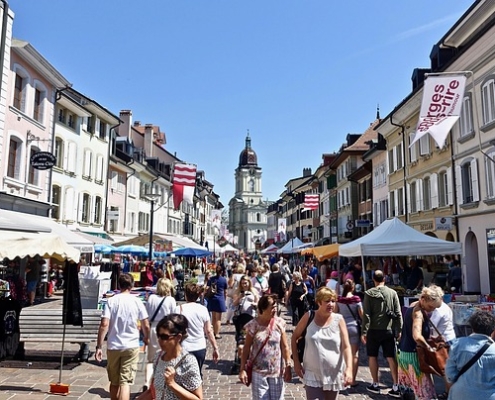
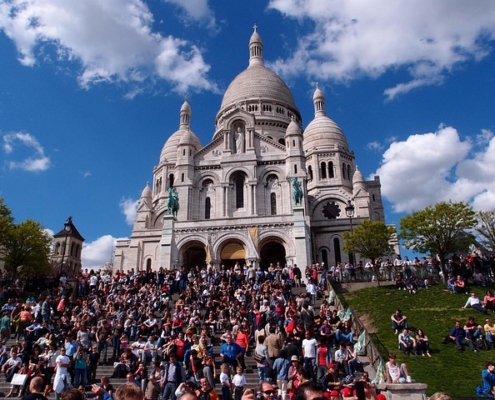
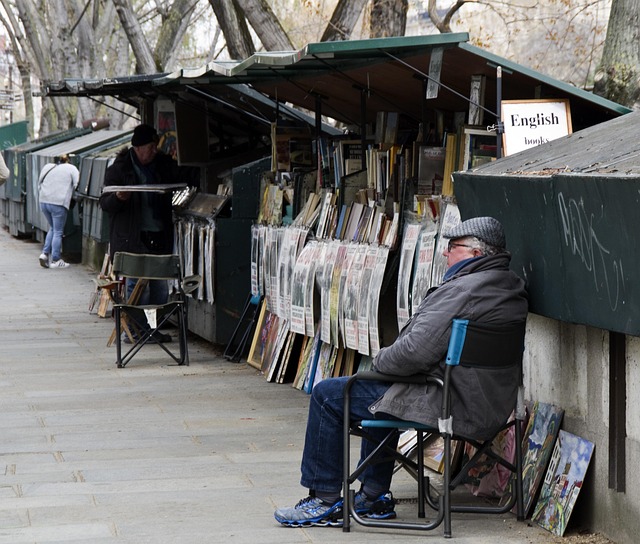
In the end, understanding Parisians simply means seeing beyond the first impression. They are often labeled as rude, yet this perception rarely reflects who they truly are. Behind a quick step or a direct tone are people carrying the weight of a city that moves at full speed, yet remains deeply loved. What may seem like impatience is often just a response to the pressures of daily life rather than a lack of kindness. Visitors often find that once the initial distance softens, Parisians reveal generosity, humor, and a sincere pride in showing their world to others. Misinterpretations arise less from unkindness than from different habits, rhythms, and expectations. When both sides make a small effort to meet each other halfway, the encounter becomes warmer, more meaningful, and more authentic. Paris is not only a place to admire; it is a place to understand a city shaped by its people as much as by its monuments. Those who take the time to observe, to listen, and to approach Parisians with simple respect discover a rich human dimension that enriches the entire journey. And perhaps the true charm of Paris lies right there: in the quiet, genuine connections that form when locals and travelers begin to see each other not as strangers, but as people sharing the same moment in one extraordinary city.

Texte : GV Paris Webservices – Photos : Adobe stock / Pixabay
RECOMMENDED BY