
Please note that all tips, observations, and cultural insights shared here reflect personal experience and general guidance. They do not represent every Parisian or every situation. These suggestions are meant to help travelers, not to generalize or speak on behalf of the entire population.
Paris Travel Rules and Essential Legal Requirements

If You Are From a Visa-Waiver Country (Short Stays)
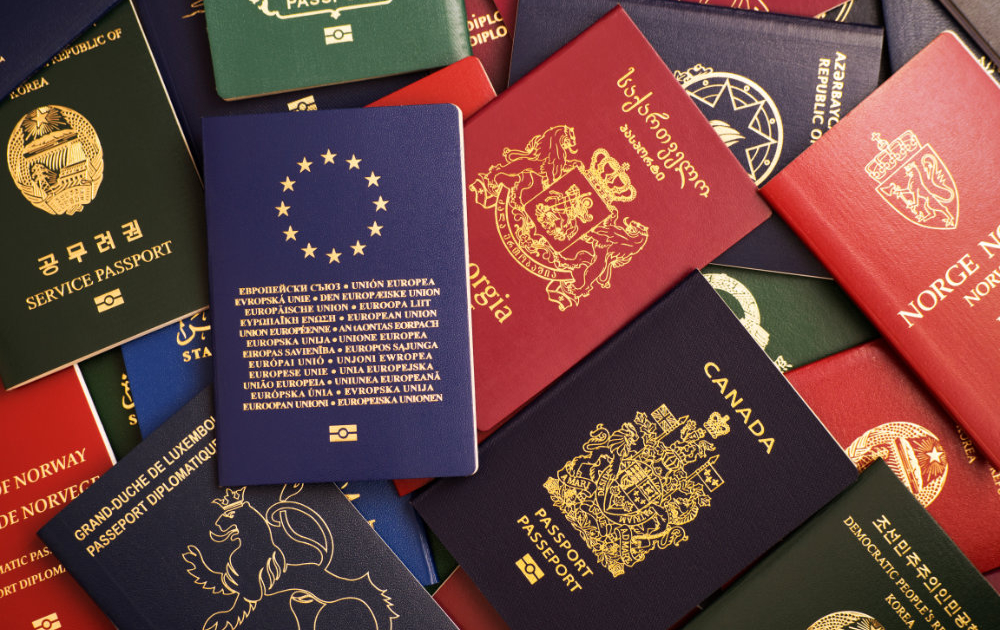
Citizens of many countries can enter France without a visa for tourism stays of up to 90 days within a 180-day period.
Visa-Free Countries (no visa required for stays up to 90 days)
United States, Canada, United Kingdom, Australia, New Zealand, Japan, South Korea, Singapore, Malaysia, Brazil, Argentina, Mexico, Chile, Israel, Taiwan, Hong Kong (SAR), United Arab Emirates, Qatar, Saudi Arabia.
These travelers simply need:
- A passport valid for at least 3 months beyond their stay
- Proof of accommodation
- Financial means
- A return or onward ticket
- A passport valid for at least 3 months after your stay
- Proof of accommodation (hotel booking or host invitation)
- Travel insurance covering medical emergencies (mandatory for visa applicants)
- Proof of funds (bank statements, payslips)
- A return or onward ticket
Countries That Do Require a Visa to Visit France
If you are from one of the countries below, you must apply for a Schengen Visa before traveling to France:
Visa-Required Countries
India, China, Philippines, Thailand, Indonesia, Vietnam, Nigeria, South Africa, Kenya, Pakistan, Bangladesh, Sri Lanka, Morocco, Algeria, Tunisia, Egypt, Turkey (for tourism), Russia.
These travelers must apply at a French consulate or through VFS/TLS contact and provide:
- Passport
- Application form
- Travel insurance (€30,000 minimum coverage)
- Proof of accommodation
- Proof of funds
- Travel itinerary
Travel Insurance — Why You Should Have It
While not mandatory for all visitors, travel insurance is strongly recommended when visiting Paris. France has excellent healthcare, but medical costs for tourists can be high, especially for emergencies, hospital stays, or medical evacuation.
If you require a Schengen visa, travel insurance is mandatory. Your policy must cover at least €30,000 in medical expenses, including emergency treatment and repatriation.
A good travel insurance plan should include:
- Emergency medical care
- Hospitalization coverage
- Medical evacuation
- Trip cancellation or interruption
- Lost or delayed baggage
- Theft or loss of belongings
- 24/7 assistance
Having insurance gives you peace of mind, financial protection, and immediate access to care if anything unexpected happens during your stay in Paris.
Important Advice for Travelers Renting Apartments in Paris
When renting an apartment in Paris, always make sure the property is fully legal and properly insured. A responsible owner should have rental liability insurance, which covers accidents or incidents that might occur inside the apartment during your stay. If a host cannot confirm that they have this insurance, it’s a sign to be cautious — because in France, the owner is legally responsible for ensuring the safety and compliance of the property.
Also, be very careful when renting from unknown websites, private Facebook groups, or individuals who are not registered on reputable platforms. At the moment, there are many scams targeting tourists, especially listings that ask for a cash deposit or a large upfront payment before you even see the apartment. If something feels unclear, rushed, or “too good to be true,” it probably is.
To protect yourself:
- Book through well-known platforms with verified reviews.
- Never pay in cash before arrival.
- Request the official Paris registration number for short-term rentals.
- Ask the owner to confirm that the property is insured for guests.
Staying vigilant will ensure you have a safe, comfortable, and stress-free experience in your Paris rental.

Hotel Check-In Requirements in Paris — What Travelers Should Know
Checking into a hotel in Paris is simple, but a few documents are required by law. Here’s what you need for a smooth arrival:
1. Passport (Required for All Non-EU Travelers)
You must present your original passport at check-in.
Hotels must verify your identity for security reasons.
Important: Hotels Cannot Keep Your Passport
They may check or scan it, but they must return it immediately. Hotels cannot:
- Hold your passport during your stay
- Keep it as a guarantee
- Refuse check-in if you want to keep it
Store your passport safely in your room.
2. EU/EEA/Swiss Travelers: A national ID card or passport is accepted.
3. Visa (If Applicable): Hotels may briefly check or note your Schengen visa number.
4. Reservation Confirmation: Show your digital booking, printed confirmation, or reservation number.
5. Payment Method: A credit card and pre-authorization are usually required; some hotels accept debit cards.
6. Contact Information: You may need to provide your home address, phone number, and email.
7. “Fiche d’Hôtel” Form: Non-EU guests must complete a short registration form with personal details (name, birthdate, nationality, passport number, address).

When entering or leaving France, travelers must follow several important customs rules. Here is a clear summary of the most relevant regulations.
- Cash Regulations
You may travel with any amount of cash, but if you are carrying €10,000 or more (or equivalent in any currency), you must declare it to French customs.
Failure to declare can result in confiscation and fines.
- Alcohol Allowances
You may bring into France (for personal use):
- 4 litersof still wine
- 16 litersof beer
- 1 literof spirits over 22% alcohol, or
- 2 litersof alcohol under 22%
Amounts above this must be declared.
- Tobacco Allowances
Duty-free allowances:
- 200 cigarettes, or
- 100 cigarillos, or
- 50 cigars, or
- 250 gof loose tobacco
Anything more must be declared.
- Drugs and Illegal Substances
France has a strict zero-tolerance policy toward illegal drugs.
This applies to:
- Cannabis / marijuana (including small amounts)
- Hashish
- Cocaine
- Ecstasy / MDMA
- Heroin
- Methamphetamine
- LSD and hallucinogens
- Any synthetic or controlled narcotic substance
Cannabis is illegal in France, even for personal use. This includes:
- Bringing it into the country
- Buying it
- Carrying it
- Consuming it
- Transporting CBD products that contain THC
Penalties can include:
- Fines
- Arrest
- Criminal charges
- Immediate confiscation
- Possible deportation for foreign nationals
French police and customs are very strict, especially in airports, train stations, and major tourist zones.
- Knives and Sharp Objects
In France, any knife with a blade longer than 10 cm is considered a weapon.
Carrying such a knife in public is prohibited.
Customs may seize:
- Fixed-blade knives
- Folding knives with locking systems
- Hunting or tactical knives
- Any knife viewed as dangerous
If you buy kitchen knives in Paris, pack them securely in checked luggage, never in your carry-on.
- Other Prohibited or Restricted Items
- Firearms and ammunition(require special authorization)
- Pepper spray, tasers, batons
- Counterfeit fashion items(fake designer goods)
- Protected animals, plants, and certain foods
If in doubt, declare the item.
- When Leaving France
The same rules apply when departing:
- Declare cash €10,000 or more
- Declare large quantities of alcohol or tobacco
- Do not travel with drugs, knives, or prohibited items
Paris is a beautiful and welcoming city, but like anywhere, there are a few rules to follow so everyone can enjoy its charm. Here’s a friendly guide to public behavior in the City of Light — with a touch of humor where it helps!
Smoking Regulations
France takes public health seriously, and strict anti-smoking rules apply both indoors and outdoors.
You cannot smoke in:
· Restaurants, cafés, bars
· Metro, buses, trams, and stations
· Parks, gardens, and children’s play areas
· Beaches (seasonal)
· Areas around schools
· Sports facilities, libraries, pools
· Bus stops and covered waiting areas
Fine: Around €68 if caught smoking where you shouldn’t.

Alcohol Regulations
You can usually enjoy a drink in public — think a quiet picnic with wine along the Seine — but some areas restrict alcohol consumption, especially at night.
· Look for signs that say “Consommation d’alcool interdite.”
· Public intoxication is not tolerated and can lead to fines or a night in a sobering facility (charged to you).
Paris loves wine, but it also loves civility. Cheers, responsibly!
Littering Rules
Paris is proud of its beauty… and wants to keep it that way.
· Throwing trash on the street, even a cigarette butt, is illegal.
· Always use the many public bins around the city.
· Fines start at €68 and can climb higher.
A clean Paris is a happy Paris!
And Now… The Truth About Dog Poop
Let’s be honest:
Despite being a glamorous and elegant capital, Paris still has occasional “landmines” on the sidewalks.
Yes… dog poop happens.
Not everywhere — and the city works hard to clean it — but enough that locals jokingly call it “les pièges parisiens”(the Parisian traps).
So here’s your friendly advice:
· Watch your step, especially in older neighborhoods.
· Take a moment to look down every now and then — it could save your shoes.
· Consider it part of the “authentic Parisian experience,” with a touch of comedy.
And for dog owners: picking up after your pet is the law, and fines can reach €68 to €135 — so Parisians have every reason to be responsible.
Friendly Tips from a Local Guide
· When in doubt, look for signs — Paris loves rules.
· A small foldable tote bag is perfect for storing trash until you find a bin.
· Stay alert on sidewalks… especially with the “Parisian surprises.”
· Respectful behavior always brings smiles from locals.
Getting around Paris is easy and enjoyable — whether you’re taking the metro, renting a bike, calling a taxi, or driving a car. But like any big city, there are rules that visitors should know to avoid fines and travel smoothly. Here is your friendly guide to transportation laws in Paris.
1. Public Transport Rules
Tickets Must Always Be Validated
Whether you’re using the metro, bus, tram, or RER trains, you must:
· Buy a valid ticket (paper ticket or Navigo pass)
· Validate it before entering the platform or boarding
Ticket inspectors (called contrôleurs) are very active, especially in tourist areas.
Penalty for traveling without a valid ticket:
Fines start at €50 and can be higher if unpaid on the spot.
Keep Your Ticket Until the End of Your Journey
You may need it to:
· Exit certain stations
· Show it during inspections
Throwing it away early can lead to confusion or fines.

2. Cycling Rules (Vélib’, E-bikes, and Personal Bikes)
Paris is a very bike-friendly city — but there are laws you must respect.
Helmets
· Not required for adults, but strongly recommended, especially on busy streets.
· Mandatory for children under 12, even if riding as a passenger.
Where You Can Ride
You must use:
· Bike lanes when available
· The street (if no bike lane exists)
Sidewalks are strictly forbidden for cycling, except for very young children.
Parking Your Bike
· Use bike racks or designated areas.
· Do not block sidewalks, doorways, or access ramps.
Improper parking can lead to:
· Fines
· Rental bike charges
3. Electric Scooters (Trottinettes Électriques)
Scooters are popular, but the rules are strict:
· Must be ridden on bike lanes, not sidewalks
· Maximum speed: 25 km/h
· Only one rider per scooter (no passengers!)
· You must park in designated areas
Fines:
· Up to €135 for riding on sidewalks
· €49 for improper parking
4. Driving in Paris
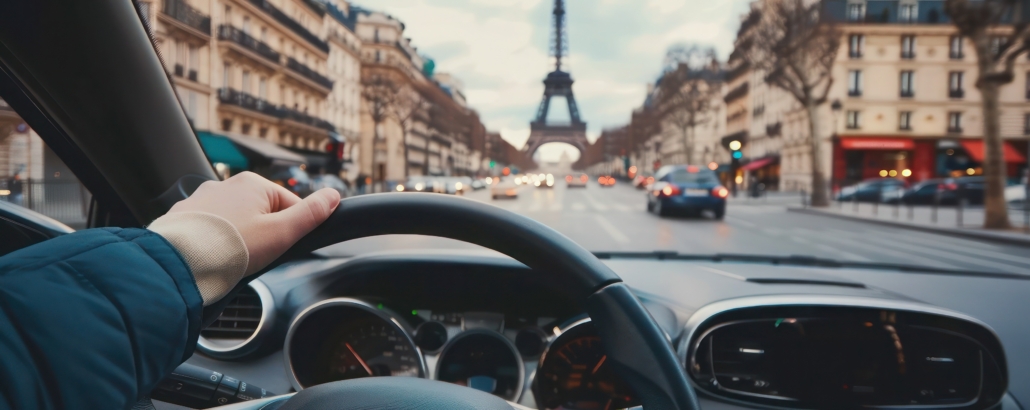
Driving can be challenging due to traffic, narrow streets, and regulations. If you plan to rent a car, here is what you must know:
Driver’s License
· EU licenses are accepted.
· Non-EU travelers may need an International Driving Permit (IDP) in addition to their national license.
Alcohol Limits
France has a strict limit:
· 0.05% blood alcohol concentration (lower than in many countries)
Even one or two glasses of wine can put you over the limit. When in doubt: don’t drink and drive.
Headphones, Earbuds, and Headsets Are Illegal While Driving
This includes:
· Music headphones
· Bluetooth earpieces
· Phone headsets
Using them can lead to:
A €135 fine + potential license penalty.
Seatbelts Are Mandatory
For all passengers, front and back.
Speed Limits in Paris
· 50 km/h in most streets
· 30 km/h zones are increasingly common
· Highways/peripheral roads: usually 70 km/h
Always check the signs — Paris changes regulations frequently.
5. Taxis and Ride-Hailing Services
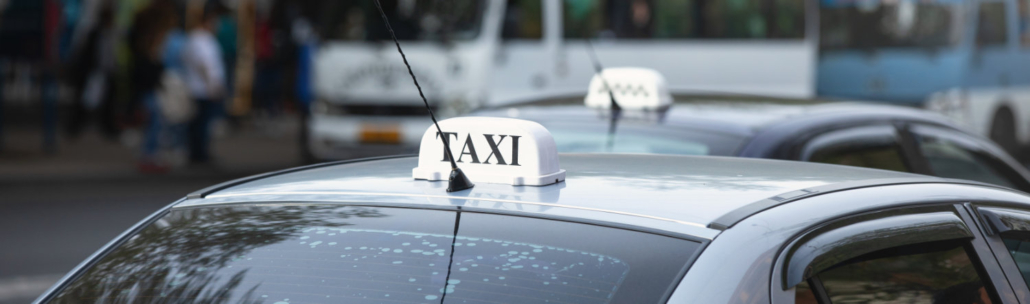
· Only official taxis may pick you up at taxi stands.
· The light on top indicates availability (green = free, red = occupied).
· Uber and other ride-hailing apps operate legally in Paris.
Drivers cannot charge more than the regulated fare.
Tipping
Not mandatory, but rounding up is appreciated.
6. Pedestrian Rules
Paris is a very walkable city — but stay alert!
· Always cross at zebra crossings.
· Pedestrians must obey traffic lights (red man = stop).
· Electric scooters and bikes may pass close to sidewalks — stay aware.
Crossing outside designated areas can sometimes result in small fines, though rare.
Friendly Tips for Smooth Travel
· Public transport is safe, but beware of pickpockets on busy lines.
· Avoid the metro during rush hour if you travel with luggage.
· Always keep your transport card in a safe, accessible place.
If lost, station staff are usually helpful and often speak English
1. Mandatory Documents
To enter France with a pet, you must have:
- Microchip identification (ISO 11784/11785 standard)
- Proof of valid rabies vaccination
- Official veterinary health certificate
EU Travelers:
→ Your pet must have an EU Pet Passport.
Non-EU Travelers:
→ You need an Animal Health Certificate (AHC) issued within 10 days before travel.
2. Rabies Vaccination Rules
- Pet must be at least 12 weeks old at vaccination.
- Vaccine must be given after the microchip.
- A 21-day waiting period is required after the first vaccination.
Travel may be refused if the rabies vaccine is invalid.
3. For Travelers from High-Risk Countries
Pets coming from countries with high rabies risk may need:
- A rabies antibody titer test
- Done 30 days after vaccination
- Then wait 3 months before entering France
Check your country’s classification before travel.
4. Airline Requirements
Airlines often have additional rules:
- Advance pet reservation required
- Approved carrier (soft bag for cabin, hard crate for cargo)
- Weight limits for cabin travel
- Health certificate specific to the airline
Always check with your airline at least 1 month before your flight.
5. Pets on Trains in France (SNCF)
- Small pets (< 6 kg): Allowed in a carrier, small fee
- Larger dogs: Must have a ticket, leash, and muzzle
- Service animals: Travel free and without restrictions

6. Staying in Hotels or Rentals
Not all accommodations accept pets. Check for:
- Pet-friendly policy
- Extra fees or cleaning charges
- House rules (size or number of pets allowed)
Always inform your host in advance.
7. Walking Your Dog in Paris
- Dogs must be on a leash in most areas
- Many parks have dedicated dog zones
- Owners must pick up after their dogs (fines from €68)
- Large or categorized dogs may require a muzzle
8. Emergency Vet Care
Paris has many excellent vet clinics, including 24/7 options.
In emergencies, your hotel reception can help you find the nearest veterinarian.
Quick Summary (One-Look Guide)
- Microchip
- Rabies vaccine
- Health certificate (AHC or EU Pet Passport)
- Airline approval
- Rules for pets on trains
- Confirm pet-friendly accommodation
- Leash, poop bags, muzzle if required
- Know nearest vet clinic
Texte : Paris Webservices – Photos : Adobe stock
RECOMMENDED BY